Author

Clare Louise

Browsing

If you want to remain competitive and project a positive image of social responsibility these days, you have to attempt to make your business more green. Companies with an eye on being greener are perceived by customers as being more worthy of their business. So how does this play out in commercial linens?

Most of the country’s big players in linens and uniforms are attempting to be greener in everything they do. The benefits of doing so go well beyond just projecting a positive public image. Thinking greener is also helping commercial laundries save money and protect the local environment at the same time.

According to Salt Lake City-based Alsco, the three most common ways linen and uniform providers are attempting to be greener are as follows:

1. Greener Cleaning Solutions

A good place to start is with a commercial laundry’s choice of cleaning solutions. We hesitate to use the word ‘chemicals’ inasmuch as it creates images of unsafe solutions that are bad for both the environment and the linens they clean. Green cleaning solutions are both eco-friendly and gentler on linens and uniforms.

Green cleaning solutions might use enzymes to break up dirt and debris and soften fabrics. They might include detergents and stain removers made from plant-based materials instead of synthetic chemicals. The one thing they all have in common is that they are friendlier to the environment. Most of them are also greener to manufacture as well. That makes them doubly beneficial from an environmental standpoint.

2. Water Use and Recycling

It should be obvious that commercial laundries use a tremendous amount of water to do what they do. In fact, it is easy to make the case that water is the single biggest resource used by facilities that process commercial linens and uniforms. As such, companies that want to be greener strive to waste as little water as possible and recycle what they can.

For example, technology now exists that allows commercial laundries to treat wastewater with ozone to destroy bacteria without using chlorine bleach. This allows for recycling is much as 90% of all gray water produced by a facility. That kind of recycling not only saves water and money, but it also prevents polluted gray water from ending up back in streams, rivers, and ponds as well.

Recycling water and reducing waste also reduces the stress on municipal water systems that may be struggling to keep up with demand. It reduces stress on wastewater treatment facilities that might otherwise be overwhelmed by the amount of wastewater produced at local laundry facilities.

3. Alternative Power Sources

The first two things discussed in this post relate directly to the tangible materials companies like Alsco use to clean their linens and uniforms. But what about the power their plants consume? Next to water, the power used to drive laundry equipment is the second largest expense for commercial laundries.

A new trend in the industry is to look for alternative power sources. For example, installing a solar thermal hot water system on the roof of a laundry facility can supplement the use of grid energy by producing some of the hot water needed for processing. Photovoltaic solar solutions and turbines are being used to generate the electricity needed to run machinery.

The commercial laundry business is a dirty business by design. However, more and more companies are looking at ways to be greener. They are looking for greener cleaning solutions; they are figuring out new ways to recycle water and reduce water waste; they are embracing alternative power sources for running their plants.

When designing the interior of your house, it is important to pay special attention to lights because the correct lighting can completely change the outlook of a house. Interior designers plan the position of lights to bring out the best features of a room. However, not many people can afford to spend a fortune on professional services but that doesn’t mean they have to live in a drab and dull house forever. You can transform your house by doing some DIY projects.

Lightning was very expensive in the past as conventional bulbs consumed too much energy but nowadays, majority of the people use LED lighting because they are inexpensive as well as consume very little energy. You don’t have to worry about paying hundreds of dollars as electricity bills if you use LED lights. That’s why the following lighting projects are perfect for you if you want to improve the interior of your house at a low price. You can do these projects yourself or hire a professional company by clicking on these LED strip lights Link or LED lighting link . These projects use LED strip lights so consider them carefully before buying.

Under Kitchen Cabinets

It is important to have proper lighting in the kitchen because people spend most of their time in this room. Kitchen is the heart of any home and should have a warm and inviting atmosphere. Setting up LED strip lights under the kitchen cabinets can accomplish this effect. LED strip lights are customizable and easy to install. You can cut up the strip of the light according to the length of the cabinets and attach this light strip with glue. Make sure the LED strip light has golden tones for warm effects. You can also set up LED lights over and in the cabinet for increased effects.

Accent Lighting in Bedrooms

LED strip lights are the best way to add accents in your bedroom. The most prominent way is to set up LED lights around the bed itself. You can choose funky colors for a fun outlook and neutral tones for a more trendy look. LED strip lights are customizable so you can easily change them according to the effect you want. You can also add accents in your bedroom by setting up LED lights around the vanity table. Additional lights increases the visibility as well which is helpful while applying makeup.

Entertainment Center

You can also use LED strip lights to hype up your entertainment. Creating an entertainment center where you can watch movies or paly games to your heart’s content is a better idea than simply turning on the TV and boringly lazing around on the sofa. You can set up warm or neon colored LED lights around the TV screen to create special effects which will allow you to enjoy yourself to the fullest. Installing LED lights in the corners of the room is also a good way of adding accents for horror movies when the room is completely dark.

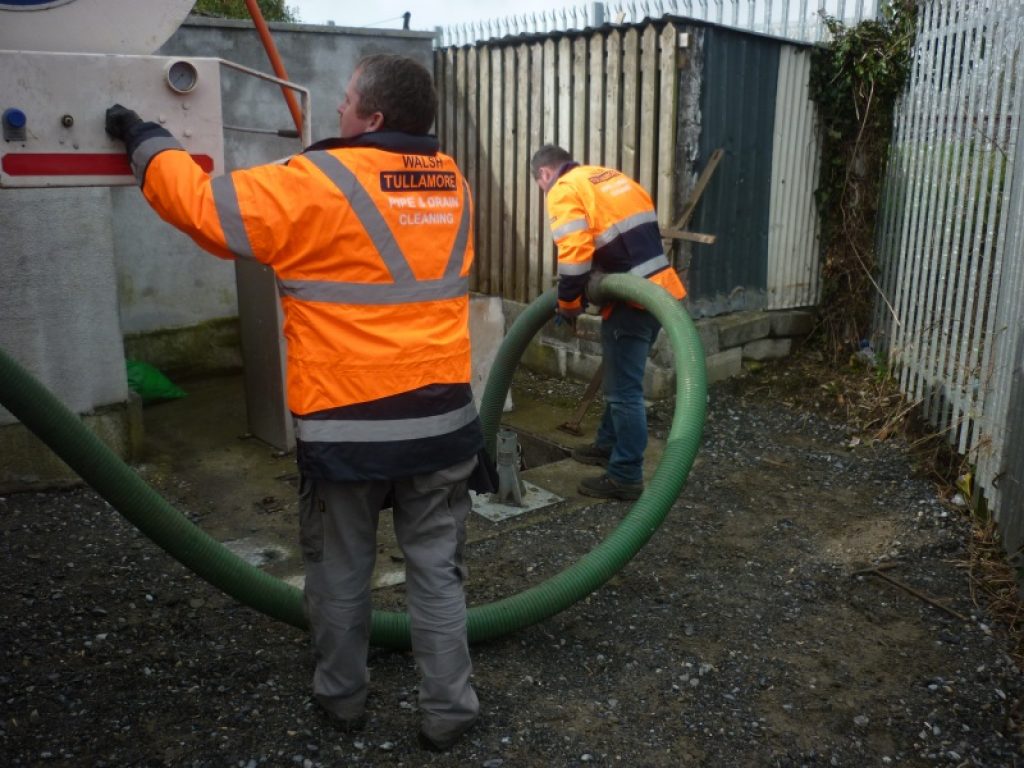
Enclosed storage tanks accumulate dirt and debris at a high rate, which reduces their efficiency. Essentially tank cleaning first involves removing liquid residues in the tank followed by cleaning up the sludges using brushes and finally draining the residue. Oates Environmental offers comprehensive tank cleaning services that are focused on restoring the tank to its original condition. At Oates Environmental, we offer tank cleaning services for oil tanks, fuel tanks, and water tanks.

Here’s why you should trust us to clean your tank;

Professionalism and experience

Tank cleaning is a hazardous process that requires experienced personnel to accomplish. At Oates Environmental we have a team of experts who always ensure that the safety protocols are adhered to. This guarantees the quality of our tank cleaning services.

Top notch Equipment

Tank cleaning requires sophisticated equipment for effective cleaning. These equipment include gas detection monitors which are used to measure the hazardous content in the tank’s airspace. Also, high-pressure jets are utilised to remove any hazardous waste that may have accumulated in the tank. For accumulated grease, degreasers are used to break down the oil and grease confined in the tank. At Oates Environmental we have qualified personnel who operate this equipment to ensure your tank is cleaned effectively.

Safer approach to cleaning

At Oates Environmental, we offer a safe approach to tank cleaning for redundant tanks, fuel tanks, and heating oil tanks. Our operations are fully risk assessed, and our experienced management team prepares the method statements. This ensures that we deliver on our promise of quality and reliability when it comes to tank cleaning.

Vapor degreasing is a sustainable cleaning method for your oil tanks. 

Benefits of tank cleaning

Kills hazardous bacteria and pathogens

This primarily applies to water tanks. Water is an essential part of our lives; hence how we store it, should be an essential consideration. In most homes today, tanks are used for residential water storage. However, many homeowners do not pay attention to the cleanliness of the tanks they store their water in.

Bolsters efficiency

A tank’s efficiency is defined by its ability to maintain the quality of the liquid it stores. As such, accumulated residue and sludge significantly hamper the ability of the tank to maintain fluid quality. For oil tanks, for example, accumulated oil sludge reduces the quality of the oil being stored in the tank. Tank cleaning ensures such sludge is taken care of and the tank performs at its optimal capacity.

Lengthens tank’s durability

Accumulated sludge and residue shortens the lifetime of a tank significantly. Regular cleaning ensures the tank maintains its original state which lengthens its lifetime.

At Oates Environmental, we take pride in our clients. We have built our reputation on a solid foundation of quality and reliability. You can contact us for excellent tank cleaning services and other bespoke environmental solutions.

When the UK began taking steps to reduce its carbon emissions and to improve the energy efficiency of some of the most poorly rated homes and properties, the government introduced a number of key initiatives.

This included tools for reporting and measurement, such as Energy Performance Certificates (EPCs) and also vehicles for the funding and delivery of energy efficiency measures, including the Energy Company Obligation (ECO) and now defunct Green Deal scheme.

The Energy Company Obligation applies to all large energy providers with over 250,000 domestic customers, or which deliver over 400 gigawatt hours of electricity / 2,000 gigawatt hours of gas.

Under ECO, any qualifying energy supplier is legally obligated to deliver energy efficiency measures to some of the country’s most vulnerable and hard to treat homes.

To promote confidence and ensure the scheme is properly regulated and that measures are delivered correctly, minimum standards must be achieved by all installers before they are allowed to deliver ECO energy efficiency measures.

That’s where PAS 2030 comes in.

What is PAS 2030?

PAS 2030 is an accreditation that contractors need to hold in order to access funding for installing energy efficiency measures. It sets out the requirements that all installers must meet, in order to ensure that works carried out under ECO are completed properly.

PAS 2030 must be attained for the organisation, as well as for each measure that will be installed. It was created by the British Standards Institute and addresses all areas of installation, including: installation controls, equipment, inspections, handover and correction action procedures.

The main requirement of any contractor wishing to become an ECO installer, is that they have a Quality Assurance process in place. This system needs to meet over 30 requirements detailed within the British Standard PAS 2030 document.

Certification

The certification process is split into two main parts:

  • Assessment of systems – This entails a detailed assessment of quality management processes to check that operating processes support the installation of energy efficiency measures via a robust management system, as outlined by the requirements of PAS 2030. This assessment will normally be carried out in the office.
  • Assessment of installed measures – This exercise is to establish whether the installed energy efficiency measures conform to the specification provided and also comply with all relevant building regulations. This assessment will be carried out on site.

Exemptions

To make it easier and faster for installers to gain certification, there are some exemptions in place for organisations that are already registered on the Gas Safe Register (although they will still need to demonstrate a suitable QMS) and which are part of the Microgeneration Certification Scheme.

What type of measures are provided under ECO?

From 1 April 2017, the list of measures covered by ECO includes:

  • Insulation – solid wall, cavity wall, loft
  • Boiler replacements
  • Electric storage heater replacement and repair
  • Heating controls
  • District heating connections
  • Air source heat pumps
  • Ground source heat pumps
  • Biomass boilers
  • Solar PV

For more information about getting accreditation to become an ECO installer, visit the British Standards Institute (BSI) website, or view the comprehensive guidance made available for installers by Ofgem.

As you probably already know, the Paris agreement is supposed to ensure humanity’s victory over climate change. Unfortunately, this is a tremendously complex task, and even our countries’ governments are struggling to make it work. This is why many individuals, as well as civil society, are starting to cooperate on helping our nations’ leaders in completing the task at hand. Fortunately, businesses can do a lot to tip the scale in our favor. Here’s what your business can do to help the Paris agreement!

  1. Help establish a framework for keeping track of emissions

Fighting climate change is something we will be doing for quite some time before we get to see the results. But for governments and businesses to be able to work together, they all need to follow the same procedures. That is why we need to work on a framework for keeping track of emissions.

Related image

  1. Work on solutions for better transitions for the workforce

The changes we want to make to save the planet will have an effect on our lives as individuals. As the industrial sector moves on to a low-carbon economy, the labor market will change drastically. This is why it should be among our top priorities to come up with solutions that will make it easier for individuals.

  1. Help build a culture conscious of climate change

One of your most important goals should be making others aware of the threat posed by climate change. You can do this by incorporating ecological awareness into your brand’s message.

  1. Give rewards for green purchases

Make your consumers want eco-friendly products. The more people don’t want to compromise on this, the more sustainable solutions we will come up with.

  1. Adopt green technologies

It is critical for companies to start adopting green technologies in their production processes to minimize environmental impacts and energy waste. To achieve this goal, they should put in place improvements aimed at increasing energy efficiency and reducing atmospheric emissions of pollutants, which are indeed involved in almost any industrial production process.

Source http://exergy-orc.com/technology/radial-outflow-turbine

Environmental consulting is quite often a kind of compliance consulting

This basically means that environmental advisers work toward making sure that a person or company adheres to a predetermined and acceptable degree of compliance with existing environmental laws.

There are a number of different kinds of advisers but two of the principal groups are the ones which approach the matter from an industrial standpoint and the ones that approach it from an environmentalist perspective.

They wear many different hats and can offer construction services like assessing the hazards brought on by lead or asbestos

In addition to providing diligence reports for customers to assist them around potential sanctions that may result.  A number of them cover a range of areas pertaining to ecological consultancy including waste management.

Very often environmental consultants can find themselves in difficult to deal with situations pertaining to a wide array of different environmental issues.  For example environmental consulting concerning chemical clean-ups, development difficulties, endangered species issues, mining jobs, recycling, wildlife habitats, and so on can and often at times does lead to difficulties for the consultant concerned due in big part to the fiscal implications that may be relevant.

These people are highly trained experts that are hired as advisers regarding various environmental concerns and issues

In the past they have been usually only concerned with issues that centred on fixing or undoing damage that had already been induced but today environmental consulting additionally encompasses new jobs which are still in the planning phases.  This means that prior to a particular construction project getting under way those running the project will hire the consultants in order to safeguard their plans and ensure there will be no issues of an ecological nature upon commencement or completion of the construction.

Usually the law demands that clinical trials be conducted

Those involved in construction for example completely understand that the help of the environmental advisers are essential should they desire to ensure that there will not be any problems arising further on down the line for themselves, their shareholders, the local wildlife, or even the residents in the area they are working in.  The studies which are required may not signify these issues that may develop in the future and so hiring the professionals is a means to safeguard themselves from potential issues.

Listed here are a few of the basic dilemmas that Environmental Consultants would operate toward detecting and resolving whether land erosion may occur through the wanton destruction or removal of plant, water-logging that may occur if construction is performed near wetlands, dangers pertaining to aquifer, natural drainage, and water courses, and issues like subsidence that might lead to the elimination of trees in the region.

The lives of one household in addition to the lives of an whole community can literally lie at the hands of their ecological continuous and consequently this is certainly not a career option to be contemplated lightly.  Unfortunately greed and corruption are part of this world we live in and sadly some are not as reliable as others which mean that not only the environment can endure long-term or irreversible harm but lives can be endangered too.


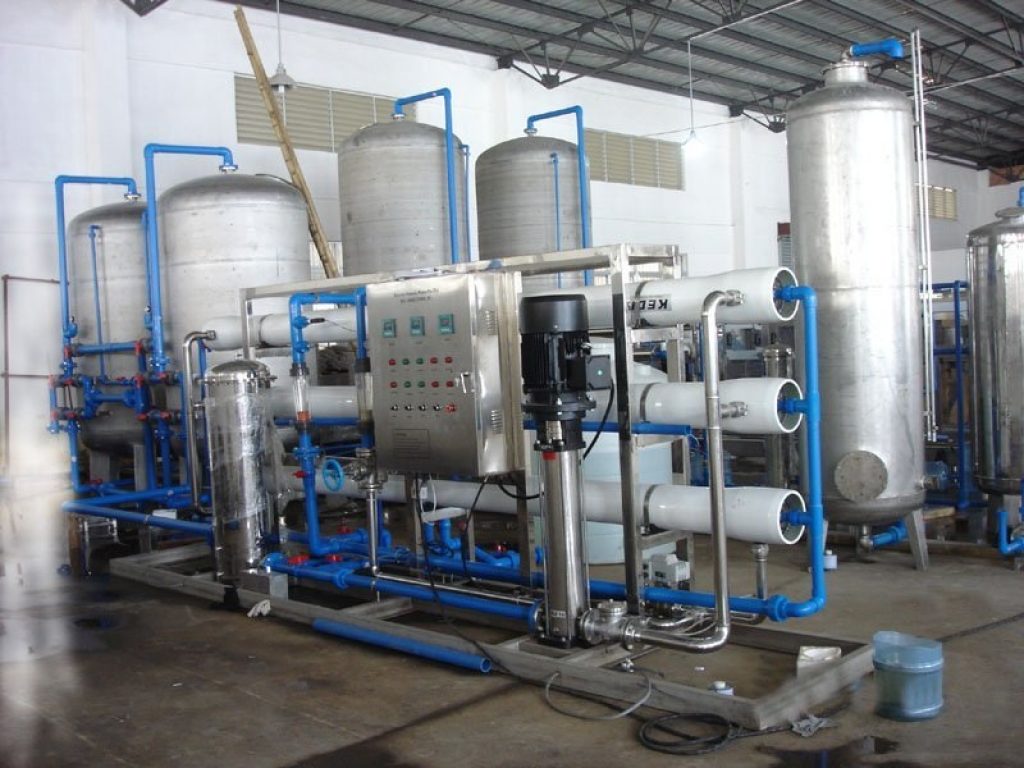
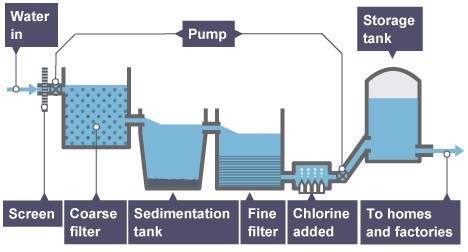
When it comes to water purification, there are a number of water purification chemicals that are used in wastewater filtration as well as for water purification.  Some of these chemicals include:

Defoamers and antifoamers which are used to control excess foam production in various manufacturing and processing plants. These are also used in wastewater filtration to control foaming of effluent and wastewater. Other applications include cooling systems, fermenting and distillation processes, steam generation, sugar manufacturing, food processing, plastic and adhesives manufacturing, paper production and various others. These chemicals can generally be purchased in a non food grade and food grade versions.

Disinfectants and biocides are especially important in wastewater filtration systems. These water purification chemicals are used to eliminate or control the microbiological activity in the water. To achieve the exact balance necessary, specific biocides are used. Various industries make use of disinfectants and biocides sin various ways such as wastewater filtration, environmental hygiene, disinfection, cleaning, process water treatments and more.

Water purification chemicals used for boiler water are used to ensure maximum efficiency of the boilers as well as steam production where required. These special water purification chemicals have a range of functions including the inhibition of corrosion and scale formation, improves alkalinity, treats condensate lines, conditions sludge and much more.

Closed circuit water systems employ water purification chemicals to improve the efficiency of a closed circuit system which can include the use of seawater, chillers, heaters, low pressure systems and other systems which require the system to remain closed for optimum functioning. These systems use water purification chemicals to remove contaminants, inhibit corrosion, antifoulants, scale inhibitors, de-icing and anti-freeze products as well as chemicals for frost or extreme heat protection.

Cooling Towers often employ the use of specific water purification chemicals to enhance the cleaning process, disinfecting and removing inorganic scale as well as specific biocides where required. Other chemicals may include biodispersants, water softeners, water hardeners as well as corrosion and scale inhibitors.

Some of the treatments even employ the use of micro-organisms which are biodegradable, safe and completely non-hazardous to people or the environment. These are often used in wastewater filtration systems, aquaculture as well as some industrial and manufacturing plants.  Other chemicals you may come across in water treatments are acid and alkalinity builders, de-chlorinators, heavy metal precipitants, fuel-oil conditioners and more. Potable water treatments can include scale and corrosion inhibitors, biocides, odour removal, disinfectants and so forth to ensure the water is safe to drink.

Reverse osmosis is used to remove salts from water and purify it, either for drinking or to return to a specific system. These can include membrane cleaners, scale inhibitors and removers, detergents, cleaners, corrosion inhibitors, biocides, de-chlorinators, antifoulants and flocculants. This process is designed to assist with efficiency in operations of various industrial and manufacturing companies as well as reduce the number of issues usually encountered due to corrosion, lime scale and so forth. There are many other chemicals and processes used in order to keep systems functional or improve the overall quality of water in a specific system.