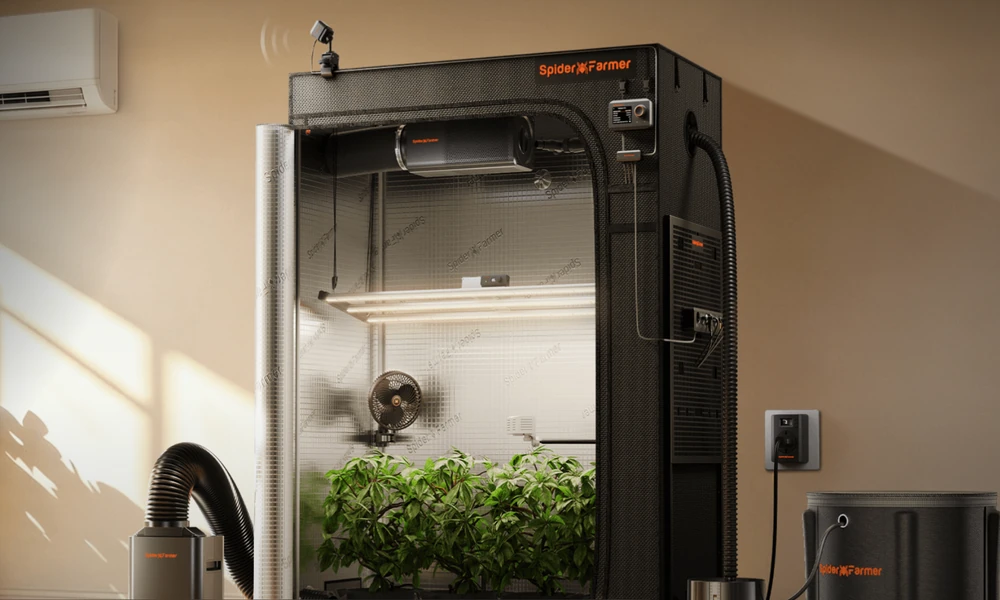
Stagnation and excessive heat in a grow tent can lead to numerous problems, including poor plant growth, mold development, and reduced yields. Without proper airflow, heat and humidity can build up quickly, creating an environment that is unfavorable for healthy plants. These conditions can also attract pests and encourage the growth of harmful pathogens. To combat these issues, a well-designed ventilation system is essential. Proper ventilation ensures a stable temperature, adequate carbon dioxide levels, and the removal of excess moisture. With efficient airflow management, your plants can thrive. In the next section, we will explore grow tent ventilation systems in detail.
Breathe Easy: Tackling Common Grow Tent Air Issues Head-On
When it comes to maintaining an ideal environment inside your grow tent, air circulation is a critical factor. Without proper ventilation, several air-related issues can hinder the growth and health of your plants. Here’s how an efficient grow tent ventilation system can help you solve these problems:
- Beat the Heat: Heat buildup is a common challenge, especially with powerful grow lights in small spaces. A good ventilation system removes excess heat, protecting your plants from high temperatures that could slow their growth or cause permanent damage.
- Control Humidity Levels: Too much humidity creates a breeding ground for mold, mildew, and root rot. With proper airflow, you can eliminate excessive moisture, ensuring the humidity stays within the perfect range for your plants.
- Prevent Air Stagnation: Lack of air movement can lead to stagnant conditions, which are detrimental to your plants. Properly placed fans and intake systems ensure a continuous flow of fresh air, keeping your plants healthier and more resilient.
- Boost Carbon Dioxide Intake: Plants rely on CO2 for photosynthesis. A well-ventilated grow tent continuously brings in fresh air rich in carbon dioxide, enhancing plant growth and overall yield.
- Minimize Pest and Pathogen Risks: Many pests and diseases thrive in poorly ventilated environments. Improving air circulation reduces their chances of settling in your grow tent, keeping your crops protected and thriving.
Address these challenges with a reliable ventilation system, and watch your plants flourish in a balanced and healthy environment!
The Spider Farmer grow tent ventilation system provides an efficient and dependable solution for maintaining optimal airflow and temperature control. Designed with powerful inline fans and high-quality carbon filters, it ensures continuous fresh air circulation while effectively eliminating odors and harmful particles. Its energy-efficient operation supports environmental sustainability without compromising performance. The system is easy to set up and operate, making it ideal for growers of all experience levels. By investing in the Spider Farmer ventilation system, you are providing the necessary conditions for your plants to thrive, ensuring healthier growth and maximizing yield in a well-balanced grow tent environment.
Cultivate Excellence, Harvest Success
Achieving optimal growth is all about creating the perfect balance for your plants, and every detail counts. From maintaining fresh air to ensuring healthy conditions, the right tools transform challenges into opportunities for thriving growth. Whether you’re a beginner or a seasoned grower, investing in reliable solutions makes all the difference. By focusing on quality and sustainability, you empower your plants and maximize results with ease. Discover how the right support system elevates your growing experience. Trust the Spider Farmer ventilation system to be the key to your garden’s success.