Nobody wakes up one day and becomes a fully sustainable household overnight. It’s usually more of a slow slide, one reusable tote bag at a time, until suddenly you’re the person at the party correcting people on which bin the pizza box goes in. If you’re looking to speed that process up a little, here are ten actual, doable ways to go greener without becoming insufferable about it.
1. Swap Out Your Light Bulbs
This one’s almost embarrassingly easy, which is exactly why it’s first. LED bulbs use a fraction of the energy that old incandescent bulbs do, and they last so much longer that you’ll genuinely forget where you put the receipt.
Old incandescents waste most of their energy as heat, not light, which is a weird thing to accept about something whose entire job is to produce light. LEDs fix that math almost completely.
2. Get Serious About Composting
Food waste rotting in a landfill produces methane, which is a much more aggressive greenhouse gas than the carbon dioxide most people worry about. Composting your food scraps instead keeps that waste out of the landfill entirely and turns it into something your garden will actually thank you for.
Yes, it can smell a little weird at first. No, your neighbors will not stage an intervention over a compost bin, probably.
3. Rethink How You Get Around
Cars are convenient, sure, but they’re also one of the biggest sources of personal carbon emissions most people rack up without thinking about it. Walking, biking, carpooling, or using public transit even a couple times a week can chip away at that number more than people expect.
You don’t need to sell your car and become a full-time cyclist wearing spandex you didn’t own last month. Small changes here genuinely add up over a year.
4. Fix the Leaks You’ve Been Ignoring
That dripping faucet you’ve mentally filed under “eventually” is wasting more water than you’d think, sometimes thousands of gallons a year from a single slow drip. Multiply that across a whole house with a few leaky fixtures and it adds up to a genuinely significant amount of wasted water.
Fixing leaks is usually cheap, fast, and immediately satisfying in a way that very few home repairs actually are.
5. Bring in Solar Panels
This is probably the biggest single move on this list, and also the one with the most upfront planning involved, so it earns its own real estate here.
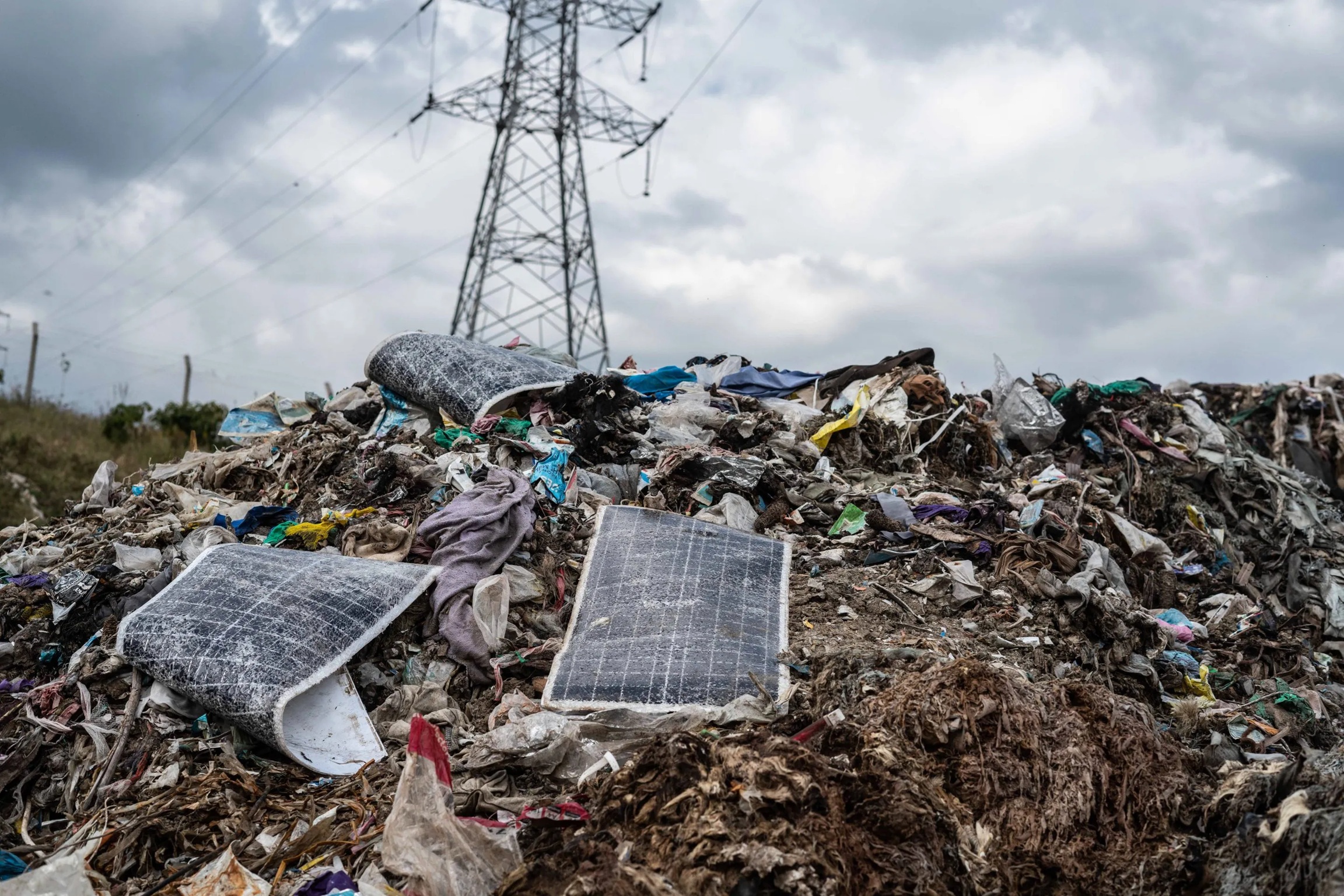
Solar panels convert sunlight directly into electricity for your home, cutting your reliance on the grid and, depending on your local utility setup, potentially sending excess power back for credit. It’s one of the few home upgrades that pays for itself over time instead of just costing money indefinitely, which is a nice change of pace from most home improvement projects.
Pairing your system with solar panel batteries takes things a step further. Instead of losing unused solar energy the moment the sun goes down, solar panel batteries store that extra power so you can actually use it at night or during a cloudy stretch instead of pulling straight from the grid again. It’s basically the difference between spending your paycheck the second it hits your account and actually having some savings to fall back on.
Not every home is a perfect fit for solar right away, thanks to roof angle, shading, or local permitting quirks, but for a lot of households, solar panels end up being one of the more impactful changes on this entire list, both for the planet and eventually for your wallet.
6. Ditch Single-Use Plastic Where You Can
Plastic bags, disposable water bottles, single-use utensils, all of it adds up fast and most of it isn’t getting recycled the way people assume it is. Reusable versions of all these things exist, are widely available, and honestly tend to just work better anyway.
Nobody’s saying go cold turkey overnight. Even swapping a few habits gradually makes a real dent.
7. Wash Clothes in Cold Water
This one feels almost too simple to count, but it genuinely matters. Most of the energy used in a load of laundry goes toward heating the water, not actually running the machine. Cold water cleans clothes just as well for most loads, saves energy, and is gentler on fabric, which means your clothes last longer too.
It’s rare that a green choice is also just objectively easier, but here we are.
8. Buy Less, But Buy Better
Fast fashion and disposable household goods are convenient, cheap, and quietly terrible for the environment once you actually trace the full lifecycle of how they’re made and discarded. Buying fewer, higher quality items that actually last tends to reduce waste dramatically over time, even though it can feel like the pricier option upfront.
Your future self, standing in a closet that isn’t falling apart at the seams, will thank you.
9. Get Smarter About Your Thermostat
Heating and cooling account for a huge chunk of most household energy use, and a lot of that gets wasted heating or cooling an empty house all day. A programmable or smart thermostat adjusts automatically based on your actual schedule, which means you’re not paying to keep your living room at a cozy 72 degrees while everyone’s at work or school.
Even manually adjusting it by a few degrees when you leave the house makes a noticeable difference over a year, and your energy bill will back that up.
10. Support Local and Seasonal Food
Food that travels thousands of miles to reach your plate carries a lot of hidden carbon cost in transportation alone, not to mention refrigeration along the way. Buying local and seasonal produce cuts a lot of that out, and as a bonus, it usually tastes better, because it hasn’t spent two weeks in a truck pretending to still be fresh.
Farmers markets exist for exactly this reason, and most of them are more fun than a grocery store anyway, assuming you enjoy mild small talk about heirloom tomatoes.
Going greener doesn’t require flipping your entire life upside down overnight. Most of these changes work fine as gradual habits stacked on top of each other, and a few of them, like fixing that leak or switching to cold water washes, cost you nothing but a little attention. Solar panels take more planning and investment than swapping a light bulb, sure, but even that comes down to a series of manageable decisions rather than one giant leap. Pick two or three from this list to start, and the rest tend to follow once you get a taste of watching your utility bill actually go down for once.