
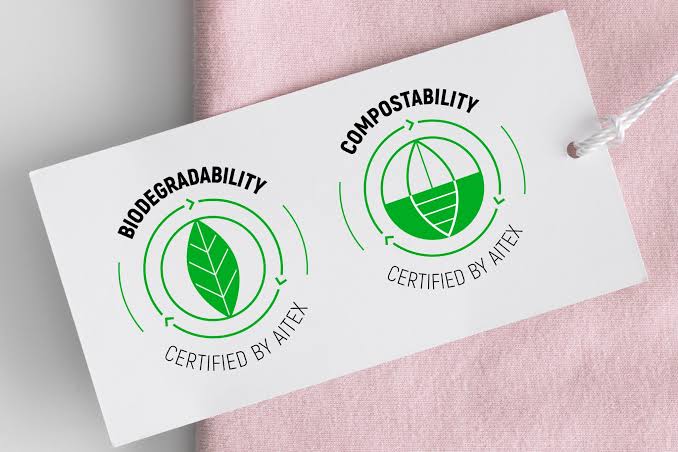
Sustainability has become an important consideration for businesses, manufacturers, and consumers worldwide. As environmental awareness increases, companies are introducing products marketed as biodegradable, compostable, and environmentally friendly. However, making these claims is not enough to establish environmental responsibility. Businesses must provide scientific evidence demonstrating that their products meet recognized biodegradability standards.
This growing demand for transparency has increased the importance of Biodegradability Certification Testing Services, which help manufacturers evaluate how materials break down under specific environmental conditions. Through standardized testing and reliable laboratory analysis, businesses can support their environmental claims, strengthen consumer confidence, and demonstrate a commitment to responsible product development.
The Importance of Biodegradability Certification
According to the definition, biodegradability means that a substance can be broken down by microorganisms like bacteria and fungi. However, not every material labeled biodegradable decomposes at the same rate or under the same environmental conditions. Factors such as temperature, moisture, oxygen availability, and microbial activity influence the degradation process.
Biodegradability certification helps establish whether products meet specific testing requirements and environmental standards. Rather than relying on general marketing statements, manufacturers can use laboratory findings to demonstrate how their materials behave under controlled conditions.
Certification requirements vary depending on the product category, intended disposal environment, and applicable standards. This makes selecting appropriate testing methods essential for obtaining meaningful results.
Moving Beyond Unverified Environmental Claims
Greenwashing has become a growing concern as businesses compete to attract environmentally conscious consumers. Products may carry sustainability labels without sufficient scientific evidence supporting their environmental benefits. Such practices can mislead customers and weaken trust in legitimate sustainability initiatives.
Independent biodegradability testing provides a more transparent approach to environmental marketing. By evaluating materials through established scientific procedures, laboratories help companies determine whether their claims are supported by measurable results.
For manufacturers, investing in Biodegradability Certification Testing Services can also reduce the risk of making unsupported environmental statements. Reliable testing documentation allows businesses to communicate product characteristics more accurately while demonstrating accountability to customers, regulators, and commercial partners.
The Role of Laboratory Testing in Certification
A big part of figuring out biodegradability is testing in a lab. Depending on the material being looked at and the conditions in the area where it will be used or thrown away, different methods are used.
For example, OECD 301B testing evaluates the ready biodegradability of chemical substances by measuring carbon dioxide evolution during a controlled aerobic test. Other standardized methods assess biodegradation in soil, aquatic environments, or industrial composting conditions.
These evaluations generate scientific data that manufacturers can use when pursuing applicable certifications or substantiating environmental claims.
Importantly, laboratory testing and certification are not always identical processes. Testing provides evidence of material performance, while certification generally involves determining whether that evidence satisfies the requirements of a particular certification program.
Supporting Regulatory Compliance and Market Credibility
Environmental regulations and marketing requirements are encouraging businesses to provide stronger evidence for sustainability claims. Manufacturers operating across different markets may encounter varying expectations regarding biodegradable materials, product labeling, and environmental documentation.
Professional testing helps businesses understand whether their products meet relevant technical criteria before entering new markets. It can also identify potential limitations in material performance, allowing manufacturers to improve formulations or reconsider environmental claims.
Beyond compliance, verified biodegradability information can strengthen relationships with distributors, retailers, and customers who increasingly prioritize transparency when evaluating products.
Encouraging Innovation in Sustainable Product Development
Biodegradability testing is not limited to evaluating finished products. It can also support research and development by helping manufacturers compare materials, assess formulations, and identify opportunities for environmental improvement.
For companies developing packaging, detergents, chemicals, and other products, scientific biodegradation data can guide decisions throughout the development process.
By incorporating testing into product innovation, businesses can pursue sustainability objectives while maintaining product functionality, quality, and performance.
Conclusion
As sustainability expectations continue to evolve, environmental claims must be supported by credible scientific evidence. Biodegradability certification provides an important pathway for manufacturers seeking to demonstrate environmental responsibility and build lasting consumer trust.
Through reliable laboratory testing, transparent documentation, and appropriate certification processes, businesses can move beyond promotional sustainability statements and establish a more measurable approach to environmental performance. Ultimately, scientifically supported claims benefit manufacturers, consumers, and broader efforts toward responsible material management.
