Author

Rose Ruse

Browsing

Trees are a living architecture that reach up to the sky and add another dimension to our everyday world. Their leaves’ changing colours, and even blossom and fruit, mark the seasons’ round: their gentle soughing and rustling in a breeze are sweet music, away from the dull, lifeless groan of traffic. But we need to care for them out of their natural environment, as even a park is a man-made artifice.

Young tree care

Trees reach up into the third dimension to soften and blur the harsh lines of our concrete world. They need help in their early years. They need water, they need some freedom from competing grass and weeds in their immediate vicinity, and they need support and staking to keep their root-ball secure in the ground. Judicious pruning may be needed during their formative years to cut out weak or dead branches and to ensure the tree has a good shape. Landscaping does not stop with planting: ongoing maintenance from a tree services specialist will ensure successful establishment of these living frames to the landscape.

Keeping mature trees healthy

Mature trees have to be safe when in proximity to people. Regular professional surveys should be performed to check for disease, weak or dying wood, and general health; but also for aesthetic considerations to keep balance, proportion, and indeed beauty in the overall landscape. Resulting works need to be undertaken by a professional tree services contractor, with safety being the paramount consideration. Tree surgery can be done in different ways:

  • Pruning and pollarding to cut out excess growth and weak or diseased branches.

  • Crown thinning to allow more light through to ground level and let the wind pass through the tree with less resistance.

  • Crown raising involves cutting lower branches to give better sight lines and again more light under the tree.

  • Crown reduction may be used to reduce the load and stress on a big tree, making it safer, and so that it is proportionate to its surrounding landscape.

  • Felling and replacement: when it becomes necessary because of disease, age, or other factors, a mature tree may need felling. But the adage is that for every tree felled, four should be replanted!

  • Section felling involves cutting down a tree in stages where space is restricted.

Keeping care legal!

Trees can be subject to Tree Preservation Orders (TPOs), or they might be in a Conservation Area. There may need to be consideration of biodiversity factors (for instance, roosting places for bats) and biodiversity initiatives by local councils before tree surgery work can be undertaken. These considerations are best addressed as part of the tree services from a professional contractor.

Community care

Trees are a joy and an amenity for everybody. Engage the local community to monitor and help in the care of your trees.

The need for a reliable energy source that both reduces carbon emissions and provides enough energy for the world’s burgeoning use of electricity, is higher than ever. While solar power and wind power may have seemed like the answer to all of our problems, the fact of the matter is that they just aren’t bearing the energy load as needed. Plus, they are both costly energy systems to implement, with little to offer in return. Although it can be argued that any new energy system will require a large investment upfront, people want to see a return on their investment, sooner rather than later.  

It’s important to note that money isn’t the only important component to providing the world with an innovative energy infrastructure. Being eco-conscious in the way we utilize the heat and power systems we already have in place is crucial to maintaining our way of life now and for future generations. Combined Heat and Power (CHP) or Cogeneration, offers these solutions to both businesses, schools, hospitals and households alike. By employing a system that captures the heat put off from a power source, such as a heat engine or powerstation, CHP essentially provides thermal energy from the otherwise wasted heat, in addition to power or electricity. From this information alone, it’s plain to see that CHP may be one of the more advantageous power systems readily available to us today. This article discusses the many benefits and advantages recovered by using Combined Heat and Power.

CHP is Environmentally Friendly

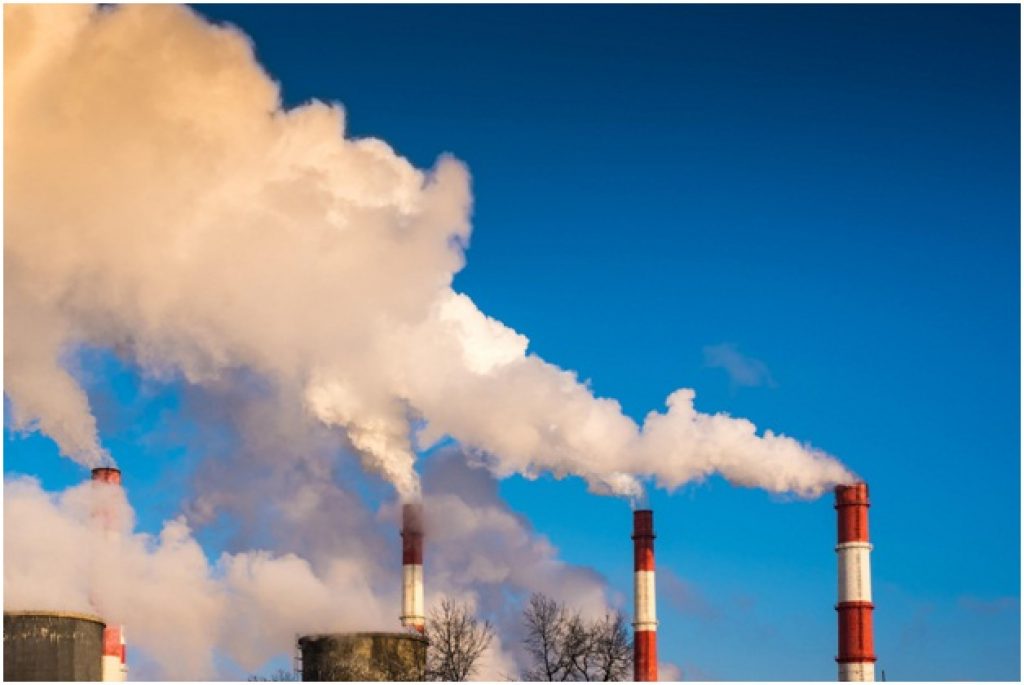
It’s no secret that the increasingly high amounts of pollution being poured out into the atmosphere are causing massive environmental repercussions. According the U.S. Energy Information Administration says here. One of the reasons that electricity production pollution is so high is because heat, along with its pollutants, is simply released into the atmosphere. Armed with this information, scientists and environmental engineers are continually working towards creating technological energy systems that will reduce the overall negative effects of electricity generation.

Cogeneration is able to capture and clean 98% of the heat expelled during energy generation, and used in the project’s hot water system, pools, absorption chillers, snow melt, or any applications.

From a report submitted as coursework for Physics 240 at Stanford University, the following, along with additional benefits were found to be true of CHP:

  • Cogeneration, in cold climates, is among the most cost-beneficial techniques of dropping carbon releases for heating.

Since less fuel is used in the production of each unit of energy output and distribution losses are almost completely avoided, CHP systems nearly cut greenhouse gases and other air pollutants in half when compared to traditional power plants.

CHP Offers Unsurpassed Savings & ROI

One of the biggest determining factors for deciding whether or not a new technology system is right for a business or project is how fast investors can see a return on investment. As previously mentioned, all new energy systems require a substantial investment initially; the difference with CHP is that you see the rewards of your investment faster than any other energy system to date.

Most projects that require thermal energy (heat production) install commercial boilers. While boilers are great sources of heat production, they never really deliver a return on investment and don’t add any additional value to the project as a whole.

Another seemingly great energy solution is solar power. However, solar power is too expensive and has proven to be an unreliable energy production source since the sun is only shining half of the year. This means that of the eighty seven hundred hours in a year, solar instantly loses half of these hours since it can’t produce at night.

Alternatively, CHP offers significant utility savings and a maximum return on investment because it produces savings during all hours of the day and night, regardless of sunlight or wind. A CHP system not only offers an almost immediate return on investment, it also enhances the overall value of the project by contributing utility savings from a reliable heat and power source that is independent of the grid. Since electricity is produced on-site, your electrical bill is reduced by as much as 85%! Additionally, some projects are even able to eliminate the need for third-party electricity, thus enabling them to produce 100% of power and heat on-site. The savings don’t stop there though, if you happen to produce power that exceeds your needs, you can actually sell the electricity back to the utility company, creating another source of income for your business.

Better Reliability With CHP

In addition to increased utility savings and a faster ROI, CHP systems were designed to continue operating even in the event of power outages across the grid. In many places around the world, the current electrical infrastructure is barely keeping up with the energy demands imposed upon it. This can cause occasional blackouts and brownouts and has the potential to interrupt a normal workday. All of us have or know someone that has been sent home from work because of a power outage. With Combined Heat and Power, you don’t have to worry about losing power when the grid goes down. Since CHP is able to generate your projects electrical and thermal needs on-site, this “island mode” allows you to enjoy continuous and consistent power year round. Combined Heat and Power systems are so dependable they yield heat and power over ninety five percent of the time! The current power grid, simply can’t offer that kind of reliability.

Since CHP is an on-site operation it also offers better efficiency than the current energy models at power plants. Power lost over distance is called transmission loss, so the farther your operation is from a power plant the harder and less efficient it is to keep your building powered. You can see what United States Environmental Protection Agency says. So unless, you plan on moving closer to the power plant that powers your building, your best option for a more reliable and efficient power and heat system is to choose an on-site power source, like CHP.

To find out if CHP is a good fit for your project, contact Highland West Energy. We offer a free savings assessment which allows us to show you just how much money you can save, how much the CHP system will produce, and how much it will cost you to get started.


The production of biofuel can have nothing but a positive impact on the environment. This is because biofuel is biodegradable and therefore safe when released into the environment. Biofuel is produced to reduce gas emissions from greenhouses. It also mitigates the effects of global warming which is caused by the use of fossil fuels.

Petroleum-Based Products Are Not Sustainable  

Reliance on petroleum products is not sustainable in the long run. Coal and oil are especially detrimental to the environment for the following reasons:

  • They are both responsible for the release of greenhouse gases when they are burned.
  • The means of collecting them be particularly hazardous.
  • They are both nonrenewable which means they are exhaustible.

A number of countries in the world have seen the necessity of ridding themselves of their reliance on oil and coal. They are doing this by replacing these products with biofuels such as ethanol and biodiesel. Learn more about biofuel by clicking on MBP Solutions Ltd  

Farmers can take to growing energy crops which can be used to generate biofuel. Such crops include:

  • Corn
  • Soy
  • Rapeseed
  • Switchgrass

Biofuels Burn Clean

Biofuels do not produce toxic fumes such as sulfur or aromatics. In addition, there are no unpleasant smells produced such as those associated with synthetic fuels. They produce greenhouse gases but at much reduced levels and they capture carbon.

Consider some of environmental disasters that have happened in the past, like oil spillage in the sea which have caused insurmountable damage to the world’s sea life. There is nothing of the sort to be apprehensive about with biofuels. Corn or soy is highly unlikely to poison the sea.

Is it Possible to Switch to Biofuel Now?

It is not possible to do so right away, but the switch is being made gradually. There are some massive changes that need to be made in farming in order to grow the crops that would facilitate the creation of biofuels. Moreover, there would be the need to use chemical fertilizer extensively in order to grow the required energy crops. This could create problems for water-borne plant and animal species which could be choked by the algae that would grow as a result too much fertilizer.

Uses of Biofuel

Biofuels help to meet the demand for transportation fuel. There are two main components of biofuel: ethanol and biodiesel.

  • Ethanol

This is a renewable fuel that is derived from plant materials which are collectively classified as biomass. Ethanol is an alcohol. It is used together with gasoline as a blending agent to reduce carbon dioxide and increase octane. Other smog-causing elements are also reduced.

E10 is one of the most common blends of ethanol-gasoline which is combined at the ratio of 10% to 90% respectively. Vehicles known as flexible fuel vehicles are designed to run on E85, which is a gasoline-ethanol blend of 51% to 83%. This however, is dependent on the geography and the weather conditions presented by the seasons.

Most ethanol today comes from plant starches and sugars. Scientists are looking into the possibility of developing technology that would facilitate the use of elements like cellulose and non-edible fibrous plants as well.

  • Biodiesel

Biodiesel is a liquid fuel that is derived from renewable materials such as used vegetable oils, new vegetable oils, and animal fats. It is a cleaner-burner that is used in the place of petroleum-based diesel in to fuel compression-ignition engines. It is biodegradable, meaning it is nontoxic and is used as a compression-ignition fuel, like the petroleum-based diesel it replaces.

It can be combined with petroleum diesel in any percentage, but the most common blend is the B20 which contains biodiesel-petroleum diesel in the ratio of 20% to 80% respectively.

Biodiesel is produced by combining vegetable oil, recycled cooking grease, animal fat and alcohol.

The world is moving on from petroleum-based fuel to biodegradable fuel. Now more than ever, the world has recognized the need to use products that will not harm the environment further.

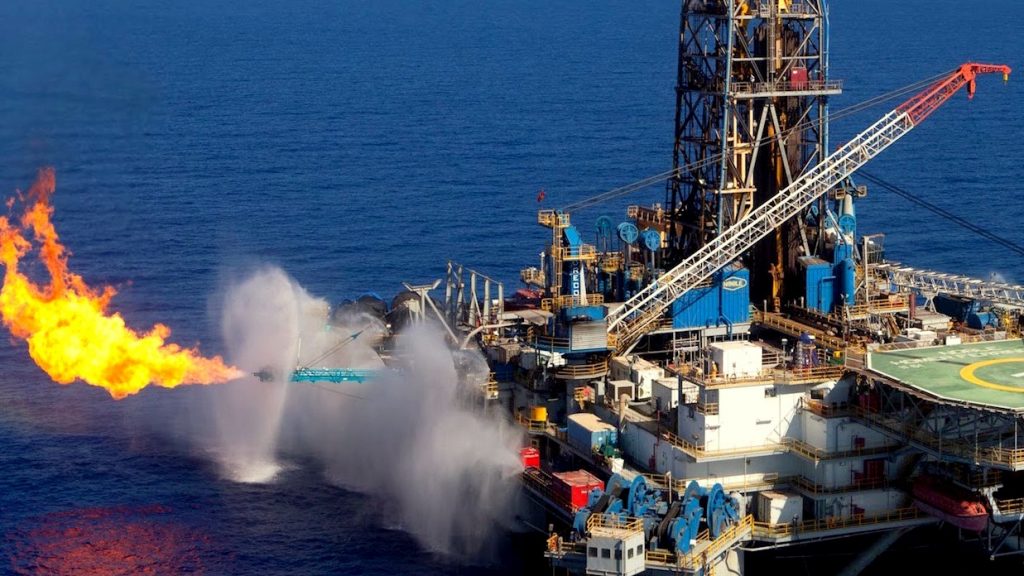
Leviathan Natural Gas Field located off the Israeli coast in the eastern Mediterranean Sea was discovered in 2010’s December. It’s located in the Levantine Basin in 1,645m of water, around 130km west of Haifa, Israel.

When it was found, the Leviathan gas field was the most significant field ever discovered in the sub-explored part of the Levantine Basin, which is spread over about 83,000 km2 of the eastern Mediterranean area.

Geology of Levantine Basin

The geology of Levantine Basin is interesting. This basin was created in many main tectonic stages and the shaping of a big horse and graben system was the result of early Mesozoic rifting. The horst and graben system stretches across the offshore and onshore Levant Basin which is blocked by tertiary post-rift sedimentation.

Reservoirs in the basin prominently consist of Paleogene and Mesozoic sandstones, Cretaceous and Jurassic shelf-margin carbonates and nearshore submarine and marine sandstones.

Leviathan field contains Oligo-Miocene reservoir rocks that are a deep-water fan and slope sandstones wrapped by sedimentary rocks of the mid to late Messinian age and Miocene age salt. Numerous sub-salt Miocene intervals contain the natural gas in the Leviathan gas field.

According to the estimates of the US Geological Survey (USGS), the whole Leviathan Basin has a mean approximation of recoverable oil up to 1.7 billion barrels as well as a mean of recoverable gas up to 122 trillion cubic feet.

Apart from natural gas, the Leviathan field is supposed to consist of 600 million barrels of oil underneath the layer of gas.

Delek Group through its subsidiary Delek Drilling has 45.34% of working interest in the project. The other shareholder is Ratio Oil Exploration that holds 15% of shares, and Noble Energy, that holds 39.66%.

Exploration and Drilling

The commencement of drilling on the Leviathan-1 was done in 2010’s October using the Sedco Express semi-submersible deep-water rig, owned by Transocean. The first stage contained drilling of the well up to a depth of 5,170m. Gas was found in many sub-salt Miocene intervals.

The second stage contained drilling to an additional 2,030m of depth, where it’s expected a yield of natural gas is 25tcf (trillion cubic feet).

Leviathan gas field is supposed to be the biggest accomplishment for Israel in energy independence as well as export.

For the past few years the trucking industry has been heavily criticised for its contribution to global warming via the release of carbon emissions. However, from tech companies to haulage firms themselves have been working together to find solutions to reduce unnecessary carbon emissions.

When we researched actions being taken by various business such as construction and infrastructure, mining firms, quarrying firms, and other businesses involved in the trucking of raw materials, we stumbled across a new ingenious weighing system named “The Load Volume Scanner”.

“The LVS solution supplied globally by a business named Load Scan has been reducing carbon emissions and helping businesses also increase their profit margins”

Find out more about Load Volume Scanners here

The LVS equipment is actively saving the environment by tackling issues within the supply chain that cause trucks to be in use longer than they need to be. The more trucks are put to use, the more carbon emissions are emitted, the more it costs the shipper, and trucks then require maintenance more regularly due to be in use for longer periods of time.  

Two examples of trucks in action when this could have been avoided:

  • Oversupply of materials: Problems such as oversupply of materials can mean trucks need to return to the customer being supplied to pick up the unwanted excess.
  • Undersupply of materials: Undersupply of materials means trucks need to return to the receivers site to deliver more goods.

For some, a simple truck journey to rectify an oversupply or undersupply of material may not seem like a big deal. In fact, if you add up the number of times trucks have to return to the receiver’s site as a direct result of oversupply or undersupply, the carbon emissions that come from these added journeys over the space of year build up to what many environmentalists say is intolerable.

The carbon emission stats in this case could apply to a single firm. However, if we start to add multiple journeys and multiple companies all going through the same process, then what it would be 50 additional journeys per year for a single firm can be up to 1,000 additional journeys per year if we include 20 firms in this figure.

In short, the point is that when you add multiple undersupply and oversupply problems together all from one firm, then add together multiple firms all regularly experiencing the same problem, and you have a severe problem with carbon emissions.  

Accurate Weighing Systems to Avoid Excess or Under Supply

Load Volume Scanners eliminate the need to for businesses to send additional trucks to rectify oversupply or undersupply problems. By using 3D imagining technology to measure the metric weight of the materials on a truck with +/- 1% accuracy. There are no mistakes made by the LV scanners, so the exact measurements can be confirmed and logged. The solution basically means that traditional weighing system should now become a thing of the past as LVS helps firms to not only reduce carbon emissions, but also to save costs.

Monitoring of Materials

Load Volume Scanners scan materials while the truck is moving using live 3D imaging. For firms that work with materials that are subject to moisture release or absorption, the LVS can continuously monitor the gain in loss while the truck is in transit. This allows firms to understand better how much material needs to be loaded so when it arrives at its destination, the correct weight is delivered.

LVS: An Environmental Miracle

The Load Volume Scanner is exactly what the trucking industry has needed for years. It effectively helps businesses advertise the fact they are environmentally conscious thus benefitting their corporate social responsibility campaigns.

The LVS also helps all stakeholders in the business recognise the efforts being made by trucking firms, mines, quarries and construction companies to reduce the amount of carbon emissions being emitted. Finally, with oversupply and undersupply problems resolved by LV systems, business are also increasing their bottom line.

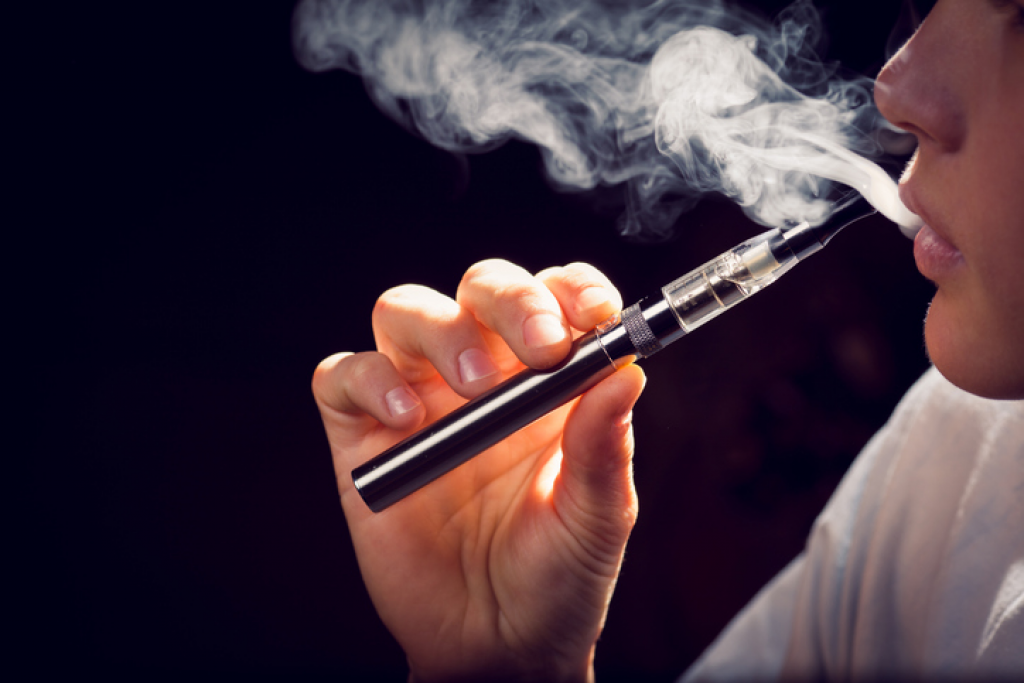
Whenever there is a debate on vaping, the first thing that comes to our mind is whether or not the switch from tobacco cigarettes to e-cigarettes will in any way be good for their health. This makes perfect sense as the main reason which is cited for choosing vaping is because they look forward to quit smoking by taking to vaping. But have you ever considered the impact that tobacco cigarettes have on the planet? Tobacco is as harmful for the body as it is for the environment.

This is why electronic cigarettes are considered as substantially less harmful as compared to analogue cigarettes. Both are different in their characteristics but it is true that they’re perfect for the environment. The environment is our home and just as we take care of our health, we also have to take care of the environment.

How are traditional cigarettes disposed?

Are you aware of the fact that the cigarette butts are the biggest source of litter that is found all over the cities and throughout the world? Cigarette butts end up in landfill sites due to the fact that they contain a material called cellulose acetate. The cigarette butt remains there for 12 long years before they actually break down. Hence, this causes harm to the soil and also to the environment.

The impact of cigarettes on planet Earth

It’s not just the cigarette butts which have a negative impact on the environment. Each time a smoker inhales, the chemicals from the tobacco are drawn towards the filter. There are more than 7000 chemicals in a cigarette. While many contain carcinogens, there are some which are radioactive. Carbon monoxide and methane are particularly not toxic for the humans but they are responsible for the damage that is done to the atmosphere. Hence the tobacco industry is definitely harmful for the environment but vaping isn’t.

Impact of electronic cigarettes vs. traditional cigarettes

It is not just about the absence of harmful toxins which burn in tobacco and which don’t burn in vape pens but there are many more things which make vaping not so meaningful. The more you light up cigarettes, it leads to wastage every time. Apart from the health benefits, the benefits felt by the earth are also significant and tough to overstate. So, for gaining all those positive benefits, it is better to switch from smoking to vaping.

Therefore, if you feel intrigued by the post and you want to get your vape pen, you may go through e-cigarettereviewsuk.co.uk to know more on this before you take the plunge.

Farmers face many different challenges to meet the food demands of the current population: climate change, the increasing costs of agricultural supplies and implements, and the public clamor to find less wasteful ways to grow produce. To answer these, many farmers turn to precision farming, a principle that uses information technology to aid decision making throughout the crop production process. This method allows growers to improve the efficiency of applying inputs like water and fertilizer, increase yields, and minimize runoff and waste.

Despite its many long-term advantages, the adoption rate of precision farming is still below expectations. The process of making a farm more efficient presents plenty of hurdles that growers and other proponents of precision agriculture should overcome. Some of the most pressing issues are:

Cost Challenges

Gathering site-specific data is one of the most integral steps in adopting precision agriculture. This is typically carried out with the use of sophisticated technologies like stationary sensors, which need to be left in a predetermined location to collect data. In order to monitor their fields in real time, farmers have to invest on this type of hardware and set up the system that will collect the data around their farm.

The good news is that there are methods to regularly gather data without needing to allot a large capital on stationary sensors. The use of mobile sensors, or sensors that are attached to vehicles which move around the different sectors of the field, can help growers avert the added cost of buying multiple sensors and laying out the system. At the same time, growers have the option of using agricultural services from companies that have their own set of technologies to survey the land with. Ceres Imaging, a California-based agricultural aerial imagery company, for example, offers subscription plans paid by the acre, per image on a weekly, monthly, or custom basis. This service lets farmers get regular updates on the health and condition of their crops without paying upfront costs or investing in costly hardware or software.

Network Challenges

The wide use of Global Positioning System or GPS is one of the cornerstones of site-specific farm management. In fact, precision farming is also known as satellite farming because of its deep connection to this technology. Still, poor GPS signal reception continues to be a problem in farms with hilly terrains or places that have densely forested areas and lots of tall trees.Poor network performance and slow bandwidth, particularly in extremely rural areas in the US, can also get in the way of constant data transfer and response from the interconnected sensor systems in the fields.

Recently, however, sensor suppliers and agricultural startups are finding ways around connectivity problems by turning to low power wide area networks or LPWANs. In places where cellular data is spotty at best, LPWANs are used to transmit data intermittently over long ranges. Coupled with its low energy consumption and low cost of ownership, this dependable data transfer system is proving to be an attractive option for many growers.

Standardization Issues

Interoperability among different tools and platforms remains a concern, especially now that there are a lot of available OEM agricultural tools geared towards smart farming.The inputs from these components and sensors often come in incompatible file formats and are generated at different times, which lead to a lack of uniformity in the final analysis of the data. At the same time, because these technologies do not follow the same standards, troubleshooting them can be quite frustrating for farmers and technicians alike.

There are, of course, ongoing efforts to address the lack of standardization. Since its formation about a decade ago, the Agricultural Industry Electronics Foundation has actively called for improved compatibility between components from different manufacturers. Today, the group is composed of more than 170 members, including companies and organizations that collaborate to make the standards work. The problem in this area is still a very real issue, but precision agriculture proponents are hoping that farmers will be able to simply plug-and-play components from different manufacturers in the near future.

Adopting precision farming certainly comes with its own set of challenges, particularly during the initial stages of developing the technology. However, since the system has proven itself as an effective method of improving yield, growers are seeing beyond these hurdles and are more eager to try out this method. Regardless if they choose to do this through investing on their own equipment or with the help of agricultural service providers, one thing is sure: farms of all sizes are bound to benefit from this farming method in the long run.

Healthy lawns are quite important to our lifestyles, landscapes and environment. Lawns are always under attack as being a waste of natural resources. When managed with care, there are many benefits of lush green lawns.

Bare lawns

Lawns that are bare are a breeding ground for noxious weeds such as puncturevine. These puncturevines will not move into areas that are grassy where it cannot compete with turf grass. This makes it a very hot and dusty spot in the summer. Following a Frisco, TX fall weed control guide can help homeowners prevent such issues, ensuring a weed-free and healthy lawn year-round

Green grassy areas

Lush green grassy areas make for great outdoor recreation spots that:

  • Create peaceful feelings and improve moods
  • Link us to nature
  • Offer a safe and comfortable place for children to play

Green grassy lawns are a real asset to homes by:

  • Boosting curb appeal
  • Enhancing landscape plantings
  • Increasing property values
  • Beautifying our neighborhoods

Lawn care

Truly beautiful yards are developed by offering the conditions that are best for growing built on a foundation that is solid and inputs such as:

  • Fertilizers
  • Seed
  • Water
  • Control products.

Core aeration is also good for great lawns and can be performed in the fall or spring and improves your lawn’s beauty and health, optimizes root development reducing thatch and associated problems. To learn more about healthy lawn care go to http://lawncareminneapolis.com/.

Fertilization

Fertilization is an essential part of all lawn care plans. A well-fertilized lawn is healthier and greener, as well as far better at stopping weed infestation, disease and drought. As an additional bonus, lawns that are healthy give back to ouratmosphere by making oxygen, cooling the air through weather that is hot, and ensnaring and absorbing urban pollution and dust.

Nutrition

With your lawn’s nutrition in first of importance, Weed Man’s has developed fertilizer that is slow-release granular. Weed Man recommends their proprietary 65% slow-release, granular fertilizer. This is their finest, golf course value mixture feeding the lawn slowly – only when it is needed. This lets grass feed over a prolonged period of about 8 weeks, instead of feasting all at once.

Exclusive blend

This exclusive, high-quality blend is made from ingredients that are naturally-occurring and they aid in plant growth, keep grass green and healthy, assist in root development and increases winter hardiness as well as resistance to drought and disease.


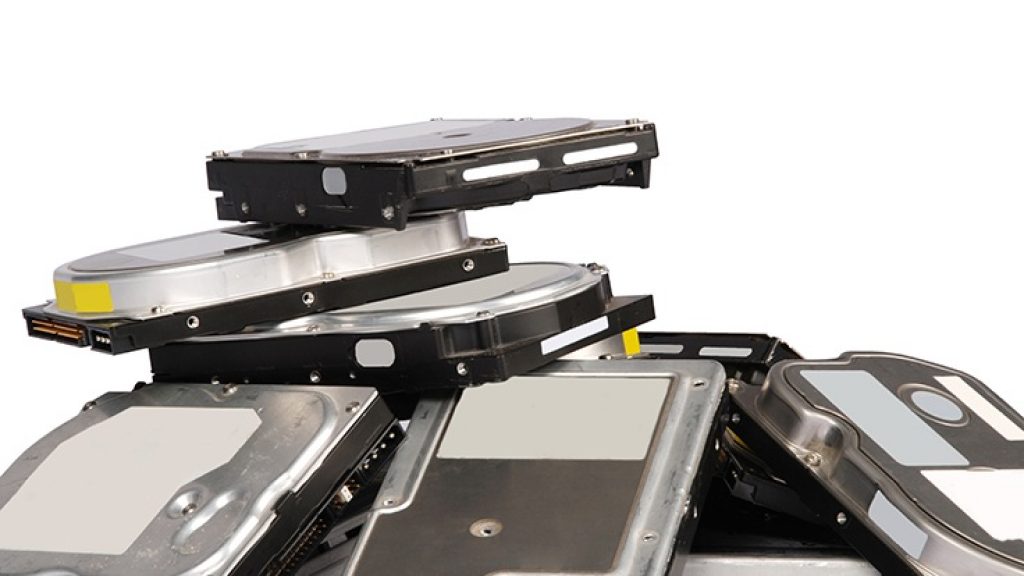
Worldwide, yearly about 49 million statistics lots of electronic waste is produced inning accordance with the United Nations Environmental Program. Three countless status is created in the United States. As a result of these astonishing numbers, it makes electronic recycling all that more vital. By recycling, there are different advantages in business economics and health.

Setting is cleaner

When electronic waste is discarded in landfills or merely the ground it inhabits a great deal of room, which is making uncontaminated land limited. Along with using up a great deal of area it could likewise spread out hazardous contaminants. These contaminants weaken the water and could make the land unsafe. If every person obtains associated with electronics recycling, it will certainly aid to avoid environmental contamination that is triggered by the toxic substances and conserves room in the land fields.

Health and Wellness Benefits

Electronic items are made from various gases and plastics with a few of them being dangerous to your health like lead. If electronic items are discarded these unsafe chemicals are launched right into the air and the ground. When this occurs it presents a significant hazard to individuals’ health that discarded the electronics and for those that live near to the landfills.

Reuse Resources

A computer system includes several points that could be re-utilized with or without demand of handling. Lots of computer business has their very own recycling centers below they get rid of electronics. The product that recycles the components that are multiple-use does not need to make once again so this conserves power, sources and time.

Aids to avoid misuse

After electronic recycling the electronic waste is after that most likely to an establishing nation that is bad so they could discover economical labor there. Individuals there are made to utilize their bare hands to break down the things, which reveal them to dangerous chemicals

Economic advantages

When everybody begins to do electronic recycling company will certainly not need to produce several of elements from the ground up. This will certainly assist to lower the manufacturing expense of future excellent.

All these health and financial advantages could just be achieved if every person begins to do electronic recycling rather than discarding them in garbage dumps or by the roadside. You could take them to electronic recycle hand over factors or have your electronics grabbed. Before you provide your electronics for recycling to a firm ensure that they are federal government authorized, if the federal government not accepted after that it is a high chance that these electronics will be sent out to a dangerous establishing nation to be reused.

Electronics that could be reused consist of tvs, mobile phone,  computer systems, and a lot more, If they are still in functioning order and you have merely updated your computer system or TV contribute them so others could obtain utilize from them.


The world is in middle of an environmental crisis, and things are not moving as swiftly as they should. Governments of different countries are taking essential steps to ensure that things don’t become worse. This responsibility of taking care of environment does not live with governments alone. Even common people can also contribute towards this cause and make this world a better place to live.

Ban On Cars Extracting Harmful Gases

The United States is battling hard to combat the effects of harmful gases and environmental imbalance. In this regard, the Government has already mandated for all the gasoline powered cars running in the US to be equipped with catalytic converter. Those who do not comply with this condition are not allowed to drive on US roads. The decision has been taken in order to minimize the extraction of harmful gases from gasoline vehicles. Since catalytic converters do a great job in minimizing the effect of such gases, the government believes vehicles with these converters can protect the environment in an efficient manner.

Public Transport

Regardless of how many efforts individuals and governments make, as long as there are cars on the road, I want to stop harming the environment. Though it’s not possible to remove all the vehicles from roads at once, a shift in routine transportation habits can bring a significant change. If common people give up on their vehicles and start using public transportation as much as possible, the worsening situation can be controlled a bit. Even if they cannot give up their personal vehicles fully, they can they can at least minimize their usage so that the negative impacts can be minimized.

Plantation Is Need Of The Hour

Trees work like lifelines for everyone on the planet yet humans try to cut them. As a responsible citizen, it’s your responsibility to do your bit and plant trees. Remember, you’re not doing it for yourself, but the next generation.

There can be dozens of other steps that can be taken in this direction; however, the ones mentioned here are good enough to start with. Give them a shot and save the environment.