Author

Rose Ruse

Browsing

Cosmetic dentistry is not only for celebrities or wealthy patients. You and your family can use simple treatments that protect teeth and improve smiles at the same time. Many parents know about whitening and braces. Few know about quieter options that fit busy family life, tight budgets, and real fears about the dentist. This blog explains four family friendly choices you may not expect. Each one can help with common issues such as chipped teeth, gaps, stains, and missing teeth. Some options work in a single visit. Others, like dental implants in Oshawa, support long term oral health. You will see what each option does, who it helps, and what to expect in the chair. You can then ask better questions, plan with less stress, and choose what feels right for your family.

1. Tooth Bonding for Fast Fixes

Tooth bonding uses a tooth colored resin that your dentist shapes on the tooth. A light hardens the resin. The dentist then trims and polishes it so it blends with nearby teeth.

Bonding can help your family when you face

  • Chips from sports or play
  • Small gaps between teeth
  • Worn edges from grinding
  • Stains that do not change with whitening

Here is what to expect.

  • One visit for most teeth
  • Little or no freezing
  • No drilling on healthy tooth in many cases

Bonding works well for children and teens. It lets you fix damage early so small problems do not grow. You can also test a shape or color before choosing a more permanent option later in life.

2. Tooth Colored Fillings That Also Improve Smiles

Many people still picture dark metal when they think about fillings. Today you can choose tooth colored fillings that match the shade of your child’s teeth. The material bonds to the tooth and supports it.

Tooth colored fillings can

  • Repair cavities on front or back teeth
  • Replace old metal fillings
  • Close small spaces and smooth rough spots

The process feels like a standard filling visit. The dentist removes decay, places the material in layers, and cures it with light. Then the tooth is shaped and polished so your bite feels normal.

The National Institute of Dental and Craniofacial Research notes that untreated decay can cause pain and missed school. When you choose tooth colored fillings, you treat disease and improve the look of the tooth in one step. That saves time and stress for your family.

3. Dental Veneers for Strong Smile Changes

Veneers are thin covers that attach to the front of teeth. They change shape, color, and length all at once. Many adults think veneers are only for actors. In truth, they can help regular parents who want a calm, steady fix for long term issues.

Veneers can help when you have

  • Teeth that look uneven or crooked
  • Deep stains that do not respond to whitening
  • Teeth that look too small or worn
  • Old bonding that keeps chipping

The process usually takes two or three visits.

  • First visit. Talk about your goals and take images and molds
  • Second visit. Prepare the teeth and place temporary covers
  • Third visit. Bond the custom veneers and adjust your bite

Teens can receive veneers in some cases. Yet you need to discuss growth, sports habits, and grinding with the dentist first. That way you avoid treatment that may fail as the jaw continues to change.

4. Dental Implants for Missing Teeth

Missing teeth affect how you chew, speak, and smile. They also change how your child feels at school or you feel at work. Dental implants replace missing teeth with a strong base in the jaw. A crown then attaches to the implant so it looks and works like a natural tooth.

Implants can help when you or your teen have

  • Teeth lost from decay or injury
  • Permanent teeth that never formed
  • Loose partial dentures that cause rubbing

The process takes more time than bonding or fillings.

  • First, the dentist or specialist places the implant in the jaw
  • Next, the bone heals around it over several months
  • Finally, a custom crown, bridge, or denture connects to the implant

The American Dental Association explains that implants help keep bone from shrinking after tooth loss. That protects face shape and makes it easier to eat a wide range of foods. For many families, that means fewer food limits and more comfort at the table.

Comparison of Family Friendly Cosmetic Options

Treatment Best For Typical Visits Usual Age Group Reversible
Tooth bonding Chips, small gaps, minor stains 1 Children, teens, adults Partly
Tooth colored fillings Cavities, small shape fixes 1 Children, teens, adults No
Veneers Shape issues, deep stains, worn teeth 2 to 3 Older teens, adults No
Dental implants Missing teeth, loose dentures Several over months Adults, some older teens No

How To Choose What Fits Your Family

Start with three simple steps.

  • List what bothers you or your child. Focus on pain, function, and how the smile looks
  • Ask your dentist which options protect health first. Then talk about how each option changes the look of teeth
  • Compare time, cost, and care needs. Decide what your family can manage this year, next year, and later

Every cosmetic choice should support clean teeth, strong gums, and steady eating habits. When you use options like bonding, tooth colored fillings, veneers, and dental implants as tools, you protect both health and confidence. You give your family calm, steady reasons to smile.

Understanding how plea bargains work in Colorado criminal cases is crucial if you find yourself facing charges. A plea bargain can save you time, stress, and uncertainty. It involves negotiations between you and the prosecution. You agree to plead guilty to a lesser charge or to only some of the charges. This can lead to a lighter sentence or reduced penalties. You might feel overwhelmed, but you’re not alone. A criminal attorney can explain your options and help you make informed decisions. They know the system and can guide you through the process. Plea bargains offer a way to resolve your case without going to trial. This can be less stressful and quicker for you. However, the decision is important and should not be made lightly. Trust your attorney to help you understand the potential outcomes and choose the best path forward.

Types of Plea Bargains

In Colorado, there are three main types of plea bargains:

  • Charge Bargaining: You plead guilty to a less serious charge than the original one.
  • Sentence Bargaining: You plead guilty with the knowledge of what your sentence will be.
  • Count Bargaining: You plead guilty to fewer charges, with others being dropped.

These options depend on the specifics of your case and the willingness of the prosecution to negotiate. Discuss these with your attorney to see which applies to you.

Benefits and Risks

While plea bargains offer advantages, they also carry risks. It’s important to weigh these carefully.

Benefits

  • Quicker resolution than going to trial.
  • Reduced charges or penalties.
  • Less public exposure.

Risks

  • Waiving the right to trial.
  • Possibility of a criminal record.
  • Potential for unexpected consequences.

Steps in the Plea Bargain Process

The plea bargain process involves several key steps.

  1. Consultation: You discuss your case with your attorney. They advise on the possibility of a plea bargain.
  2. Negotiation: Your attorney negotiates with the prosecution to reach a suitable agreement.
  3. Agreement: Both parties agree to the terms. You and your attorney discuss the details and consequences.
  4. Acceptance: You formally accept the plea bargain in court.

Each step is important and requires careful consideration.

Comparison: Trial vs. Plea Bargain

Aspect Trial Plea Bargain Duration Lengthy process Quicker resolution Outcome Uncertain Predictable Public Exposure High Less Cost Potentially higher Often lower

This table highlights the practical differences. A plea bargain can be a practical choice in many cases.

Legal Support and Guidance

Having the right legal support is essential. An experienced public defender or private attorney can be invaluable. They can provide insights, answer questions, and help you feel more confident in your decisions.

Remember, while plea bargains can resolve cases efficiently, they are not suitable for everyone. Understanding your specific situation is crucial. Legal guidance can help you decide whether a plea bargain is in your best interest.

In conclusion, plea bargains in Colorado criminal cases offer a way to handle charges efficiently. By understanding the types and potential outcomes, you can make better decisions. Legal advice ensures you understand every aspect and make informed choices. Trust in your attorney’s expertise and guidance to navigate this process smoothly.

Living in Round Rock, Texas, means enjoying warm weather, comfortable neighborhoods, and plenty of outdoor activities. However, the same climate that makes the area attractive to homeowners can also create favorable conditions for unwanted pests. From ants and cockroaches to termites, rodents, and spiders, household pests can become a recurring concern if they are not addressed promptly.

Professional pest control Round Rock, TX services can help homeowners identify pest problems early, eliminate active infestations, and reduce the chances of future activity. Understanding the common causes of infestations and knowing when to seek professional assistance can make a significant difference in protecting your property.

Common Pest Problems in Round Rock

Texas properties can experience a wide range of pest issues throughout the year. Ants are among the most common invaders and may enter homes in search of food, moisture, or shelter. Even a small amount of exposed food or water can attract ants and encourage them to establish trails throughout a building.

Cockroaches are another concern, particularly in warm and humid environments. They often hide in kitchens, bathrooms, utility areas, wall voids, and other locations where food and moisture are available. Because cockroaches can reproduce quickly, seeing one or two insects may indicate a larger problem nearby.

Termites deserve special attention because they can cause structural damage while remaining hidden from view. They feed on wood and other cellulose-based materials and may remain unnoticed for long periods. Regular inspections can help identify signs of termite activity before damage becomes extensive.

Rodents, including mice and rats, can also enter homes through surprisingly small openings. Once inside, they may nest in attics, garages, crawl spaces, or wall cavities. Rodents can contaminate food, damage insulation, and chew through wiring and other materials.

Why Professional Pest Management Matters

DIY pest treatments may provide temporary relief, but they do not always address the underlying source of an infestation. Store-bought sprays or traps may eliminate visible pests while leaving nests, colonies, breeding areas, or entry points untreated.

A professional pest management approach typically begins with a detailed inspection. Technicians can look for droppings, nests, damaged materials, insect activity, moisture problems, and potential access points. This information helps determine the type and extent of the infestation.

Treatment can then be selected according to the specific pest involved. Depending on the situation, solutions may include targeted applications, baiting systems, exclusion work, traps, monitoring, or other appropriate techniques. Professional services can also provide guidance on preventing conditions that encourage pest activity.

Preventing Future Infestations

Homeowners can take several practical steps to make their properties less attractive to pests. Food should be stored in sealed containers, crumbs should be cleaned promptly, and garbage should be kept in tightly closed bins. Standing water and unnecessary moisture should also be addressed, particularly around kitchens, bathrooms, foundations, and outdoor areas.

Sealing cracks and gaps around doors, windows, pipes, vents, and utility lines can reduce opportunities for insects and rodents to enter. Screens should be kept in good condition, while damaged weather stripping should be replaced when necessary.

Outdoor maintenance is equally important. Overgrown vegetation, piles of leaves, wood, and other debris can provide shelter for insects and rodents. Keeping landscaping maintained and storing firewood away from the home’s exterior can reduce potential hiding places.

When to Call a Professional

Some pest problems are relatively minor, but certain warning signs should not be ignored. Repeatedly seeing insects indoors, discovering droppings, hearing scratching sounds in walls or ceilings, noticing damaged wood, or finding nests can indicate an established infestation.

Homeowners should also consider professional assistance when DIY treatments have failed or when pests continue returning after treatment. Recurring activity may indicate that an entry point, nesting location, moisture source, or colony has not been addressed.

Choosing pest control Round Rock, TX services with experience in local pest conditions can provide homeowners with a more structured approach to identification, treatment, and prevention.

A Long-Term Approach to Pest Protection

Effective pest management is not simply about removing visible insects or rodents. The goal is to understand why pests are appearing, address the current problem, and reduce the conditions that allow them to return.

For Round Rock homeowners, regular inspections, good sanitation, property maintenance, and timely professional treatment can work together to protect both living spaces and property investments. By responding to early warning signs and maintaining preventive measures throughout the year, homeowners can reduce the likelihood of serious infestations and enjoy a cleaner, more comfortable home.

Motorcycle accidents can cause more injuries than car accidents because motorcyclists does not have a shield to protect their faces and bodies. Apart from vehicle damages, the victim suffered from severe injuries at the same time. Hence, he will need to contact an attorney or a good law firm such as Ladah Law Firm. You will be amazed to know that you can resolve a case without a lawyer. However, you may not receive the compensation as expected because insurance companies don’t wish to pay. 

The benefits of hiring a lawyer

When you have met with an accident, you need to get medical attention first. Since your health is important, an attorney can look after things on your behalf. Some of these tasks have been explained below: 

Investigation 

An accident occurs due to the negligence of one or more parties. However, no one takes the blame for the negligence. It becomes challenging for the victim to obtain compensation for the damages and the medical bills. An attorney will gather the evidence including photos, videos and footage to establish the fault in a motorcycle accident.

Determining liability

There may be involvement of both parties or just one driver may be wrong. In any scenario, the liable party will have to bear the expenses for the damages. A lawyer will determine who was at fault at the time of the accident. It will also include the driving skills and the behavior of both drivers.  Depending on these facts, the lawyer can establish liability to proceed to obtain the compensation. In case both parties are involved, the amount of compensation may be reduced. 

Assessment of damages

Your injuries and vehicle damages need to be calculated properly. Since a lawyer has been in this field for a long time, he can get in touch with experts and adjusters so that the right amount can be estimated. He will fill in this amount in the claim form and submit it to the insurance company. 

Taking the case further 

Negotiation is a lengthy and tricky process with insurance companies. If the lawyer believes that it may not work in your best interests, he can decide to file a lawsuit instead of accepting the offer from the insurance company to receive a fair amount.

A good motorcycle injury lawyer can take up all your worries and help you recover from your illness as soon as possible. 

Workplace injuries may be life-altering and cause emotional suffering, physical agony, and financial insecurity. A key safety net, workers’ compensation, gives injured employees medical coverage and pay replacement. However, effectively claiming these benefits usually calls for more than simply documentation of an injury; you must also show that your injury happened at work and closely relates to your employment responsibilities. 

This procedure might be difficult, particularly if your business or insurance provider contests your claim. Here are some important pointers on demonstrating your job injuries and bolstering your workers’ comp case to assist you in negotiating this challenging terrain through an Injured Workers Law Firm. 

  • Report the Injury Immediately

Reporting your workplace injury as soon as it occurs is one of the most important actions in proving it. Early reporting shows a clear chronology and shows that you treated the injury with initial seriousness. Most jurisdictions have rigorous deadlines for reporting occupational injuries, usually a few days after the incidence. Ignoring this deadline runs the danger of compromising your claim.

As you document the injuries, be as thorough as you can regarding the occurrence of the mishap. Add the date, time, place, and any on-hand witnesses. Ensure your company logs an official injury report and save a copy for your records. This report will be a major source of evidence for your workers’ comp lawsuit.

  • Seek Medical Attention Right Away

Not only is your health dependent on timely medical treatment, but it also helps to support your workers’ comp claim. See a doctor right away, even if initially your injury appears small. Delaying medical care might undermine your claim by implying that your job had no bearing on the severity of the damage or its source.

Info the doctor you hurt yourself at work during your appointment. This will guarantee that your medical records amply show the relationship between your employment responsibilities and your injuries. Describe your symptoms, the nature of the damage, and any prior conditions carefully. Use all recommended treatments and show up for follow-up visits to produce a consistent medical record bolstering your case

  • Gather Witness Statements

Verifying your version of the workplace injuries might be much aided by witnesses. Ask anybody who witnessed the accident or knew of dangerous working circumstances causing your injuries to provide a written statement describing what they saw. These remarks must include the incident’s date, time, and place, as well as the contact details of the witness.

Witnesses sometimes hesitate to come forward, particularly if they worry the company might retaliate against them. 

  • Understand the Burden of Proof

In a workers’s compensation lawsuit, the injured employee bears the weight of evidence. This implies that you have to show that your injury happened at your place of employment and has a bearing on your job performance. Although workers’ comp lawsuits usually have a lower burden of proof than personal injury cases, you must still provide reliable proof bolstering your claim.

Emphasise obtaining proof that links your injury to your employment unequivocally to help with this load. This covers medical records, witness testimony, proof of dangerous working conditions, and other pertinent material. Your argument will be stronger the more thorough and consistent your material is.

Conclusion

Getting the workers’ compensation payments you are due depends first on proving your employment injuries. You may create a strong case that withstands examination by immediately reporting the accident, getting quick medical assistance, and carefully recording every element of your case. If you run into difficulties along the road, don’t hesitate to speak with a workers’ compensation attorney. Using the correct strategy and meticulous attention to detail can help you enhance your case and raise your chances of getting the pay required for rehabilitation and forward mobility.

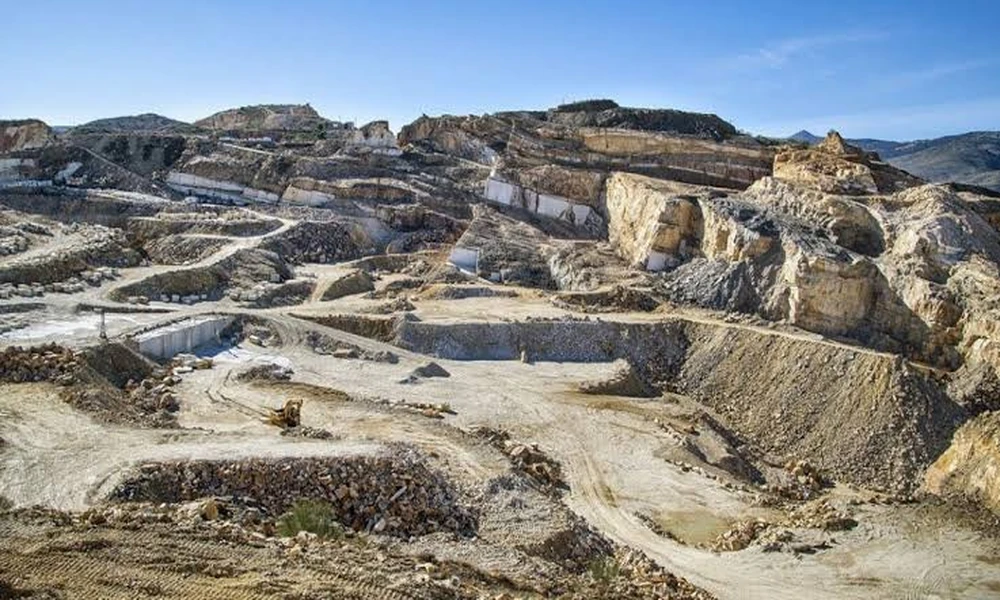
The industrial history of American mining is recorded in two forms. The first is the documented record of discovery and production, the gold of California, the silver of Colorado, the copper of Montana and the coal of Appalachia, along with the towns, railroads and industries that grew around them. The second is written into the landscape as abandoned shafts, waste-rock piles, tailings impoundments, altered stream channels and mine workings that continue to collect and discharge water decades after extraction ended.

For most of that history, mining law and reclamation law developed on separate timelines. The General Mining Law of 1872 was written to promote mineral development, and comprehensive federal requirements to reclaim disturbed land did not arrive until the 1970s. The discipline that now governs mine closure, spanning hydrogeology, geochemistry, tailings stability, acid-rock drainage, water treatment, erosion control, revegetation, long-term monitoring and financial assurance, emerged gradually, and much of it developed in response to the documented consequences of mines that closed without such planning.

Mining Law Built for Extraction

The General Mining Law of 1872 was enacted during a period of federal policy focused on settling and developing the western territories. The statute opened valuable mineral deposits on federal land to exploration and purchase, and it concerned itself with access, claims, mineral rights and development. It contained no requirement to close tailings facilities, control acid drainage or restore a watershed after extraction ended.

Many of the abandoned hardrock mines across the West originated under that framework, in which an operator could exhaust an ore body and depart without a reclamation plan or the financial assurance required today. The Bureau of Land Management notes that many such sites were never properly reclaimed and that financially responsible parties are often difficult or impossible to locate because of the age of the workings. The scale of the resulting liability appears in federal inventories. A March 2020 Government Accountability Office report found that four federal agencies had identified at least 140,000 abandoned hardrock mine features on lands under their jurisdiction, of which about 67,000 posed or might pose physical safety hazards and about 22,500 posed or might pose environmental hazards, and the same agencies estimated that more than 390,000 additional features might exist on federal land but had not yet been catalogued.

Hydraulic Mining and the First Legal Limits in California

California produced one of the earliest demonstrations that mining waste does not remain at the mine. By the 1850s, operators were using high-pressure water cannons to break down gold-bearing hillsides, a method that dislodged large volumes of gravel, sand, clay and finer sediment and sent the residue downstream. The debris raised downstream riverbeds, buried agricultural land and increased flooding along the Sacramento River system.

The conflict between hydraulic miners and downstream landowners reached the federal courts in Woodruff v. North Bloomfield Gravel Mining Company. Edward Woodruff filed suit in 1882 on behalf of affected property owners, and in 1884 Judge Lorenzo Sawyer issued a decision restricting the discharge of hydraulic mining debris into the river system. The ruling established that extraction could not be treated as an isolated activity once its physical effects extended beyond the mine boundary. Congress followed in 1893 with the Caminetti Act, which created the California Debris Commission and allowed hydraulic mining to continue under permits only where its wastes could be kept from damaging navigable rivers and downstream property.

The First Federal Reclamation Programs

Mining technology advanced faster than reclamation policy through much of the twentieth century. Surface coal mining expanded, hardrock mines grew larger, open pits replaced some underground operations, and milling produced larger volumes of tailings and waste rock that could remain chemically active long after extraction stopped. No comprehensive national requirement obligated coal operators to reclaim the land they disturbed until 1977.

The Surface Mining Control and Reclamation Act, signed in 1977, created two systems. One regulated active and future surface coal mining, and the other established an Abandoned Mine Land program to address damage from coal mining that predated the law. The Office of Surface Mining Reclamation and Enforcement administers the statute, which built a national framework requiring operators to account for the post-mining condition of a site and moved the cost and responsibility for closure toward the party disturbing the land.

Colorado had reached a similar position a year earlier. The state’s 1976 Mined Land Reclamation Act declared mineral extraction and the reclamation of affected land to be compatible and necessary activities, and it required operators to reclaim the lands they disturbed. The large legacy of abandoned hardrock mines, which the coal-focused federal program did not reach, required a separate legal instrument, and that instrument arrived in 1980. The Comprehensive Environmental Response, Compensation, and Liability Act, known as Superfund, authorized the federal government to respond to releases of hazardous substances and created a framework for holding potentially responsible parties financially liable for cleanup. Courts later interpreted that liability broadly, including retroactively for contamination that occurred before the statute existed, which made the law central to the cleanup of historic mining districts.

The Eagle Mine and a Century of Underground Workings

The Eagle Mine occupies a 235-acre site near Minturn, Colorado, along the Eagle River, roughly 75 miles west of Denver. Mining in the Battle Mountain area began in the 1880s, and in 1912 the Empire Zinc Company started consolidating individual claims into what became the Eagle Mine. The operation eventually developed more than 70 miles of underground workings, and production shifted over time from gold and silver toward zinc, which ended in 1977, with copper and silver mining continuing until the mine closed in 1984. Tailings were slurried through pipelines and deposited at several locations along the river corridor.

When mining ended, the underground workings flooded, and contamination that included arsenic, cadmium, copper, lead and zinc was documented in soils, structures, sediments, surface water and groundwater. The Environmental Protection Agency added the site to the National Priorities List in 1986. Remediation extended well beyond sealing an entrance, and it involved plugging mine portals, addressing contaminated materials, controlling seepage and runoff, constructing a water treatment plant and establishing long-term surface water and groundwater monitoring. The potentially responsible party carried out most of the construction between 1989 and 2001, and water treatment and monitoring have continued since. The mine operated for roughly a century, and its documented reclamation history now spans several decades.

The Berkeley Pit and Post-Closure Hydrology

Butte, Montana presents a different closure problem. When mining at the Berkeley Pit ended in 1982, the Atlantic Richfield Company shut off the pumps that had kept groundwater out of the underground workings, and water began rising through the interconnected mine system and into the pit. The pit is roughly 1,600 feet deep and now holds hundreds of feet of acidic, metal-laden water, and contaminated water from the pit and surrounding workings is treated at a facility designed to handle up to seven million gallons per day. The site forms part of one of the largest mining-related Superfund landscapes in the country, and it demonstrates that groundwater movement does not stop when mining ends.

Summitville and the Cost of Financial Failure

Gold mining in the Summitville district of southern Colorado dates to 1870, at an elevation of roughly 11,200 feet in the San Juan Mountains. In the mid-1980s, Summitville Consolidated Mining Corporation, a subsidiary of the Canadian company Galactic Resources, operated an open-pit mine that used a cyanide heap-leach process to recover gold and silver. Cyanide-bearing and metal-bearing solutions leaked from the heap-leach pad into the underdrain system and reached the Wightman Fork of the Alamosa River, and a dead zone eventually formed along roughly 17 miles of the river below the mine.

In December 1992, Galactic Resources notified the state of Colorado that it intended to declare bankruptcy and abandon the site, and the Environmental Protection Agency assumed emergency responsibility on December 16, 1992 to prevent contaminated water from overtopping the heap-leach containment. The site was added to the National Priorities List in 1994. Remediation has included detoxification and closure of the heap-leach pad, management of waste piles and mine drainage, extensive earthwork, source-water controls and construction of water-treatment infrastructure, and it stands among the largest mine cleanups funded through Superfund. Long-term treatment and monitoring continue, the site remains on the National Priorities List, and the State of Colorado assumed the ongoing treatment cost of about two million dollars per year beginning in 2021.

Abandoned Mines Without a Responsible Owner

Modern mines can be required to provide financial assurance and approved closure plans, which leaves the hardest cases among the historic mines whose operators are long gone. The federal inventories quantify the problem. Beyond the 140,000 catalogued features identified in the 2020 Government Accountability Office report, the same agencies estimated more than 390,000 additional uncatalogued features, and the Environmental Protection Agency stated in 2026 that more than 100,000 abandoned hardrock mine sites across the United States carry public health and environmental hazards.

The difficulty became publicly visible at the Gold King Mine near Silverton, Colorado in 2015. An Environmental Protection Agency team and its contractors were investigating ongoing mine-water discharges when excavation above a collapsed adit released pressurized water that had accumulated behind the blockage. Approximately three million gallons of acid mine water flowed into the North Fork of Cement Creek, a tributary of the Animas River, and the resulting orange plume drew national attention. The agency has noted that the surrounding Bonita Peak Mining District already discharged roughly 5.4 million gallons of acid mine drainage per day from 48 historic mine and mining-related sources.

Reclamation as an Engineering Discipline

The shift from the framework of 1872 to current practice can be described as a move toward planning for closure during a mine’s operating life. Contemporary reclamation can require characterization of groundwater and surface water, geochemical testing, acid-rock drainage prediction, slope-stability analysis, erosion modeling, tailings consolidation, seepage controls, cover and liner design, stormwater management, water treatment, revegetation and years of monitoring. The National Academies of Sciences, Engineering, and Medicine describes reclamation as the preparation of a mine and processing site for beneficial use while reducing future environmental damage, and it acknowledges that complete reclamation may not be achievable at some sites, where long-term monitoring can remain necessary.

That complexity is visible in reclamation work underway at legacy mine sites in Colorado. Engineering Analytics, Inc. reports providing engineering and project-management services associated with tailings collection and disposal, stream stabilization, water management, historic-structure preservation and reclamation planning at the Idarado Mining Company’s inactive sites in the Red Mountain Mining District of Ouray County and at the Pandora Mill near Telluride. The firm’s broader mine reclamation and closure work includes heap-leach pad closure, tailings impoundment closure, groundwater modeling, acid-rock drainage mitigation, geochemistry, cover and liner design, slope stability, erosion control, water treatment and regulatory support, and the company reports having prepared reclamation plans, cost estimates, construction specifications and engineering designs for more than 60 mine sites worldwide.

Tailings Management and Third-Party Cleanup

Two recent developments extend the trajectory further. In August 2020, following the January 2019 collapse of a tailings dam at Vale’s Córrego de Feijão mine near Brumadinho, Brazil, the United Nations Environment Programme, the Principles for Responsible Investment and the International Council on Mining and Metals launched the Global Industry Standard on Tailings Management. The standard, developed through the independent Global Tailings Review chaired by Bruno Oberle, addresses the full tailings facility lifecycle from site selection and design through construction, operation, monitoring, closure and post-closure. Engineering Analytics reports that it is applying the standard’s principles to client tailings impoundments.

The United States has also begun to address one of the persistent obstacles to cleaning up abandoned hardrock mines, the concern that a party voluntarily remediating a mine it did not create could incur liability for the resulting pollution. Congress enacted the Good Samaritan Remediation of Abandoned Hardrock Mines Act on December 17, 2024, establishing a pilot program that authorizes the Environmental Protection Agency to issue up to 15 permits allowing qualified third parties to remediate abandoned mine sites while receiving specified protections from liability under the Comprehensive Environmental Response, Compensation, and Liability Act and the Clean Water Act.

The program moved from statute to a specific project in 2026. On June 11, 2026, Trout Unlimited applied for the program’s first proposed Good Samaritan permit, for the Bodie Mine in Okanogan County, Washington, and the Environmental Protection Agency opened public review of the application in July. The proposed work would excavate and remove up to 790 tons of contaminated soil and sediment along 400 linear feet of Toroda Creek and reconstruct the streambank, which the agency estimates would prevent approximately 104 tons of contaminated tailings from eroding into the creek each year. The tailings at the site contain arsenic, cadmium, lead, mercury, selenium, copper and zinc.

The Questions That Now Govern Mine Closure

The change across this history can be traced in the questions that policy has asked. Nineteenth-century mining law asked how quickly minerals could be located, claimed and developed. Federal statutes of the 1970s and 1980s added the question of who bears responsibility for the damage that remains after extraction ends. The regulatory and technical developments documented here, from the Surface Mining Control and Reclamation Act through the Global Industry Standard on Tailings Management and the 2024 Good Samaritan Act, point to a further question now embedded in closure planning, which concerns what a mined landscape, watershed and engineered system should look like over the decades that follow the removal of the last ore. Answering it draws on geology, hydrology, geochemistry, civil engineering, environmental science and long-term monitoring, and it rests on the record of earlier mines that documented what closure requires.


A poorly marked building can frustrate guests, confuse delivery drivers, and leave a lackluster first impression on everyone who passes by. In cities like Montreal, where every street corner has its own architectural flair, a multi-unit entry sign is more than a wayfinding necessity. It is a design opportunity.

Why Multi-Unit Entry Signs Matter: Clarity Meets Style

Residents and visitors alike rely on visible, well-designed entry markers to navigate multi-unit buildings. Missed packages, delayed food deliveries, and puzzled first-time guests are all too common when signage is neglected. In a city as vibrant as Montreal, an address sign must do two things at once: make the location obvious, and contribute to the building’s charm.

Practicality and aesthetics do not have to be at odds. The right sign fits seamlessly with its surroundings, never overpowering the facade but always catching the eye when it matters most. This balance defines good signage, especially for multi-unit entries that must serve diverse needs without sacrificing curb appeal.

Case Study: Transforming a Montreal Multi-Unit Entrance

One recent project in Montreal illustrates common challenges: The existing entry numbers were faded, the style clashed with the newly renovated exterior, and harsh winters had left metal components rusted and worn. Residents complained about missed deliveries, especially during evening hours when poor lighting further obscured the address.

A collaborative design process made the difference. By sharing photos of the building, discussing style preferences, and reviewing material samples, the building owner and design team reached a proposal that matched durability needs with a modern aesthetic, ready to withstand Montreal’s seasons.

Choosing the Right Materials for Longevity and Elegance

Montreal’s climate is unforgiving. Entry signs face snow, rain, sun, and freeze-thaw cycles that can destroy inferior materials. Weather-resistant metals matter. Aluminum, stainless steel, and bronze remain popular for their corrosion resistance and ability to hold stylish finishes.

But material choice should complement architecture as well. A slate plaque with etched numbers might suit a classic stone building, while sleek acrylic or brushed steel adds polish to contemporary facades. The best designers recommend finishes based on both exposure and visual harmony.

Designing for Readability and Visual Harmony

Optimal number sizing is not guesswork. Sightlines, street width, and setback from the curb all determine what works. If your building is set back far from the street, larger numerals and bolder contrasts ensure legibility from a distance. Conversely, a smaller entry close to the sidewalk might call for more restrained sizing.

Placement matters. Signs mounted on rough brick or uneven stone need special mounting hardware and templates to guarantee straight, evenly spaced numbers. For complexes with multiple units, coordinated plaques and matching wayfinding cues prevent confusion while unifying the property’s look.

Customization Options That Elevate Your Entrance

Individual numbers, numbers on a bar, and engraved plaques each bring unique advantages. Minimalist buildings often benefit from single, modern digits spaced precisely. Number bars simplify installation and create an easy focal point. Engraved plaques deliver a sense of permanence and refinement, especially when paired with custom typefaces.

Going beyond numbers is a smart move. Street names, family names, directional arrows, and entrance markers transform a basic sign into a true identifier, especially in buildings with more than a handful of units. For properties that face busy streets or dim evenings, illuminated numbers add both impact and function.

Streamlining the Process: From Inquiry to Installation

The path to a finished entry sign does not have to be complicated. It starts with sharing a site photo and a few thoughts on style. Designers quickly develop a first proposal, and with a bit of back-and-forth, the final look is set. Most projects, like those at Orthografica Montreal, move from first inquiry to installation in three to four weeks.

Clear installation instructions and templates make the process straightforward for handy property managers, but professional installation is widely available for tricky facades or busy owners.

Lessons Learned and Best Practices from Completed Projects

Common pitfalls include undersized numbers, clashing fonts, or mounting errors that leave digits askew. Overcomplicating a sign with too many design elements can be just as confusing as not enough information. The best projects focus on visibility, coherence, and lasting materials.

Enhancing curb appeal does not mean sacrificing clarity. Instead, the most successful signs draw the eye and inform at a glance, adding confidence and value to the property.

How to Get Started: Making Your Multi-Unit Entry Sign a Reality

Start by gathering a clear photo of your entrance and jotting down a few preferences: material, color, and whether you want illumination or special features. Expect a quick response from reputable fabricators, followed by a collaborative design consultation. The process is shaped by your feedback and needs, ensuring the final product reflects both your property’s identity and the practical demands of daily life.

A well-designed multi-unit entry sign is more than a label. It’s a handshake with the street and a silent welcome to everyone who passes through your door.

Homeowners in Springfield rely on AC systems through humid summer days and warm nights. Seasonal service helps reduce waste, protect comfort, and support steady equipment performance. Homeowners can schedule an AC check early, so technicians can review airflow, parts, and repair needs.

Efficient AC Care Starts With Expert Local Service in Springfield

Local support from Springfield, MO, air conditioning specialists gives homeowners clear guidance on AC efficiency. A technician checks refrigerant charge, amp draw, contactors, drain safety, and blower operation. These readings show how hard the system works during each cooling cycle. Clear service notes help homeowners decide which repairs deserve immediate attention. This practical approach reduces guesswork and supports steady comfort through local heat.

System Checks That Support Lower Energy Use

A detailed inspection helps uncover small defects that waste electricity. Weak capacitors can force outdoor motors to draw excess power. Loose wires can create heat, poor starts, and early part failure. Correct refrigerant levels help the evaporator remove indoor heat at the proper rate.

Clean Components Help Air Move With Less Strain

After the system check, airflow needs direct attention inside the home. Dust on filters, coils, and blower parts can restrict air movement. A technician can replace filters, clean blower parts, and rinse outdoor coils. These steps help treated air reach bedrooms, kitchens, and family spaces. The homes near trees may collect cottonwood, pollen, and yard debris. Clean parts help the system meet thermostat settings with shorter cycles.

Proper Coil Care Protects AC Performance

The outdoor coil must release indoor heat without blocked fins. Grass clippings, cottonwood, pollen, and dust can cover coil surfaces. Service crews clean fins with care, so air can pass freely. Clear fins help the compressor handle long Missouri heat periods.

Accurate Thermostat Setup Reduces Wasteful Cycles

Thermostat accuracy matters after airflow and coil service support normal operation. A malfunctioning thermostat can waste energy when it reads the wrong room temperature. Technicians check calibration, wire connections, battery power, and control settings. Sunlight, lamps, hallway drafts, and nearby vents can affect readings. Families in Springfield gain steadier comfort when controls reflect actual room conditions. A practical schedule reduces run time during work, school, and errands.

Airflow Balance Helps Rooms Stay Comfortable

Uneven comfort can point to airflow problems inside the duct system. Airflow tests can reveal blocked returns, closed vents, or duct leaks. Technicians check vent pressure and review rooms with weak air delivery. Balanced airflow helps the system reach set temperatures with less strain.

Routine Service Helps Prevent Costly Energy Loss

Energy waste becomes easier to control when service occurs before peak heat. Small AC faults can waste power long before major comfort problems appear. A clogged drain line may raise humidity and trigger safety switch shutdowns. A weak motor can add strain during the hottest afternoon hours. Service records help track part age, repair history, and repeat concerns. Regular maintenance helps homeowners plan repairs without rushed emergency decisions.

Professional AC Support Creates Durable Home Comfort

A complete service visit gives homeowners useful details about system condition. A technician can document filter size, refrigerant readings, amp readings, and coil condition. Reports can explain when duct sealing, part replacement, or cleaning makes sense. Homes with pets may need filter changes sooner each summer. Older ductwork may need airflow checks after remodels or room additions. These details help households protect comfort through Springfield heat and humidity.

Energy waste drops when AC systems receive accurate tests, clean parts, and balanced airflow. For planned summer service, trusted Springfield, MO, air conditioning specialists can help homeowners prepare equipment early. Schedule service before peak heat to protect comfort and reduce system strain. The Springfield households benefit from maintenance that matches local weather, home layouts, and daily use. A well-serviced AC system keeps indoor comfort steady through warm Missouri seasons.

Stranger Things is a show that defined an entire era of streaming television. Its 2016 premiere became one of Netflix’s first major hits and proved the platform was capable of producing world-class content, not just aggregating other people’s licenses. Since then the show has gone through several seasons of varying length and ambition, growing from a small retro project into a full Hollywood blockbuster with a budget per episode comparable to that of a feature film. The fifth season is announced as the final one, and interest in it is enormous. Viewers want to know how the Duffer brothers plan to wrap up a story that has continuously expanded and deepened over nearly a decade. This article is about what to expect from the finale and why it matters for the entire series industry.

Equipment trouble can stall a job fast, especially when crews depend on machines for daily work. In Lebanon, TN, farms, warehouses, construction sites, and local facilities all need equipment ready when the workday starts. A quick repair plan can help teams keep the day organized.

On site service brings help straight to the machine instead of sending equipment across town. That is why equipment repair and maintenance services in Lebanon, TN, matter for crews that value steady schedules and fewer delays. It gives local teams a practical way to handle machine problems at the work site.

Faster Help Where The Machine Sits

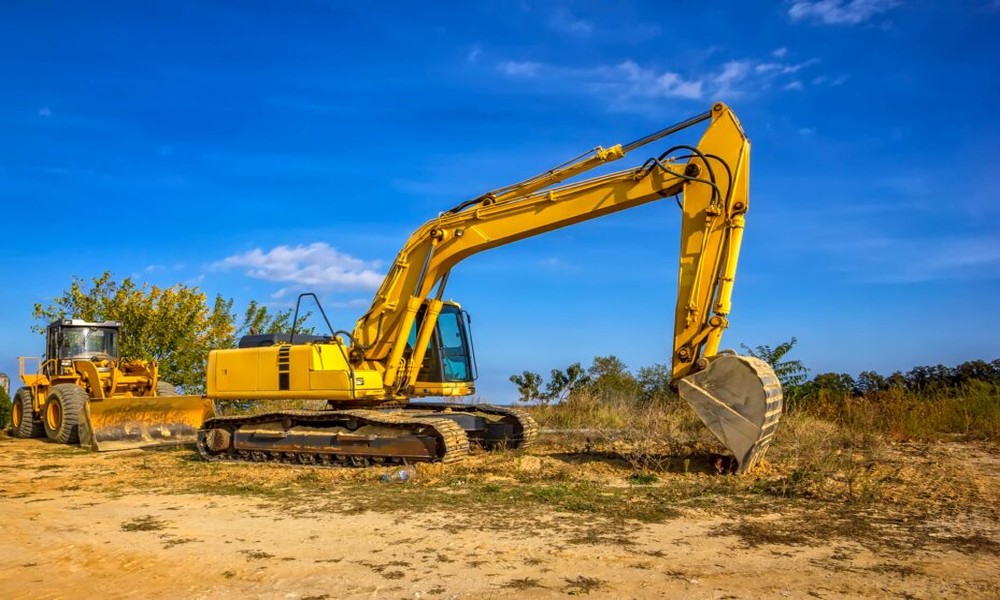
A stalled machine creates pressure right away. On-site repair cuts the extra step of hauling equipment to a shop. A technician can inspect the issue at the job site and start the repair process in the same place.

This approach saves time for loaders, lifts, tractors, compactors, and other work machines. Crews can keep nearby tasks active while the repair takes place. The whole day feels more manageable when the equipment stays on site.

Less Strain On Daily Work Plans

Transporting broken equipment takes trailers, drivers, fuel, and time. Those extra steps can pull people away from their main duties. On-site equipment service helps keep labor tied to the actual job.

A local repair visit also helps supervisors make clearer plans. They can see the machine, hear the diagnosis, and adjust the schedule right there. That direct process supports smoother repair and maintenance decisions.

Better Care For Hardworking Equipment

Machines in Lebanon deal with dust, heat, mud, gravel, and steady use. These conditions can wear down belts, hoses, filters, tires, batteries, and hydraulic parts. Regular field service helps catch small issues before they slow the crew.

Preventive maintenance also keeps equipment safer and more dependable. A technician can check fluid levels, fittings, brakes, leaks, and worn parts during the visit. This practical care helps machines stay ready for demanding workdays.

Repairs That Match Real Job Conditions

Shop repairs can help, but field repairs show how the machine acts in its normal setting. The technician can see the terrain, workload, attachments, and operator concerns. That real context can make the diagnosis more accurate.

For example, a lift that struggles on a warehouse floor may need a different check than one used outside on uneven ground. A skid steer on a construction site may show stress from soil, debris, or heavy attachments. On site service gives the technician useful clues right where the problem appears.

Local Service Supports Steady Operations

Local equipment service can respond to the needs of Lebanon crews in a practical way. Familiarity with area work sites, road access, and common equipment types helps visits move smoothly. That local knowledge can make repair planning simpler and help technicians arrive prepared.

Reliable maintenance also helps businesses protect schedules. When equipment receives regular attention, surprise delays become easier to manage. Crews can plan work, assign tasks, and keep projects moving at a steady pace.

Downtime can disrupt a full workday, but on site repair keeps the solution close to the problem.
For many local crews, equipment repair and maintenance services in Lebanon, TN provide practical support right where machines work. The right service visit can reduce hauling time, protect daily schedules, and keep equipment in better condition. In a busy town with active job sites and steady commercial work, that kind of support makes a real difference.