
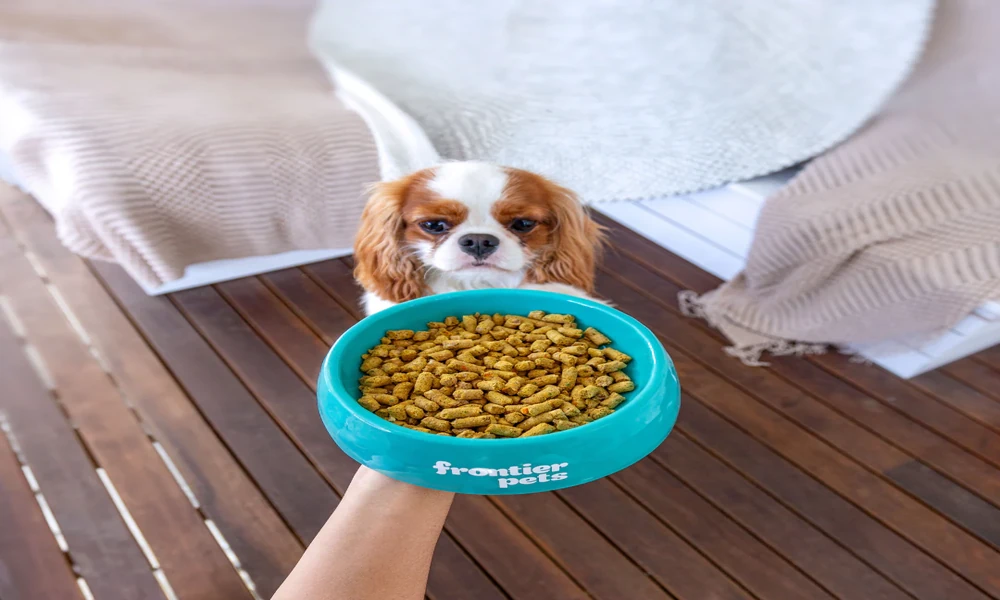
Dogs bring immense joy to our homes. Their dietary needs change as they grow older. Therefore, you must select their food rewards carefully. Every life stage requires a different nutritional focus. Proper rewards support their development and health.
The Puppy Growth Phase
Puppies possess tiny mouths and fragile teeth. They burn energy at a very fast rate. Consequently, young dogs need soft, nutrient-dense rewards. These rewards must support rapid bone development. Small bites work best for training exercises.
During this stage, learning happens very rapidly. You should reward positive behavior immediately. For instance, dog treats keep their focused attention. High-protein rewards aid muscle development during growth. Sometimes, young pups experience sensitive stomach issues. Thus, simple ingredients prevent digestion problems easily.
Navigating Adolescent Energy
Adolescent dogs exhibit high energy and stubbornness. Their permanent adult teeth emerge completely now. So, they require longer-lasting chews for relief. Chewing behaviors naturally increase during this vibrant period. Stronger rewards satisfy their intense biological urges.
Furthermore, training requires highly motivating, flavorful rewards. Adolescent minds distract easily during outdoor walks. You can use healthy freeze-dried meat options. Companies like Pupford offer excellent training rewards. These options keep your dog focused beautifully. Healthy options prevent unnecessary weight gain during growth.
Sustaining the Prime Adult Years
Adult dogs reach their full physical maturity. Their energy levels stabilize into predictable patterns. Now, maintenance becomes the primary health goal. You must balance caloric intake with daily exercise. Excess weight damages canine joints over time.
Active adults benefit from functional ingredient rewards. Lean meats provide excellent protein sources daily. Additionally, look for added joint health supplements. Glucosamine supports active joints during long runs. Sometimes, dental health rewards clean teeth effectively. Adult dogs deserve nutritious, delicious rewards daily.
Transitioning into Senior Care
Senior dogs slow down their physical activity. Their teeth may become loose or painful. Consequently, soft textures become absolutely necessary again. Older dogs often lose their sharp appetite. Strong aromas entice them to eat happily.
FAQ
How do young puppy rewards differ from older senior rewards?
Puppy rewards focus on growth and soft textures. Senior rewards manage weight and support stiff joints.
Can adult rewards hurt a small puppy?
Sometimes, adult options are too hard for puppy teeth. Small, soft pieces prevent accidental choking hazards.
How often should pets receive these rewards?
Rewards should comprise a small part of daily calories. Excess rewards cause unhealthy weight gain quickly.
Are single ingredient options better for sensitive stomachs?
Yes, single ingredients minimize potential allergic reactions. Products from Pupford simplify healthy digestion.
Should senior rewards be easy to chew completely?
Soft rewards protect fragile senior teeth from breaking. Strong smells also encourage older dogs to eat.

Comments are closed.