Category

Featured

Category

At this point, climate change is very much a present threat that cannot be ignored.To do so would be inherently damaging — not only to the individual, but to society, to mankind, and to the entirety of life on Earth.

It may sound dramatic in those terms. But the stark fact is that it is dramatic. The impact of climate change upon the planet will be nothing short of colossal-scale dramatics, for every living creature here. Even Bill Nye, who holds a place in the hearts of Americans akin to how British people embrace Sir David Attenborough, isn’t sugar coating it.

“By the end of this century, if emissions keep rising, the average temperature of the Earth could go up another four to eight degrees,” Bill Nye said on Last Week Tonight.

Meanwhile, Sir David Attenborough’s appearance onClimate Change — The Facts allowed him to deliver the difficult truth in a raw and uncompromisingly clear message: that global warming is the greatest threat the planet has witnessed in thousands of years.

It’s terrifying, but for the moment, it isn’t irreversible. The world’s governments have, by and large, agreed to cleaning up their emissions and waste in recent years. We’re recycling more and looking at renewable sources of energy. We’re removing single-use plastics from our supply chain and swapping our energy-inefficient appliances for more eco-friendly options, such as condensing boilers and energy-saving bulbs.

The question is whether or not we’re seeing an improvement at all from our current efforts. One way to gauge improvements is via the air quality statistics report released by the Department of Environment, Food, and Rural affairs (DEFRA).

What impacts the UK’s air quality?

Before we look at the specific elements that are monitored for air quality purposes, it is important to understand what has an effect on the UK’s air quality. We all know pollutants from vehicles and fossil fuels are a prime contributor to dangerous emissions and poor air quality, but other factors can also affect our air quality, such as:

  • Emissions from Europe and the wider world
  • Weather conditions, such as heat in the summer, can cause changes in air quality

What’s in the air?

PM10

What is PM10?

PM stands for particulate matter. These particles could be solid or liquid, come from natural or human sources, and can be a variety of sizes. Particulate matter concentration in the air is measured in micrograms per cubic metre (µg m–3). Particulate matter itself is measured in diameter from as small as a nanometre (nm), such as viruses, to micrometres (µm), such as human hair (100µm).

PM10 covers particulate matter in the air that is less than or equal to 10 µm in diameter. Some examples of particulate matter of this size range include:

  • Dust (<10µm)
  • Pollen (<10µm)
  • Red blood cells (7-8 µm approx.)

Particulate matter in the air is grouped in two ways: primary components, which are released into the air from a source directly (such as pollen from a plant), and secondary components, which are created by chemical reactions in the atmosphere, (such as sulphate, which forms when sulphur dioxide oxidises in the air to create sulphuric acid, which then reacts to ammonia to create ammonium sulphate in the air).

Why is PM10 bad?

Generally speaking, small particulates in the air are considered to be harmful to human health. There is evidence to suggest particulate matter with a diameter of 2.5µm or less is particularly harmful; carbon and trace metals in the air, for example. These particulates have been linked to respiratory and cardiovascular illnesses.

Is it decreasing in the UK?

According to DEFRA, the levels of urban background PM10 pollution has reduced considerably between 1992 and 2018. The most dramatic fall was between 1992 and 2000, with an average yearly reduction of around 1.6 μg/m3. However, the increase in PM10 between 2017 and 2018 has been noted as “statistically insignificant” by the report.

PM2.5

What is PM2.5?

Like PM10, PM2.5 refers to particular matter polluting the air around us. It is measured the same way and covers particulates with a diameter of 2.5µm or less. Basically, these are some of the smallest particulates in the air that the country monitors. Like PM10, PM2.5 can come from manmade or natural sources and can be primary components released directly from the source to the air, or secondary components formed from a chemical reaction within the air.

Some examples of these tiny particulates are:

  • Combustion particles (<2.5µm)
  • Nanotube electrodes (1µm)
  • Trace metals (<2.5µm)

Why is PM2.5 bad?

Similarly to PM10, PM2.5 is bad news for respiration. These tiny particles can cause, as well as aggravate, respiratory diseases, cause plaque deposits in the arteries, and even lead to heart attacks or strokes. PM2.5 tend to stay in the air much longer than PM10 due to being lighter, which means people have a greater chance of inhaling them. Plus, as they are so small, the nose and lungs are not always able to filter them before they reach our lungs. The elderly and children are particularly vulnerable to this.

Is it decreasing in the UK?

PM2.5 has decreased for urban background pollution compared to 2009, with the average yearly concentration of 9.5 μg/m3 in 2017 the lowest in the recorded range. As with PM10, the increase between 2017 and 2018 is seen as “statistically insignificant”.

NO2

What is N02?

NO2 is nitrogen dioxide, and it is measured in the air in micrograms (µg). It is produced by burning fossil fuels, such as coal, as a primary component released directly into the air. It can also be produced as a secondary component when nitrogen oxide and ozone react in the air, producing nitrogen dioxide and oxygen.

Why is NO2bad?

DEFRA notes that NO2 can inflame the lungs, damage how our lungs work, and aggravate the symptoms of asthma. NO2 also has an adverse effect on crops and vegetation.

Is it decreasing in the UK?

NO2 levels have indeed reduced in the long term (since 1990) as well as in recent years within the UK. In particular, there was a rapid decrease in the amount of NO2 in the air between 1992 and 2002, with an average yearly reduction of around 2.7 μg/m3.

O3

What is O3?

O3 is ozone, and like NO2, it is measured in μg. No doubt we’ve all heard about the ozone — it protects the Earth from ultraviolet rays from the sun, and it is being destroyed by manmade emissions. Ozone is a good thing, we’re all told.

Well, yes and no. As AirNow explains, when it comes to ozone, it is “good up high, bad nearby”. Essentially, when ozone is high up in the planet’s stratosphere, it’s good. It’s protecting us, and we’re also not breathing it in at this level. But at ground level, (the troposphere), ozone is bad news for people and plants alike.

Why is O3 bad?

O3 created at ground level is usually created by chemical reactions between nitrogen and volatile organic compounds, which in turn, come from industrial emissions, vehicles, and solvents. It is particularly prominent in the summer months, as these chemical reactions occur under the heat of the sun.

Breathing in high concentrations of O3 at ground level can cause:

  • Throat irritation
  • Lung irritation and coughing
  • Chest pains
  • Reduced lung function
  • Inflammation of the lungs

It also damaged crops and makes plants more susceptible to diseases and pests.

Is it decreasing in the UK?

No — the levels of urban background ozone pollution have been increasing over the long-term, though DEFRA notes that the last decade has been “stable”. Between 2017 and 2018, the concentration of O3 increased from 58.3μg/m3to 62.8 μg/m3. There are a few reasons why this increase may have occurred:

  • Hot weather conditions create high ozone concentrations, and so, the heatwaves experienced in the UK in 2018, 2006, and 2003 – will have caused notable increases in O3.
  • The UK and Europe have reduced their nitrogen oxide emissions as a whole. Nitrogen oxide is known to reduce ozone formation. This is something of a double-edged sword: we have reduced nitrogen oxide emissions, which has in turn reduced nitrogen dioxide pollution in the air (which is formed from nitrogen oxide and ozone reacting in the air, producing nitrogen dioxide and oxygen). But in doing so, the ozone in the air has nothing to react to, meaning it stays!

When it comes to emissions and air quality, the UK is certainly seeing improvements in most areas. We still have a lot of work to do, particularly with our O3 levels. We also need to take drastic action in other climate change-causing behaviours, such as waste and recycling.

Sources:

https://www.theguardian.com/us-news/2019/may/13/the-planet-is-on-fucking-fire-bill-nye-is-getting-angry-about-climate-change

https://www.bbc.co.uk/news/entertainment-arts-47988337

https://blissair.com/what-is-pm-2-5.htm

https://www-ssrl.slac.stanford.edu/content/sites/default/files/documents/nano-lab-safety.pdf

https://uk-air.defra.gov.uk/assets/documents/reports/aqeg/pm-summary.pdf

https://uk-air.defra.gov.uk/assets/documents/reports/aqeg/nd-summary.pdf

https://cfpub.epa.gov/airnow/index.cfm?action=gooduphigh.index

The pressure on us to use reusable products is nothing new. After the national charge of 5p for carrier bags was introduced in 2015, we all started to become more aware of what we can do to reduce our waste output. Results from the scheme have been successful — the number of new carrier bags used has gone down by more than 80% in England. Over the next 10 years, the government also expects carbon savings to reach £13 million. So, what else can we do to help the reusable product movement?

Reusable cups

Have you heard of the ‘latte levy’? If you haven’t, it’s the 25p charge on top of the price of a hot drink sold in a disposable cup that was proposed by MPs on the environmental audit committee. Unfortunately, the government decided not to introduce the tax, instead relying on voluntary action from retailers and eco-consciousness from the population.

However, the idea is still worth discussing. There are half a million coffee cups that are littered each day and the UK is set to throw away a third more by 2030. When it comes to your hot drink habits, what can you do to reduce your waste?

The straightforward solution is to purchase a reusable cup. The ‘Pokito’ is one innovation which can be simply adjusted to match the size of the user’s drink, collapsed for portability and easily stored. Invented and designed by Andrew Brooks, the product then went on to be ethically manufactured by Omega Plastics, who have heavily invested in eco-friendly injection moulding machinery.

Straws are also under scrutiny. In fact, it is estimated that the UK and US alone go through around 550 million plastic straws every day, each one taking hundreds of years to break down. Major pub chain JD Wetherspoon got on board to address the issue when they announced that from January 2018, they would no longer be providing customers with single-use plastic straws.

You can start at home too. Stainless steel drinking straws are available (each one comes with its own handy cleaning brush), and although they might not be as flexible, they’re certainly better for the environment.

Cut down on wrapping

Many of us can be excessive when it comes to wrapping. There is so much packaging on some products that customers are reporting ‘wrap rage’. It’s not just frustrating; it’s wasteful and to an extent, avoidable.

Try being more conscious of what you’re doing. Perhaps that half-eaten fruit that’s wrapped in cling-film could be put in a plastic container instead. Or, the sandwich bag used for lunch could be used again tomorrow instead of heading straight in the bin.

Why not buy reusable sandwich bags? These have been specially designed so that they are simple to wash and long-lasting. For children’s food products there is an innovation called ‘Nutripouch’ where parents can create pureed food and insert it into a washable pouch.

A similar problem arises with gifts. Although we love opening presents, it is wasteful and contributes to the 5 million tonnes of paper that the UK sends to landfill each year. This is made especially problematic when we consider that the paper is hard to recycle — it’s often dyed and laminated and contains non-paper additives such as glitter and sticky tape. Instead, consider wrapping gifts in material or brown paper which is easier to recycle.

There’s a range of actions you can take. From purchasing your own disposable cup to investing in reusable sandwich bags, the changes that you make in your day-to-day life don’t have to be huge to make a difference. You might find that you’ll be rewarded too — whether this is in the form of a 50p discounted drink, or in the small savings you make as you buy less packaging.

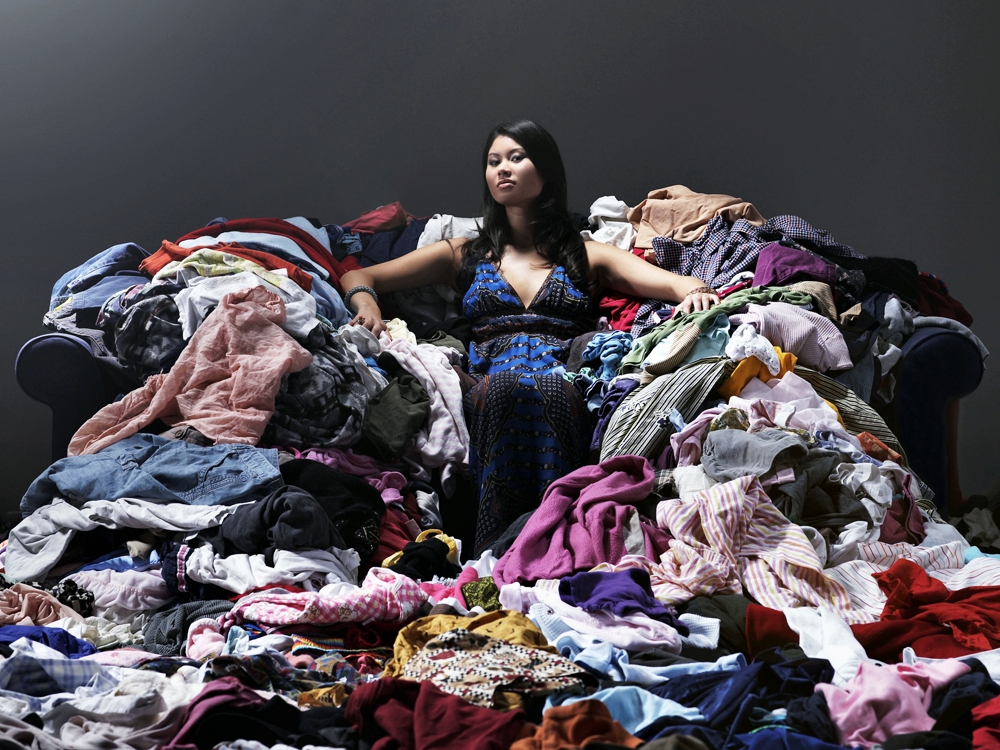
The fashion trends are constantly changing as fast as a blink of an eye. With that, it’s taking a toll on our environment as 300,000 tonnes of clothing ends up being dumped on landfills across the UK each year. That’s even before you add accessories and make-up products to the mix.

An outcry had erupted online in 2017, after Burberry had revealed they burned their excess stock, worth more than $50 million worth of clothes, perfumed and accessories. Our wasteful nature doesn’t really help the issue either, combining it with fast fashion, it’s crippling our planet. Wrap had conducted a study of the textiles industry, which revealed between 2012 and 2016, the UK carbon footprint had increased from 24 million tonnes to 26.2 million tonnes of C02.

With countless numbers of clothes heading to the landfill, and the nature of the fashion industry moving at such a rapid speed, are there any solutions for tackling the impact on the environment whilst at the same, keep the industry ticking over? Teaming up with waste management expert, Reconomy we investigate waste solutions for textiles.

Using food for fabrics

A report leaked by Tree Hugger suggested some recent processes could certainly help tackle the initial carbon footprint cause by textile production.Making clothes uses up a lot of resources, such a water, fuel, and chemical dyes. Circular Systems is offering a solution to that — fibres made from food scraps. In fact, the initiative would solve two issues at once, by making textile production less wasteful and combating the food waste problem.

Circular Systems operate technologies that use existing scraps of textiles and discarded clothing and create new fibres out of them. This means the company addresses both the environmental impact at the beginning of a textile cycle, with its creation, and at the end of its life, avoiding the landfill.

Coffee in clothing

A similar innovation had been shared by Bio Based World News that saw processing using coffee grounds to make fabrics. Singtex is the name of the company responsible for changing how we look at what our clothes could be made from. Like Circular Systems, they are looking to tackle two troubles head-on, but converting a backlog of waste from one sector (again, the food industry) and turning it into a useable item in another sector (the textiles industry).

Love Your Clothes website

Launched by WRAP, this project aims to help the textiles industry deal with their waste problem.This website offers customers a series of helpful advice points, such as:

  • Buying clothes — tips on how to “buy smart”, with an emphasis on clothes that will last, hiring options, swapping stations, or buying second-hand.
  • Care and Repair — this section gives some great lifehacks on how to look after your clothes to keep them living longer. It also advises on how to repair clothes to give them a new lease of life.
  • Refashion and Upcycle — something of a lost art, it certainly needs to see a revival! Here, instead of buying new clothes, the website encourages people to look at their old clothes and find ways to alter or combine items to make new outfits. The best part of this is you end up with a totally unique item!
  • Unwanted clothes — for clothes that don’t fit, that you’ve grown out of, or no longer need, sometimes upcycling isn’t an option. But that doesn’t mean you get to fling them away! Dispose of your clothes responsibly, with a range of different ways to sell, swap, or donate.

Introducing exchange programmes

Several retail outlets have begun running their own exchange programmes, that allow customers to make use of their local shops to drop unwanted clothes for recycling. Sometimes, customers can even get discounts for doing so.

Target and I:Collect are two companies,  who’ve ran  campaigns, allowing customers to receive discount of 20% of their jeans if they brought back their unwanted denim. . The denim was divided into two piles to be either reused or recycled.

Here in the UK, clothing retailer H&M offer recycling services too. With the promise to accept any brand in any condition, H&M notes that it was the first brand to do a full-scale clothing recycling program in-store. Customers can bring down their old, unwanted clothes in exchange for a H&M voucher. The service is also offered in their concept stores, at Monki and at & Other Stories. The old clothes are marked as rewear, reuse, or recycle.

When it comes to clothing waste, the world is in dire need of a waste solution. The fashion industry moves so quickly, and it’s leaving a trail of quickly-discarded clothing in its wake. Businesses need to ensure they have a responsible waste management system in place, such as those provided by Reconomy, to ensure less waste hits the landfill.

Online takeaway service Just Eat found recently that veganism was a top trend among their customer base. Although it’s important to understand that veganism is not a trend and instead a lifestyle choice, the brand also noted that there was a 94% increase in healthy food ordered at the time. For sporting athletes, lifestyle is essential for performance and veganism is an increasingly popular option for some of the biggest names in the field. With this new information in mind, join Traidcraft, suppliers of fair trade vegan chocolate, and take a look at how successful a plant-based diet has proven for those who are under constant pressure to perform.

Jermain Defoe

As veganism has grown in popularity over the years, documentaries on the topic have become readily available to educate audiences on the realities of the meat industry. One person to make the conversion to veganism in light of one of these programs is Jermain Defoe, an English professional footballer playing for a string of successful teams including Tottenham Hotspur. In a recent interview, he confessed that his lifestyle change came as a result of watching ‘What The Health’ on streaming service Netflix, an expose of the cruelty and environmental consequences of a carnivorous diet. While many footballers retire before they hit their mid-30’s, Jermain is 36 and still actively playing the beautiful game for Scottish Premiership team Rangers F.C.

In an interview discussing his new dietary choices in 2018, he said “Now I feel like I’ve got more energy. I feel completely different – I’m able to train every day, I don’t get injuries, it’s helped with my game. That, for me, is the most important thing”, demonstrating a whole host of benefits from excluding dairy and animal products. With 57 caps for his country and 162 goals in the English Premier League, Defoe is a great model for any aspiring vegan athletes.

Venus Williams

Venus Williams has been a professional tennis player since the age of 14, and she was the first African American woman to become World No.1 in the Open Era in 2002. Her career is a force to be reckoned with, and she has remained unshaken by many opponents; but in 2011, Venus was diagnosed with Sjögren’s syndrome and pulled out of the U.S Open later that year to recoup. As a result, she made the switch to follow a raw, plant-based diet and she slowly began playing again. She has regularly stated in interviews that making the lifestyle change was the sole reason that she could take to the court again, and she is often pictured armed with a carton of milk substitute in between sets.

She has celebrated her new relationship with food, “I fell in love with the concept of fuelling your body in the best way possible”, and she is testament against the common misconception of vegan diets as being restrictive and inadequate for those in sport. Protein is often a key focus for athletes, and many people believe that the protein content of a plant-based diet cannot compete with meat products. However, some of the best vegan friendly protein dense options include tofu, lentils, almonds, spirulina and chia seeds.

Forest Green Rovers Football Club

Fans of the Green Army do not enjoy the traditional steak pie or beef burger before kick-off, as the pre-match snacks are made with meat substitutes. In fact, meat has been entirely benched, as even the players must adhere to a veggie diet to don a Forest Green Rovers shirt. In terms of performance, they are currently 1st in English football’s League Two after a triumphant promotion in 2017. They cite their reasoning for implementing veganism into the club as environmentally linked, with the damaging consequences of livestock farming a key motivator behind the meat-free squad. Last season saw them qualify for the 2019 English Football League play-offs, where they missed out in the semi -final which having won that, would have put just a match away from going into the next tier up, League One.

The club chairman Dale Vince is also a green energy pioneer as the founder of Ecotricity, and he brought veganism onto the pitch at Forest Green Rovers in 2014. On the topic, he has said “Personally, I’m a vegan and have very strong views on the environment, animal welfare and human health”, and these concerns have been transformed in a sport setting as Forest Green Rovers set their sights on promotion glory.

So, do vegan athletes outperform their carnivorous competitors? Veganism has been subjected to a lot of criticism for a variety of reasons, but we could be underestimating it as a valid way to fuel our bodies. As these plant-based victories show, there is a substantial amount of bodily fuel that can be derived from following a plant-only diet, and perhaps athletes should try the switch themselves in order to determine the benefits.

Sources:

https://www.independent.co.uk/life-style/health-and-families/forest-green-rovers-why-i-turned-my-football-club-vegan-dale-vince-a7537286.html

Every time that you look at top brands in the market, one common thing about them is their flawless products. With a carefully designed product, it becomes easy to market, increase sales, and profit. While every business targets to design a winning product, the truth is that this is not an easy task. Many businesses have stagnated or fallen by the way because of mistakes with product design. This post highlights the common product design mistakes and how to avoid them.

Not Understanding Your Product Design Goals 

The best company products are crafted at the intersection of performance, aesthetics, and costs. Failing to understand the balance between these three parameters results in crafting products with one aspect superior to others and ultimate failure. For example, if you craft a product with high aesthetics and high price but poor in performance, it will ultimately fail.

In addition to the above three core parameters, it is also crucial to factor the market expectation, what competitors are doing, and intellectual property rights

Failing to Target the Right Customers 

If you fail to target the right clients, your product design is likely to fail. Many companies work on products based on their perceptions about the targeted market but end up failing for not taking a closer look at what clients actually need. 

Your goal should be running a robust research unit to identify the market and establish what the target audience wants. Here, you need to aim at addressing clients’ concerns by ensuring your products articulately connect to them.

As mentioned here, it is also prudent to test the product yourself for assurance that it will deliver the expected impact. Then, make sure that your system is responsive so that it can easily modify the product design to cater to emerging consumer needs. This means that the product design should be considered a progressive thing as opposed to a one-time event.

Trying to Reinvent the Wheel

What products are you trying to introduce into the market? If you take a closer look at your product, the chances are that the technology you want to use is already available. Trying to reinvent the wheel can be a big mistake when designing a product. A lot of resources and time ends up being used to simply come up with the technology. This could make the time needed to break even run into years or even kill your business before taking off.

Instead of reinventing the wheel, it is advisable to work with partners who already have the technology and negotiate for a reasonable price. This means that you can start at a higher level and hit the market with a more superior product. 

To be successful in your product design, it is prudent to look at it holistically. You need to be dynamic by understanding what the market wants and leave room for improvement. More importantly, you need to understand the above four mistakes and avoid them. 

Should the world be looking to deploy more composites in the infrastructure realm? Should more infrastructure projects utilize composite materials in place of steel, aluminum, concrete, etc.? The answer is generally ‘yes’. But the reasons for embracing more composites in infrastructure vary depending on who you talk to.

Construction engineers look favorably on composites because they tend to last longer and are stronger than more traditional building materials. Scientists are drawn to the science behind building with composites. And if you are someone who is concerned about climate change, your preference for composites might rest in their environmental benefits.

The U.S. House of Representatives and its Committee on Science Space & Technology recently heard testimony from a number of composites experts on this very topic. They heard said experts make the case for more infrastructure composites based on climate change concerns.

Changing Weather and Environmental Conditions

Those experts testifying before the House committee began with the premise of climate change and its impact on weather and environmental conditions. Hurricanes Matthew (2016) and Florence (2018) were specifically cited as examples of how storms impacted by climate change are damaging infrastructure.

Rising sea levels, increased flooding, and other acts of nature were also mentioned during the testimony. The underlying theme was that composite materials withstand the forces of nature better than traditional building materials. As such, the experts testified that the U.S. needs to give more attention to infrastructure composites.

Stronger and More Durable

Whether or not you subscribe to climate change, there is no denying that composite materials tend to be stronger and more durable compared to traditional materials. Carbon fiber is just one example. It is stronger and more durable than both aluminum and steel, and it does not rust. Carbon fiber is not affected by moisture and it stands up to high winds rather well.

Rock West Composites, a Utah company that specializes in composite materials like carbon fiber and Kevlar, explains that the strength and rigidity of composites is one of the reasons these are preferred materials for the aerospace industry. Airplane wings and rocket bodies are just some of the components now being built from composites.

Environmental Benefits

Committee members also heard testimony regarding the environmental benefits of building and repairing infrastructure with composites. They were told that composites are less costly to produce, though that point is quite debatable depending on the materials being compared. By and large though, the fact that composites last so much longer means replacements have to be manufactured less frequently. That could be the difference in cost right there.

Experts testified that the lower weight of composites makes them cheaper to transport and install. That means less fuel which, in turn, means fewer pollutants being released into the air and water. Just by virtue of weight savings and less frequent repairs, they say the environment would be better off.

So, did the committee buy it? Time will tell. At the very least, representatives seem to be aware of the fact that we need different ways of building infrastructure in the future. As time marches on, it’s apparent that continuing to use steel, concrete, and other traditional building materials doesn’t allow us to maximize infrastructure potential. Simply put, there are better materials to build with.

If manufacturing processes can be improved and the cost of composites brought low enough, we could eventually be replacing steel and concrete altogether. Perhaps tomorrow’s roads, bridges, and tunnels will be made almost entirely out of composite materials. If it proves to be good for the environment in any way, that is a bonus.

Windmills have long ceased to be an exotic novelty, now they are considered as one of the possible options for savings. Air flows over the earth’s surface carry a huge amount of energy that is now successfully used in industrial wind turbines and small wind turbines for private use.

We will tell you how to choose and technically correctly install a wind generator for a private house. In our proposed article describes the rules for assembly and operation of mini power plants. Interested buyers are given advice on choosing a rating of popular models.

Design and principle of operation of wind turbines

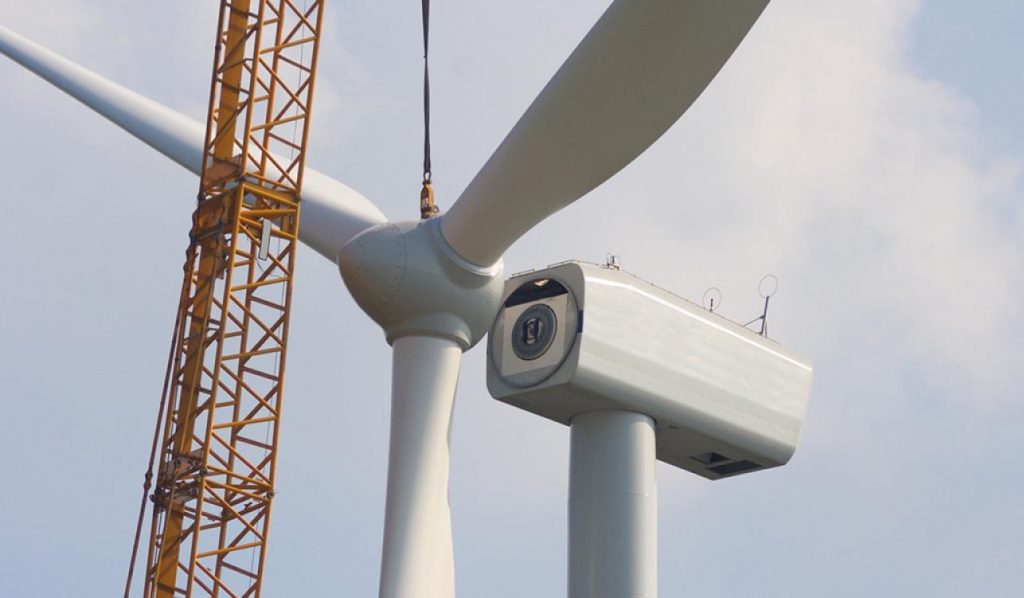
The GIGA Turbines are special devices that transform kinetic wind energy into electrical energy. These are independent sources of electricity that are excellently suited for installation in private homes, small and medium-sized farms, and production bases.

The design of a standard mini-power station for residential use includes the following functional elements:

  • The blades of aerodynamic shape to catch the wind.
  • Generator for producing alternating current.
  • Controller for automatic control of wind station. Allows you to adjust the recharging of batteries, distributes energy flows between devices.
  • Drive Special batteries for the accumulation of generated electricity.
  • Inverter to bring the parameters of the generated energy to the network standards.

Mast raises the blades to a certain height above ground level.

Masts are different: free-standing without stretch marks, rigidly fixed and turning on stretch marks. The latter can be lowered and raised for maintenance, as well as for carrying out repair work.

 Wind generator

Under the influence of wind blades mounted on the generator shaft, begin to rotate, contributing to the launch of the rotor. As a result, the kinetic energy of the air flow is converted into mechanical, and then into electrical energy. It looks like a very simplified scheme of the windmill

In fact, the energy from the wind power plant is not directly supplied to the consumer. The system must be connected to special devices for the conversion of electric current.

A controller is placed in the circuit after the generator. It converts alternating current into direct current. In this form, electricity is accumulated and stored in batteries, and then from them through an inverter, which transforms direct current into alternating current, energy is supplied to the private grid.

Such a scheme makes it possible to smooth out voltage instability, as well as accumulate energy during periods of complete lack of consumption. And this, in turn, allows you to use wind generators of lower power than the total power of household appliances.

 Wind turbine

During the conversion of electric current according to the variable-constant-variable scheme, certain energy losses occur, which constitute approximately 20%. Together with the autonomous wind station, you can install both solar modules and fuel generators. If several devices for generating electricity are involved at once, the circuit is supplemented with one more element an automatic switch (ABP). It is necessary so that when one source of alternative energy is disconnected, another one is launched – backup.

Higher stress level can result in a huge number of health problems. Stress and anxiety can raise blood pressure, infuse the body with negative feelings such as fear, dread, anxiety, and anger, and hike muscle tension. Apart from that, chronic high-stress levels can lead to inflammation of the brain and critical brain issues such as dementia.Your brain spends almost the entire day processing, filtering, and responding.

This consistent demand for mental reserves needs some relaxation. Your brain requires a break. That being said, nature can help your brain to relieve all the stress, worries, and anxieties and relax. Nature offers the space your brain needs to restore. It activates the region of your brain that is responsible for love, kindness, and empathy. So, apart from keeping diseases away, nature also has the potential to turn you into a better human being.

Benefits of Spending Time in Nature

Mentioned below are some of the major benefits you can get by getting exposed to and spending some quality time in nature:

  1. Promotes Generosity and Compassion

Observing a beautiful beach, forest, or any other natural scenery gives us a certain sense of wonder or aw. This sense of wonder can hike your feelings of kindness and compassion to others. According to a study, a feeling of awe can increase your generosity, ethical decision-making capabilities, and positive behaviors to society. It can make you more cooperative and helpful.

  1. Boost Problem-solving and Creativity Skills

Living in urban setups, we are gradually increasing our dependency on technology. By interacting with computers, smartphones, and other electronic devices throughout the day, we are allowing the ability of our brain to process information and focus get reduced. Spending some good time in nature every day can help in rebalancing the technological drain in the cognitive abilities.

  1. Improves Short-term Memory

Taking some time out to walk in nature can help in improving your memory power. A recent study conducted on some depressed individuals brought to light that taking walks in woods can boost the functioning ability of your brain more in comparison to taking walks in the urban environment.

  1. Improves Mental Focus

Researchers believe that city life needs the brain to filter and process way more data in comparison to the natural way of living. Living and working in big cities makes your brain get tired gradually. Viewing nature can provide your brain with an opportunity to relax and regain the energy and power to function better.

The Takeaway

Nature can fill your heart and mind with positive and refreshing vibes. Hence, it is quite essential for you to take out some time and go outdoors and enjoy nature. When you are in nature, switch off all your negative thoughts and try to concentrate on yourself. Connect with your soul and try to know yourself better. Recognize your purpose, goals, and wishes. When you return, you will find yourself inspired and refreshed to take up challenges towards achieving your dreams and goals.

The time has come for you to step into your independence. Maybe you’re getting ready to graduate from college, leaving your parents’ house, or are bouncing back from hard times (in which you were staying with friends), but you’ve got your mind set on getting your first place. As you shop for the perfect pad to move into, here are a few things you’ll need to know about renting your first apartment.

It’s a Legally Binding Contract

When dumpster rental tinley park il your first place it is important to take the entire process seriously. You may not be bound to the property by a 30 or 15-year mortgage, but you still have obligations and responsibilities as a tenant. If you don’t keep up your end of the bargain, you could face consequences that include eviction, loss of your deposit, and even lawsuits.

No matter how amazing a potential apartment looks it is imperative that you read the lease agreement in detail before signing on the dotted line. Your lease spells out everything that is expected of you as well as things that are forbidden. Failing to read it thoroughly could put you at serious risk of the consequences.

Your Credit Matters

Landlords often run a credit check on their potential tenants. They ideally want to find out how risky it would be to lease a place to you. From your credit history, they can see what types of accounts you have and how responsible you are with managing them. A poor credit history would signal a red flag which could get you rejected.

If you haven’t done so already, now is the time to clean up your credit. The quicker you can clear up large balances, past due accounts, or collection accounts, the faster your credit will improve. If you can work out settlements with creditors, you can always use the funds from bad credit personal loans to get the balance down.

There Are Other Expenses

You don’t want to start renting your first place and end up in financial trouble. Unfortunately, this happens a lot. Though there are some rental properties that include the cost of utilities or property services, there are other expenses you’ll need to account for on your own.

Outside of the rent, you’ll also need to budget for renter’s insurance, gas, electric, water, television, and internet services. This does not include typical living expenses like groceries, clothes, gas, and more. To minimize the chances of you falling behind, make sure that you find an apartment you can afford in addition to these other long-term costs.

Another aspect that you have to look for is waste management of the locality. After all, you want to live in a community with prompt and reliable cleaning services. For instance, the Tri-State Disposal, which provides dumpster rental in Tinley Park, IL, has over 25 years of experience with residential, commercial, and industrial waste disposal. If they are cleaning and recycling the waste in your neighborhood, you can rest assured knowing that you will be living in a cleaner and safer environment.

Motorcycle lifts are offered in a number of unique styles, but use very little space and are rather portable. Our variety of motorcycle lifts provide the ideal fit for any sort of motorcycle. Auto Lifts are among the key requisites for auto repair and auto storage. Centered auto lifts are stronger in addition to heavier and requires increased maintenance. Should you need an automobile lift. So your Wayne car lift is actually a Globe.

Electric hoists are very popular as they supply an easy method of lifting heavy loads, many unique types are available, suitable for assorted purposes and lifting capacities. The air hoist repair will however require a pneumatic air supply to work. The IR MKL Chain Hoist has become the best hoist for high manufacturing cycle operations for more than 25 decades.

The manual is probably going to cover itself after your very first project. The jet engine should have water propelling through it as a way to turn. Air compressors have a sound levels listing within the makers specifications and if you’re generally operating the device within the house or inside a little workshop you may want to decide upon a quiet machine rather than risking damage to your hearing using a deafening air compressor.

Although, air compressors with a motor unit of over 2 HP may need a 220-240V power supply. A submersible pump could possibly be positioned in lots of locations that are flooded with some sort of liquid, for example water or slurry.

How to Find Air Hoist Repair Online

If you don’t plan ahead to employ another mechanic you’re not receiving the gist of what I am attempting to teach here, which is that if you’re short of money, it’s vital that you get it ALL right the very first time, as you are vulnerable as hell till you have money in the bank. Superior money in the bank in reality, like quite a few thousand dollars, and a superb mechanic will create a great profit that will help you get the essential expansion quickly.

VFD Preventive maintenance is almost always a great idea. Heavy equipment is expensive and has to have a preventive maintenance program developed in order in order for it to last so long as possible. The most suitable equipment is necessary to opening an automobile shop. Whatever shop equipment you require, we will help you receive it. All sorts of lifting gear has to be regularly inspected and tested by a professional person to make sure the security of the device.

The Battle Over Air Hoist Repair and How to Win It

Now, it’s past time for maintenance and it is probable that more parts than just the brake pads will need to get replaced. If you should do a light work that does not call for much time and effort, you may use a ladder. If you take pleasure in the mechanical work that’s fantastic, but if you wish to grow, you’ll need to devote time learning the perfect way to promote your business. You’re able to analyze your requirements and understand what you need. Several things can cause the demand for hoist repairs, for example, electrical components could possibly be bad, shock load, and at times the age of the crane itself. You can be sure that you are going to have an exhaustive comprehension of the state of your equipment from the point of view of safety, compliance and dependability.

Contact tool distributors including Matco and Snap-On if you don’t have tools. Tools will be an essential part of your small business. The very first thing you have to do is write down every one of the tools which are likely to be operated together.