
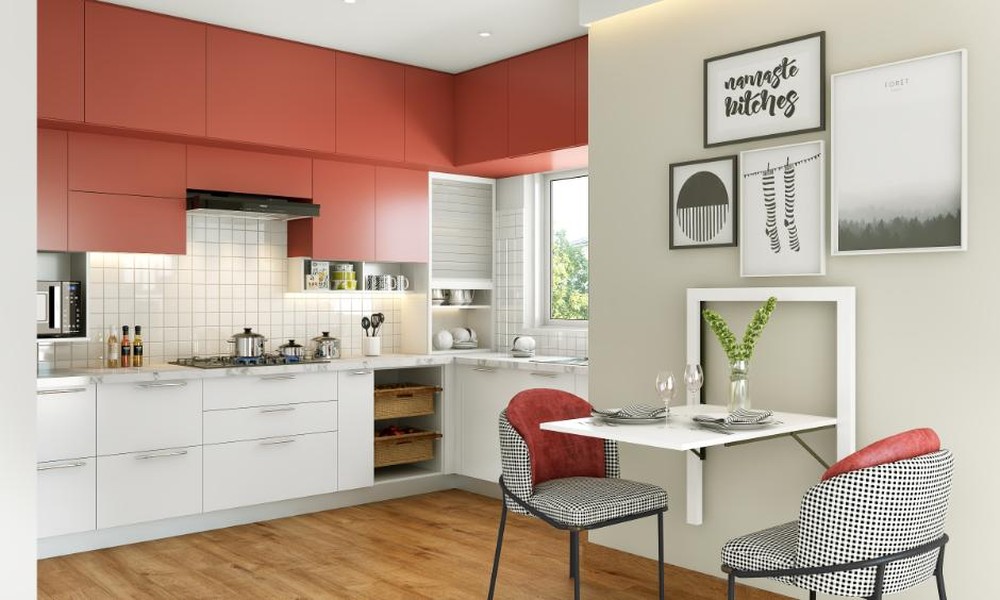
The modern kitchen in 2026 is no longer just a place to prepare meals. It has become a smart, efficient, and energy-conscious space where every appliance, lighting choice, and cooking habit contributes to lower electricity usage. Rising energy costs and growing awareness about sustainability have encouraged homeowners to rethink how their kitchens function daily. Small adjustments, paired with smarter appliance usage, can make a significant difference over time.
From reducing unnecessary power consumption to choosing efficient preparation methods, energy-saving kitchens are built around convenience and thoughtful planning. Whether you are upgrading your cooking habits or redesigning your space entirely, these practical secrets can help create a kitchen that feels modern while consuming less energy.
Choose Energy-Efficient Small Appliances
One of the easiest ways to reduce electricity usage is by selecting compact and efficient appliances for daily cooking tasks. Smaller appliances generally consume less energy compared to large traditional equipment, especially when used correctly.
A hand blender is a great example of an appliance that helps save both time and electricity. Instead of operating large processors for quick blending tasks, using a hand blender for soups, sauces, and smoothies keeps power consumption lower while simplifying meal preparation. Compact appliances also generate less heat, helping kitchens remain cooler during warmer months.
Similarly, a counter top blender can support energy-efficient cooking when preparing healthy drinks, batters, and quick meals. Modern blending technology allows ingredients to process faster, reducing overall operating time and unnecessary electricity use.
Optimise Cooking Habits for Better Efficiency
Efficient kitchens are not only about appliances. Cooking habits also play an important role in reducing energy consumption. Simple routines can prevent unnecessary electricity waste during busy cooking hours.
Start by planning meals in advance. Preparing ingredients together reduces repeated appliance usage and minimises cooking time. Keeping refrigerator doors closed as much as possible also helps maintain cooling efficiency. Preheating ovens only when required and cooking multiple dishes together can further reduce energy consumption.
Using the right appliance for the right task matters equally. A juicer mixer grinder can efficiently handle grinding, mixing, and juicing within a single appliance setup, reducing the need for operating multiple machines separately. Multi-functional appliances simplify kitchen work while helping conserve electricity throughout the day.
Improve Kitchen Lighting and Ventilation
Lighting choices can strongly influence the overall energy efficiency of a kitchen. Traditional bulbs consume more electricity and generate additional heat, which can increase indoor temperatures and cooling requirements. Switching to LED lighting creates immediate energy savings while improving visibility during cooking.
Natural light also plays an important role in modern kitchen design. Large windows, reflective surfaces, and lighter wall colours help brighten the space without depending heavily on artificial lighting during the daytime. Proper ventilation is equally essential. Energy-efficient chimneys and ventilators help maintain airflow without consuming excessive electricity. Cleaner airflow also reduces moisture and heat buildup, creating a more comfortable cooking environment.
Maintain Appliances Regularly
Even the most advanced kitchen appliances can lose efficiency without regular maintenance. Dust buildup, worn-out parts, and improper cleaning force appliances to work harder, increasing electricity usage over time.
Cleaning blender blades regularly ensures smoother operation and faster processing. Refrigerators should have enough space around them for airflow, while microwave interiors should remain clean for better heating performance. Routine maintenance extends appliance life and supports consistent energy efficiency. Smart kitchens in 2026 also benefit from scheduled servicing. Timely inspections help identify performance issues early, preventing unnecessary power consumption caused by malfunctioning components.
Use Smart Power Management Systems
Modern kitchens in 2026 are becoming smarter with energy-monitoring solutions that help households reduce unnecessary electricity consumption. Smart plugs and energy monitoring devices allow users to track how much power their appliances consume throughout the day. This helps identify appliances that continue drawing electricity even when not actively in use.
Simple habits like unplugging unused devices or switching off standby power can lead to noticeable energy savings over time. Organising kitchen storage also contributes to better efficiency. Keeping frequently used ingredients and utensils within easy reach reduces the amount of time refrigerator doors remain open and minimises unnecessary movement while cooking. A well-organised kitchen improves workflow, saves preparation time, and supports a more energy-conscious lifestyle.
Creating an Efficient Kitchen for Everyday Living
An energy-saving kitchen is built through practical choices that combine convenience, efficiency, and smart technology. From improving cooking habits to selecting energy-conscious appliances, every small step contributes to lower electricity consumption and a more sustainable home. Appliances like a hand blender, counter top blender, and juicer mixer grinder help simplify everyday kitchen tasks while supporting efficient meal preparation.
As kitchens continue evolving in 2026, the focus is shifting toward smarter living without compromising comfort or functionality. Thoughtful energy-saving practices not only reduce utility bills but also create a cleaner, more organised, and future-ready cooking space for modern households.

Comments are closed.