Category

Environment

Category

Transform Your Packing with Wingbox’s Innovative Solutions

Welcome to the world of Wingbox, a visionary creation by Wingbox Company, reshaping the landscape of eco-friendly packaging. Perfectly suited for a multitude of uses, including e-commerce shipping, gift-wrapping, and personal moving, Wingbox packaging combines convenience, sustainability, and innovation in a compact form.

Effortless, Tape-Free Packing

Bid adieu to the tediousness of using tape and scissors. Wingbox introduces a groundbreaking tape-free design, significantly streamlining your packing process. This innovation not only simplifies packing but also contributes to reducing plastic waste, perfectly aligning with eco-conscious practices.

Quick Assembly: A Standout Feature

One of Wingbox’s most impressive features is its quick assembly. Each box is designed for rapid and easy construction, allowing you to prepare your package in just a few simple steps. This efficiency is a game-changer for anyone needing to pack multiple items quickly, making Wingbox a must-have for busy individuals and businesses.

Advanced Eco-Cushioning for Ultimate Protection

Alongside its convenience, Wingbox boasts an advanced eco-cushioning system. This unique feature ensures optimal protection for your items, wrapped securely in environmentally friendly cardboard. This not only keeps your items safe but also emphasizes a strong commitment to environmental sustainability.

Silent, Efficient, and User-Centric

Experience packing that is both swift and silent with Wingbox. This feature is invaluable in environments where efficiency and noise reduction are key. The user-friendly design extends to effortless unboxing and easy recycling, underscoring Wingbox’s dedication to an eco-friendly and convenient user experience.

Designed for Versatility and Environmental Responsibility

Proudly produced in South Korea, each Wingbox adheres to the highest environmental standards. The boxes are 100% recyclable, biodegradable, and hold FSC certification, reflecting a profound commitment to ecological sustainability. The size is versatile, catering to a range of packaging needs, and the box is customizable for special occasions or business branding.

The Future of Smart, Green Packaging

Wingbox is more than just a product; it’s a harbinger of an eco-friendly future in packaging. Its innovative design, sustainable materials, and focus on user experience make it the go-to choice for those seeking efficient and environmentally responsible packaging solutions. Whether for business or personal use, Wingbox’s quick assembly and eco-friendly design cater to all.

In summary, Wingbox is at the forefront of innovative packaging solutions. Its unique combination of quick assembly, convenience, ecological awareness, and cutting-edge design makes it a standout choice in the market. Embrace the future with Wingbox and step into a world where packaging is not only about transporting items but doing so responsibly, efficiently, and with ease. Let’s pack smarter and greener with Wingbox!

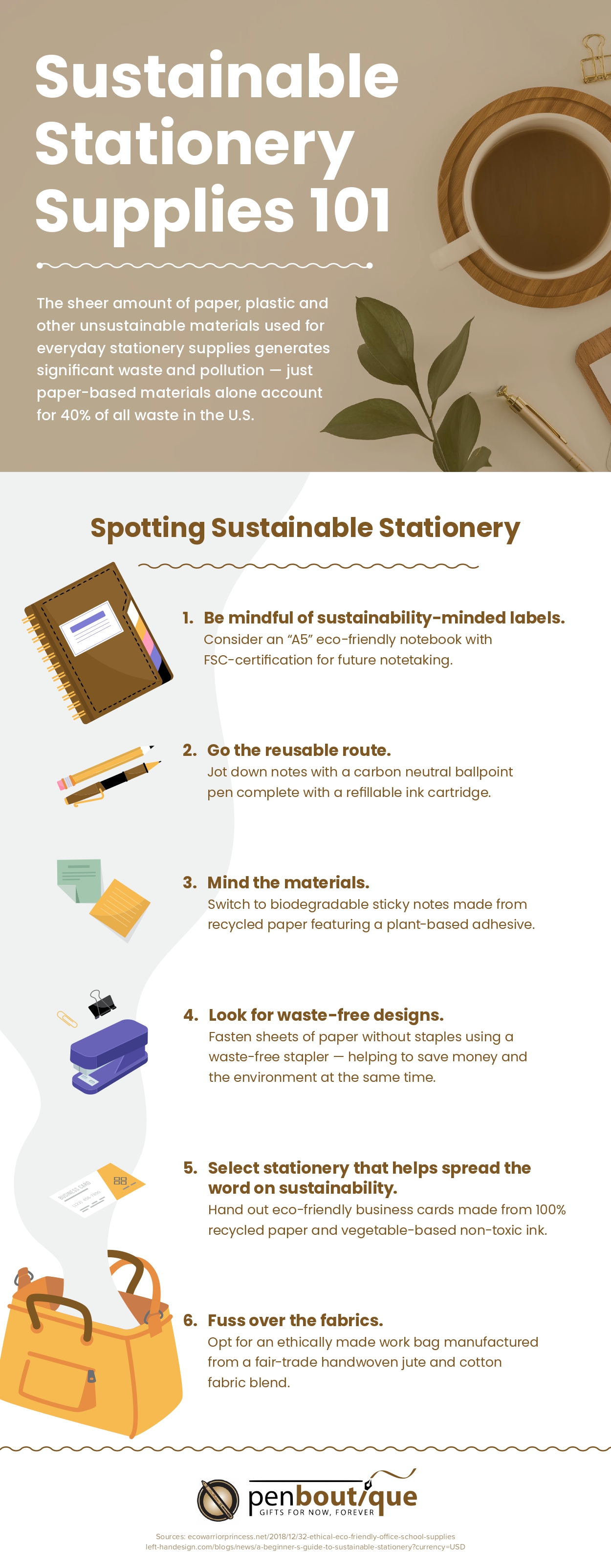
Rarely do people pause to consider the composition of the pen they use or the origin of the paper they write on. However, it’s crucial for all of us to foster heightened awareness of the everyday products we use, including stationery. Whether you’re a parent gearing up for back-to-school shopping or a participant in a new business striving to establish an eco-friendly workplace, there are impactful strategies for sourcing sustainable stationery.

To embark on a more environmentally friendly stationery journey, consider diverse approaches. This involves evaluating how materials are sourced, avoiding plastics in manufacturing and packaging, and opting for natural chemicals over cheaper, toxic alternatives. Unfortunately, the industry lacks comprehensive regulations or an official definition for “environmentally friendly stationery.” Despite this, consumers can navigate the myriad options by paying attention to specific factors.

Start by scrutinizing the packaging, being mindful of terms like plastic-free, recycled, vegan, zero-waste, and green. Certifications such as FSC or B2P carry environmental significance. Another sustainable strategy is utilizing what you already have at home. Unused pens and partially filled notebooks can be just as effective as new ones. Similarly, exploring second-hand options minimizes your environmental impact and reduces clutter.

For further insights into sustainable stationery sourcing, explore the additional resource provided by Pen Boutique.
<
fountain pens for sale

Sustainable Stationery Supplies 101 from Pen Boutique, a provider of fountain pens for sale

div class=”yj6qo”>

Whether you’re eating them, making tea or using them medicinally, you almost certainly know what the fruit of a mushroom is. However, the science behind how mushrooms reproduce and grow is unknown to most. In this article, we’ll take a deeper dive into mushroom spores, the one-cell structure that is a vital part of reproduction for these often tasty and beneficial organisms.

The Science Behind Mushroom Spores: A Closer Look

Let’s start by defining what a fungus is: a yeast, mold or mushroom that can be single-celled (yeast) or multicellular (mushrooms). Though most of these organisms are microscopic, the fruiting bodies of mushrooms are often easily visible to the human eye. Fungi don’t produce their own food, as plants do, but break down food, like animals do. However, their reproduction can happen in multiple ways, as with plants. Mushrooms decompose dead cells of other organisms, typically wood or other plant life.

Now that we know what a fungus is, let’s look more specifically at mushrooms. A mushroom, as most people think of it, is the fruiting body of the organism. Like a fruit, it’s the part of the organism that is grown for reproductive purposes. Rather than creating fruit that bears seeds to produce more plants, however, mushroom fruiting bodies produce spores, a thing of mystery to most. They’re relatively simple, one-celled structures that allow the mushroom to reproduce.

On the most common types of fruiting bodies of mushrooms, you’ll often see gills on the underside of caps, which have microscopic structures called hyphae, which have spores growing from them. One gill will have many hyphae, and each of the hyphae has spores. Other types of mushrooms have structures other than gills, but the process is generally very similar. The hyphae themselves are too large to travel far from the parent mushroom, but spores are tiny and can travel vast distances on small breezes, in water and on or inside insects. This allows the spore to travel to its own food source, making it successful in growth.

A spore is so tiny that 1,000 would easily fit on the head of a pin. As they travel, some of the spores will remain dormant while others will land in areas with appropriate environmental conditions. These can include temperature, chemical compounds, food and sufficient moisture. Germination is a process that takes 20 minutes to 15 hours. These germinated spores will form mycelium into the food source and often exchange nutrients with plant roots nearby in a symbiotic relationship. The mycelium forms the body of the mushroom, which is typically hidden from view.

The spore grows hyphae, the reproductive organs of the mushroom, which are also under the surface of the food source, whether it’s plant matter underground or through the wood of a tree. Fruiting bodies can be formed from this structure, which is why you’ll often find many of the same type of mushroom within an area, but these are genetically identical and do not provide genetic diversity, releasing genetically identical spores unless a mutation has occurred.

Mushrooms can’t create a new life form with unique genetic traits without the hyphae of another mushroom. When two hyphae reach each other and are compatible, a mating point is formed between the two mushrooms. At this point, each mushroom forms a haploid cell. The two haploid cells, one from each parent mushroom, then fuse in a fashion similar to animal fertilization, and new spores are formed with unique genetic traits. Mushroom Spores Syringes can be used for mushroom cultivating as well.

Using Premium mushroom spores, plentiful mushrooms can be produced asexually and sexually and are released from fruiting bodies that are the most commonly recognized part of the organism. They have aspects in their nature that are common to plants and animals while providing decomposition in nature. In this way, mushrooms are truly unique organisms with aspects of both.

Environmental sustainability is becoming a critical issue in the modern world as the world strives to combat the effects of climate change, pollution and resource waste. Industries across the globe are recognizing the need to adopt eco-friendly practices to minimize their ecological footprint. One such innovative solution that contributes significantly to environmental sustainability is dosing systems.

Understanding Dosing Systems

Dosing systems are precision instruments designed to accurately dispense chemicals or substances in controlled amounts. While these systems find applications in various industries, from water treatment to agriculture, their role in environmental sustainability cannot be overstated. The efficiency and precision of dosing systems result in reduced waste, minimized resource consumption, and overall environmental impact.

Reducing Chemical Footprint

One of the primary ways dosing systems contribute to environmental sustainability is by minimizing the chemical footprint. Traditional crafts often use too many chemicals to achieve the desired effect. This not only causes unnecessary consumption of resources, but also increases the risk of pollution.

Dosing systems, on the other hand, allow for precise control over the amount of chemicals used. Whether in wastewater treatment plants, agriculture, or industrial processes, the ability to accurately dose chemicals means that only the necessary amount is applied. These purposeful methods can reduce waste, prevent excessive mining and minimize pollutant emissions into the environment.

Optimizing Resource Efficiency

Environmental sustainability is closely tied to the efficient use of resources. Dosing systems contribute to resource optimization by ensuring that only the required amount of substances is used in a given process. In agriculture, for example, precision farming techniques that involve dosing systems enable farmers to apply fertilizers and pesticides with pinpoint accuracy, reducing excess usage and preventing soil and water contamination.

Water treatment facilities benefit immensely from dosing systems as well. By precisely dosing water treatment chemicals, these systems improve the efficiency of the purification process, reducing the amount of chemicals needed and minimizing the environmental impact of water treatment operations.

Energy Efficiency and Cost Savings

Dosing systems also play a role in promoting energy efficiency and cost savings. Traditional methods of chemical application often require more energy-intensive processes and involve higher operational costs due to excess resource consumption. In contrast, dosing systems streamline processes, leading to reduced energy requirements and overall cost-effectiveness.

For instance, in wastewater treatment plants, dosing systems can be programmed to release chemicals at optimal times and in optimal amounts, leading to energy savings and decreased operational expenses. The rational use of resources is not only beneficial for the environment, but also helps to increase the economic viability of industries that use measurement systems.

Minimizing Environmental Impact in Water Treatment

Water is a precious resource, and its conservation is integral to environmental sustainability. Dosing systems are crucial in water treatment processes, where they contribute to minimizing the environmental impact associated with chemical treatments.

In the context of drinking water and wastewater treatment, dosing systems enable the precise addition of coagulants, flocculants, and disinfectants. This precision ensures that water is treated effectively without the need for excessive chemical usage. As a result, the environmental impact of residual chemicals in treated water is reduced, safeguarding aquatic ecosystems and supporting sustainable water management.

Challenges and Future Developments

While dosing systems offer significant benefits for environmental sustainability, challenges remain. The initial investment cost of installing a measurement system can be a barrier for certain industries, especially smaller ones.However, the long-term gains in resource efficiency, cost savings, and environmental impact reduction often outweigh the upfront costs.

Future developments in dosing systems are likely to focus on enhancing automation, connectivity, and adaptability. Smart dosing systems that can be integrated into larger process control networks are emerging, providing real-time monitoring and adjustment capabilities. These advancements will further improve the efficiency and sustainability of dosing processes.

Conclusion

Environmental sustainability is a global imperative that requires innovative solutions across industries. Dosing systems, with their ability to precisely control the application of chemicals, play a crucial role in reducing waste, optimizing resource usage, and minimizing environmental impact. As industries continue to prioritize sustainable practices, the adoption of dosing systems is likely to increase, contributing to a greener and more sustainable future.

Introduction:

As winter blankets the picturesque landscapes of Minnesota with snow, homeowners often face the challenge of maintaining energy efficiency in the face of harsh weather conditions. However, with the advancement of technology, residential solar panels have emerged as a reliable and sustainable solution to combat the biting cold and keep homes warm while minimizing energy costs. In this article, we explore the benefits of winter-ready solar panels and shed light on how they can transform your Minnesota home into an energy-efficient haven.

Winter Challenges in Minnesota:

Minnesota is no stranger to extreme winter weather, characterized by sub-zero temperatures, heavy snowfall, and shorter daylight hours. These conditions can pose a challenge for traditional energy sources, often resulting in increased utility bills as homeowners strive to keep their homes warm and comfortable. This is where residential solar panels come into play, offering a sustainable and cost-effective alternative.

The Winter-Ready Advantage:

Investing in winter-ready solar panels is a game-changer for Minnesota homeowners looking to harness the power of the sun even in the coldest months. These solar panels are designed to withstand extreme weather conditions, ensuring optimal performance and energy generation throughout the winter season. Key features of winter-ready solar panels include enhanced durability, efficient snow shedding, and improved cold weather performance.

Durability:

Winter-ready solar panels are built to withstand the harshest conditions, including heavy snow loads and freezing temperatures. The panels are equipped with robust materials and construction, ensuring longevity and durability even in the toughest weather.

Efficient Snow Shedding:

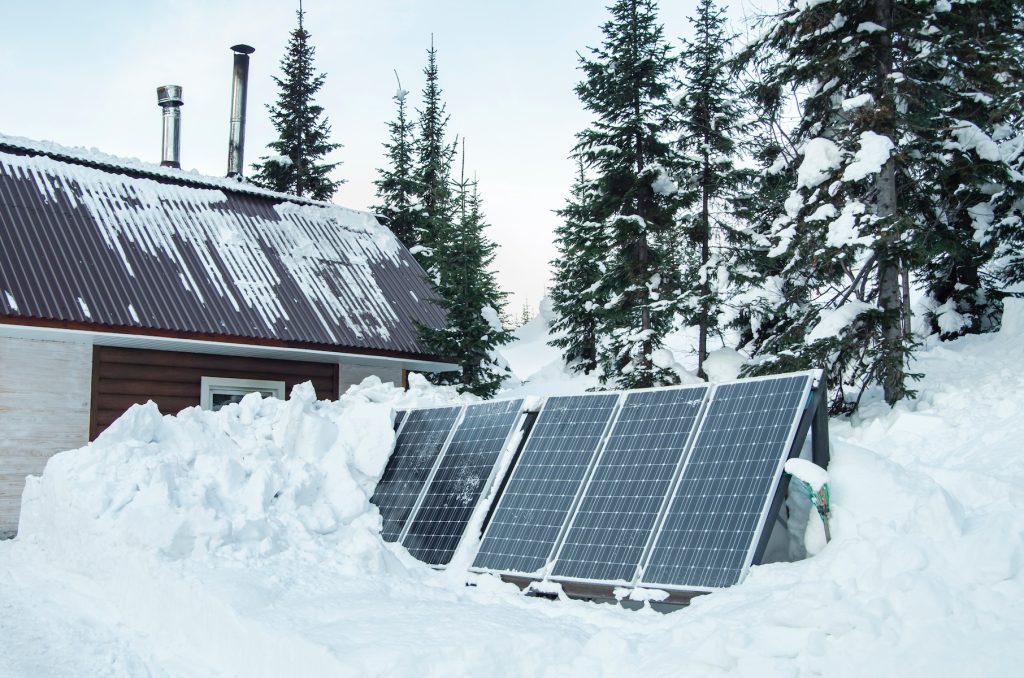
One of the challenges posed by winter is the accumulation of snow on solar panels, hindering their ability to generate electricity. Winter-ready panels are designed with a slope and smooth surface to facilitate the easy shedding of snow. This feature ensures that the panels remain clear and continue to absorb sunlight, maximizing energy production.

Improved Cold Weather Performance:

Traditional solar panels may experience a decrease in efficiency in colder temperatures. Winter-ready panels, on the other hand, are equipped with advanced technologies that enhance their performance in cold weather. These panels are designed to operate efficiently even when temperatures drop significantly, making them an ideal choice for Minnesota’s winter climate.

Choosing a Minnesota Solar Energy Company:

When considering Residential Solar Panels in Minnesota, it’s crucial to partner with a reputable solar energy company. Look for a company with a proven track record in designing and installing solar systems that can withstand the challenges of winter. Research customer reviews, certifications, and the company’s experience in catering to the unique climate conditions of Minnesota.

Government Incentives and Rebates:

Minnesota encourages the adoption of solar energy through various incentives and rebates. Homeowners investing in solar panels may be eligible for federal tax credits, state incentives, and utility rebates. These financial benefits can significantly offset the initial cost of installing solar panels, making them a more accessible and economical choice for homeowners.

Conclusion:

Embracing winter in Minnesota doesn’t mean compromising on energy efficiency. Residential solar panels, especially those designed for winter readiness, offer a sustainable and reliable solution to keep homes warm while reducing energy costs. By investing in the right technology, choosing a trusted Minnesota Solar Energy Company, and taking advantage of available incentives, homeowners can enjoy the benefits of clean and efficient energy even in the coldest months. Winter-ready solar panels are not just a smart choice for the environment; they are an investment in the long-term comfort, sustainability, and financial well-being of your home.

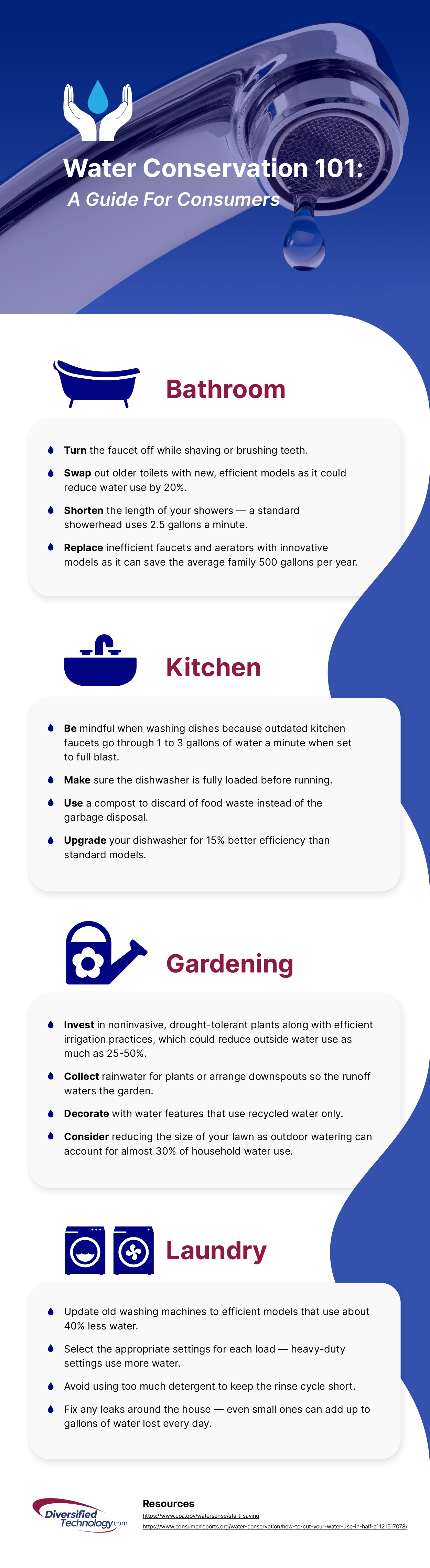
In our contemporary lives, it’s easy to overlook our excessive water consumption. Whether it’s the gallons of water expended during lengthy, hot showers or the substantial amounts required to maintain a lush and vibrant lawn, every drop contributes to significant usage and potential waste. As global drought conditions set new records and wreak havoc, these lifestyle choices become increasingly unsustainable.

Thankfully, there are numerous measures we can adopt to diminish water usage in our homes. Here are some suggestions for conserving water within your household and playing a role in safeguarding our planet’s most precious resource.


municipal fund accounting software

Infographic provided by Diversified Technology, a leading municipal fund accounting software company

Sodium permanganate appears as a purplish-colored, crystalline solid. It is non-combustible but accelerates the burning of combustible material and may spontaneously ignite in contact with sulfuric acid.

The growing need for water treatment is expected to drive demand for this oxidizer in North America and Europe. However, several substitutes and their comparatively high costs will limit market growth in these regions.

High Solubility

Sodium permanganate is a purplish-colored, inorganic chemical compound with the formula NaMnO4. This compound readily dissolves in water and produces deep purple solutions. Evaporation of these solutions gives bright purple-black prismatic crystals. The sodium salt is less hygroscopic than its potassium counterpart, KMnO4.

Unlike other oxidants used in water treatment, sodium permanganate does not reduce aquifer permeability. Among the benefits of using sodium permanganate, is its high solubility, which allows quick and easy application in water treatment systems, including for etching plastic parts.

It is a powerful oxidant that degrades phenols, BTEX, and chlorinated ethers. It also effectively removes hydrogen sulfide. Sodium permanganate can be used to control the odor of wastewater and as an effective preservative in food. This compound can also be used as a treatment for soil, as it can degrade phenols, reduce the concentration of iron in aquifers, and improve aquifer geochemistry. This can prevent clogging and reduce the need for costly cleanup at contaminated sites. It can also help restore aquifers impacted by acid mine drainage.

Antimicrobial

Sodium permanganate acts as a powerful oxidant to treat water and eliminate contamination. Its solubility makes it a safe and easy-to-use product that can be fed into monitoring wells without damaging underground utilities or equipment.

It can be used in water treatment to control taste or odor, deactivate harmful pathogens and bacteria, and reduce iron and manganese. It can also be utilized in industrial waste treatment for odor control, toxic pollutant destruction, and bio-augmentation.

Unlike other chemical oxidants, such as hexachlorobenzene and chlorate, sodium permanganate is non-carcinogenic to humans. Despite this, it can be harmful if ingested or comes into contact with the skin. Symptoms of ingestion can include vomiting, diarrhea, and hepatitis. Communication with the skin can cause redness, blisters, and irritation. Those who work with this chemical should follow the appropriate safety procedures. They should also wear protective equipment and avoid contacting it with their eyes or mucous membranes. This is especially important because sodium permanganate can react with these tissues to cause damage.

Antioxidant

As an oxidizer, sodium permanganate works to deactivate harmful pathogens and bacteria. It also carries out some other beneficial functions, such as controlling taste and odor, removing iron and manganese from water, preventing biological growth in treatment plants, and helping to reduce the formation of disinfection byproducts.

Sodium permanganate is available in both 40% and 20% solution forms. The 40% concentration is mainly used in electronics and for synthesizing fine chemicals, including toluene saccharin and refining O-toluene sulfonamide. The 20% solution form is primarily used in water treatment as an etchant for printed circuitry. Still, it is also an effective oxidizer in industrial applications such as wastewater and soil remediation.

CAP Remediation’s liquid permanganate products are easy to use in water treatment applications because they have high aqueous solubility and are ready to be fed without mixing. They are also easier to accurately measure than powdered permanganate.

Powering our world while preserving the health of our planet has become a paramount concern. In the face of climate change and the dwindling of finite resources, finding reliable energy solutions that prioritize renewable and sustainable sources has never been more important. Luckily, with the rise of green energy initiatives, we have the means to create a greener future for ourselves and future generations. In this article, we will dive into the realm of green energy solutions and explore how they can provide the reliability we need for a sustainable world.

Understanding the Green Energy Initiative

Before we delve into the world of reliable energy solutions, let’s take a moment to understand what clean energy initiatives are all about. Green energy, also known as renewable energy, comes from sources that are naturally replenished and do not deplete the Earth’s resources. These sources include sunlight, wind, water, geothermal heat, and biomass.

Providing Reliable Energy Solutions

When it comes to choosing reliable energy solutions, certain factors need to be considered. To ensure a sustainable and stable energy source, we need solutions that are consistent, scalable, and environmentally friendly.

Sustaining Consistency

A reliable energy solution should deliver a consistent supply without frequent disruptions or downtime. Traditional energy sources, like fossil fuels, often experience interruptions due to fluctuating prices and the potential for geopolitical conflicts. In contrast, green energy sources such as solar power, wind power, hydroelectric power, geothermal energy, and biomass energy deliver a stable and consistent flow of energy, making them more reliable options in the long run.

Scalability to Meet Increasing Demands

As our world develops and energy demands grow, it’s crucial to have energy solutions that can scale accordingly. Green energy sources can be expanded and customized to meet increasing energy demands. Solar power farms can have additional panels installed, wind farms can add more turbines, and hydropower plants can be expanded to harness greater amounts of energy. This scalability factor ensures that green energy can keep up with our evolving needs.

Sustainability without Harming the Environment

Traditional energy sources are notorious for their negative environmental impacts, releasing pollutants and greenhouse gases into the atmosphere. In contrast, green energy solutions offer a sustainable option that preserves the planet’s health. Solar power doesn’t emit harmful gases, wind power doesn’t produce pollution, and hydropower doesn’t generate waste. By choosing green energy, we can significantly reduce our carbon footprint and combat climate change.

Exploring Different Types of Green Energy Solutions

Now that we understand the significance of green energy solutions, let’s explore some of the most commonly adopted types:

Solar Energy

Solar energy harnesses sunlight to generate electricity using photovoltaic panels or concentrated solar power. Solar power is abundant, accessible, and has minimal impact on the environment once the initial infrastructure is in place. Countries like Germany have made significant strides in implementing solar energy initiatives, utilizing rooftops and solar farms to power homes and businesses.

Wind Energy

Wind energy captures the power of moving air using wind turbines. It is a rapidly growing industry with many countries investing in wind farms both onshore and offshore. Denmark is a leading example of leveraging wind energy to meet its electricity demands. The Danish government encourages wind energy development and has set ambitious goals to transition entirely to renewable energy by 2050.

Hydroelectric Power

Hydroelectric power harnesses the energy of moving water to generate electricity. Dams or tidal barrages are built to capture the potential energy of water and convert it into electrical energy. Countries such as Costa Rica have embraced hydroelectric power, utilizing their abundant water resources to achieve a high percentage of renewable energy in their national grid.

Geothermal Energy

Geothermal energy taps into the heat found beneath the Earth’s surface. By drilling deep into the ground, we can access steam and hot water that can be used to generate electricity or for heating purposes. Iceland is a prime example of a country successfully using geothermal energy to meet its heating and electricity needs. The country’s volcanic activity provides an abundant and sustainable heat source.

Biomass Energy

Biomass energy is derived from organic matter, such as plant materials and agricultural waste. This energy source can be used for electricity generation, heating, and cooking. Local communities and industries can employ biomass energy solutions, reducing reliance on fossil fuels and promoting sustainability.

Challenges and Future Outlook for Reliable Green Energy Solutions

While green energy solutions offer immense potential, several challenges need to be addressed to achieve widespread adoption and reliability.

One major challenge is the intermittency of some renewable energy sources. Solar power generation is dependent on sunlight, and wind power production relies on the speed and consistency of wind. Storage technologies, such as advanced batteries and grid management systems, are being developed to address this issue and improve the reliability of green energy.

Another challenge lies in the initial investment required for infrastructure development. Although green energy sources ultimately prove cost-effective in the long run, the initial costs can be barriers for countries and communities with limited resources. Encouraging government policies, subsidies, and private investments are vital to overcome this challenge.

The future outlook for reliable green energy solutions is highly promising. Technological advancements, research, and innovation continue to drive progress in renewable energy generation and storage. As more countries and communities prioritize sustainability, the economic viability and reliability of green energy solutions will only increase.

Conclusion

Powering a greener tomorrow requires reliable energy solutions that prioritize sustainability. Green energy initiatives offer a pathway to achieving this goal by providing consistent, scalable, and environmentally friendly energy sources. By embracing solar power, wind energy, hydroelectric power, geothermal energy, and biomass energy, we can transition to a more sustainable world.

Countries like Denmark, Germany, and Costa Rica have set inspiring examples, showcasing the potential of green energy in delivering reliable solutions. While challenges still exist, continuous advancements in technology and supportive policies will pave the way for a future powered by sustainable and reliable green energy solutions. By making conscious choices and supporting renewable energy initiatives, we can create a greener planet for ourselves and future generations.

Several species of trees are known for their fast growth rate, and paulownia is one of them. The tree is also widely known as the Empress Tree and the Princess Tree. The tree is native to China, Korea, and Japan. However, now considering its benefits, it is being cultivated in many regions around the globe.

Key features of the Empress Tree

Paulownia Tree has many unique features, and this is the reason why the market of plantation-grown Princess trees is expanding speedily. If you are looking forward to growing and selling this wonderful tree, it is best to seek some professional advice from Paulownia Energy. They offer individual approaches to every customer, as well as help in selecting the best tree species considering the customer’s climate zone. To develop a project in Europe, consider calling them.

Some of the characteristics of the Empress tree worth knowing are:

  • Speedy growth rate: The tree grows about 10 to 15 feet in a single season, and reaches its maturity in just a span of 5 to 7 years. This fast growth rate makes it a perfect option for timber production. Also, it is an ideal choice for reforestation projects.
  • Size and shape: Typically, the Princess tree will reach a height of 30 to 60 feet, and will spread about 20 to 30 feet. These trees have a straight cylindrical trunk and a broad spreading crown.
  • Leaves: Most species of empress trees have dark green leaves of heart shape. These leaves are soft to the touch and grow up to 12 inches.
  • Flowers: The tree produces attractive large fragrant clusters of lavender flowers in Spring.
  • Timber: The timber of the Empress tree is very lightweight yet strong and durable. It is perfect for making furniture. Also, it is used for veneer, pulp, and other industrial applications.
  • Medicinal properties: the tree is known to have anti-inflammatory and antimicrobial properties.

There are even such species of the Empress tree that are specifically cultivated for their ornamental beauty. Paulownia Elongate is one of them. You will find this beautiful tree with purple flowers and big leaves in many gardens and parks.

Paulownia Wood

Just like any other tree, the Empress tree is mainly cultivated for its timber. If you plan to grow paulownia for its timber, you will be happy to know that it can be used in a variety of applications like furniture making, construction, musical instruments, etc. Some of the characteristics that make this timber unique are:

  • Lightweight: It is easy to handle, transport, and work with it.
  • Sturdiness: It exhibits surprising strength, and thus can be used in the field of construction.
  • Straight grain: Its appealing straight grain makes it ideal for use in furniture and cabinetry, as well as in high-end woodworking projects.
  • Stability: The Paulownia wood is resistant to bending, cracking, and splitting. This makes it suitable for both indoor and outdoor applications.
  • Versatile: The timber is easy to paint and stain. This means it is possible to achieve any look and style.

There you go. Now you know enough about the Empress trees. Nevertheless, if you wish to know more, do check out the Official Facebook Profile of Paulownia Energy. They regularly post educational videos that are worth watching.

Geotechnical surveys play a vital role in the field of civil engineering and construction. These surveys provide crucial information about the soil and rock properties at a site, enabling engineers to make informed decisions and design structures that can withstand the forces of nature. This article explores the usefulness of geotechnical surveys, highlighting their importance in ensuring the safety, stability, and longevity of construction projects.

Understanding the Subsurface Conditions

Geotechnical surveys involve comprehensive investigations of the subsurface conditions at a construction site. By drilling boreholes and extracting soil samples, geotechnical engineers gain insights into the physical and mechanical properties of the soil and rock layers.

These properties include bearing capacity, permeability, shear strength, and settlement characteristics. Understanding these subsurface conditions is crucial for determining the type and depth of foundations required for a project.

Foundation Design and Stability Assessment

One of the primary applications of geotechnical surveys is in foundation design. The information gathered from these surveys helps engineers select the appropriate foundation system that can adequately support the intended structure.

By analyzing soil samples and conducting laboratory tests, geotechnical engineers assess the load-bearing capacity of the soil, which directly influences the design of foundations. This information ensures that the foundations are strong and stable, preventing structural failures or excessive settlement.

Assessing Slope Stability and Earthworks

Geotechnical surveys are essential for evaluating slope stability, especially in hilly or mountainous regions. Through detailed investigations of soil and rock properties, engineers can identify potential slope failures or landslides.

By analyzing factors such as slope angles, soil composition, and groundwater conditions, geotechnical surveys provide valuable data to assess the stability of slopes. This information allows engineers to implement appropriate stabilization measures and design safe earthworks.

Identifying Geological Hazards

Another crucial aspect of geotechnical surveys is their ability to identify geological hazards that could affect construction projects. By examining the geological history and characteristics of a site, engineers can identify potential risks such as earthquakes, subsidence, or sinkholes. This information enables the implementation of appropriate mitigation strategies to ensure the safety of structures and the surrounding environment.

Supporting Infrastructure Planning

Geotechnical surveys also play a vital role in infrastructure planning and development. Before constructing highways, bridges, or tunnels, geotechnical investigations are conducted to assess the soil and rock conditions along the proposed route.

This helps engineers identify potential challenges and design appropriate foundations and earthworks. Geotechnical surveys contribute to the overall feasibility and cost-effectiveness of infrastructure projects by providing essential data for planning and design phases.

Conclusion

Geotechnical surveys are indispensable tools in the construction industry. By providing critical information about subsurface conditions, these surveys contribute to the safety, stability, and durability of structures. From foundation design to slope stability assessment, geotechnical surveys ensure that engineers make informed decisions based on reliable data.

By mitigating geological hazards and supporting infrastructure planning, these surveys play a pivotal role in the success of construction projects. Their value lies in their ability to uncover the hidden foundations beneath the ground, ensuring that our built environment stands strong for years to come.