Category

Business

Category

In today’s eco-conscious society, many companies, notably IT organizations, are adopting sustainable practices. Company swag, branded products provided as staff gifts or at conferences and events is gaining notice. Swag is a fantastic notion, but conventional items might harm the earth. IT companies must overcome specific challenges when adopting sustainable swag.

The Environmental Cost of Traditional Swag

Tradition swag is often made from cotton, plastic, and electronics. These substances harm the ecosystem in many ways:

  • These materials often require large amounts of water and fossil fuels.
  • Production chemicals can pollute the air and water.
  • Both conventional swag and its packaging contribute to landfill garbage.
  • Many conventional gifts are hard to recycle or compost, adding to environmental stress.

Sustainable Swag Adoption Challenges

IT companies should adopt sustainable swag for numerous reasons, yet there are several barriers:

Higher Initial Costs

Sustainable materials may cost more than conventional ones. Businesses with limited funds may be deterred. The long-term benefits, such as brand awareness and environmental impact reduction may justify the higher cost.

Finding Reliable Suppliers

Finding sustainable items requires careful research. Businesses should watch out for “green-washing,” when a product is marketed as sustainable yet doesn’t fulfil standards. Trustworthy providers who follow green business standards are vital.

Limited Product Diversity

Sustainable options may have less customization and diversity than typical swag. It can be tough for firms to offer unique items while maintaining brand identification. Demand for eco-friendly products is growing, therefore the industry is continually evolving and diversifying.

Lack of Awareness

Not all employees are aware of the benefits of sustainable alternatives or the environmental impact of traditional gifts. Awareness through internal communications and education can help win support for the change.

Employee Perception

Regular freebies may seem more appealing or better than sustainable choices. Businesses can tackle this by choosing high-quality, well-planned sustainable solutions and highlighting their environmental benefits.

Techniques for Overcoming Obstacles

Despite these challenges, IT companies can develop sustainable good practices using these methods:

Conduct a Cost-Benefit Analysis

Although upfront costs may be higher, consider long-term benefits including enhanced employee morale, brand reputation, and possible garbage disposal cost reductions.

Cooperate with Green Vendors

Collaborate with trusted vendors who use eco-friendly materials and transparent production methods.

Allow Creativity

Consider innovative environmental alternatives like recycled-material goods, reusable water bottles, and seed packs.

Inform and Involve

Teach staff about sustainable alternatives and the environmental impact of traditional freebies.

Prioritize Quality and Design

Premium, well-made sustainable products can remove the impression that it’s ugly.

Conclusion

IT firms may struggle to adopt sustainable swag, but it has environmental and marketing benefits. IT firms may contribute to a greener future while retaining brand identity and employee engagement by acknowledging difficulties, investigating solutions, and applying strategic initiatives. IT firms may demonstrate their environmental responsibility and improve the planet by pursuing sustainability in all elements of their operations, including swag.


Choosing the right pump for your needs is crucial, especially when it comes to water management or industrial applications. One name that stands out in this domain is Franklin Pumps. In this article, we’ll guide you through the process of selecting the ideal Franklin Pump for your specific requirements.

Why Franklin Pumps?

Franklin Pumps have earned their reputation as industry favorites for good reasons. They are known for their efficiency, reliability, and durability. Whether you need a pump for residential, commercial, or industrial use, Franklin Pumps have got you covered. Now, let’s delve into the five easy steps to help you make an informed decision.

1. Determine Your Pumping Needs

The first step in choosing the right Franklin Pump is to identify your specific requirements. Are you looking to pump water from a well for household use, or do you need a pump for an industrial application? Understanding your pumping needs is crucial as it will dictate the type and capacity of the pump you require.

For example, John, a farmer in rural Texas, needed a Franklin Pump to draw water from a deep well for irrigation purposes. His requirement was a high-capacity submersible pump.

2. Consider the Pump Type

Franklin Electric offers a wide range of pump types to cater to various applications. Common types include submersible pumps, centrifugal pumps, and jet pumps. Each type serves a different purpose, so it’s essential to choose one that suits your needs.

In the case of John, a submersible pump was the perfect choice as it could efficiently draw water from the deep well and provide consistent irrigation for his crops.

3. Evaluate the Pump Size and Capacity

Once you’ve determined the type of pump you need, it’s time to consider its size and capacity. Franklin Pumps come in various sizes, and the right size will depend on factors such as the depth of your well, the volume of water required, and the distance it needs to be pumped.

John’s deep well required a submersible pump with a large capacity to ensure a steady supply of water for his extensive fields.

4. Assess Energy Efficiency

Energy efficiency is a critical factor to consider, especially for long-term cost savings and sustainability. Franklin Electric pumps are known for their energy-efficient designs, helping you save on electricity bills while reducing your environmental footprint.

John was pleased to find that Franklin Pumps offered energy-efficient solutions, which not only saved him money but also aligned with his commitment to sustainable farming practices.

5. Consult with Experts and Read Reviews

Before finalizing your choice, it’s always a good idea to consult with experts in the field and read customer reviews. These real-life experiences and expert insights can provide valuable information and help you make an informed decision.

John sought advice from a local pump specialist who recommended Franklin Pumps based on their reputation for reliability and performance. He also read reviews from other farmers who had achieved great results with Franklin Pumps.

In conclusion, choosing the right Franklin Pump involves a careful evaluation of your needs, considering the pump type, size, capacity, energy efficiency, and seeking expert advice. By following these five easy steps, you can confidently select the ideal Franklin Pump for your specific application.

So, whether you’re a farmer like John or have different water management needs, Franklin Pumps have the solutions you require.

By making an informed choice, you can ensure efficient and reliable water pumping solutions for your home, business, or industry, ultimately saving you time, money, and resources.


Are you considering harnessing the power of the sun to fuel your home in the Garden State? The prospect of installing solar panels in New Jersey is an exciting one, but understanding the costs involved is crucial. In this guide, we’ll delve into the factors that influence the cost of solar installation in New Jersey, shedding light on solar services available in the state and helping you make an informed decision.

Understanding Solar Services in New Jersey

When it comes to solar services in New Jersey, it’s important to recognize the diverse range of options available. From solar panel installation companies to comprehensive solar solutions providers, the market is ripe with choices. These services aim to make the transition to solar power seamless, offering expertise in the design, installation, and maintenance of solar systems.

Factors Influencing Solar Installation Costs

  • System Size: The size of the solar system directly impacts the installation cost. Larger systems generally require more panels and components, leading to a higher upfront investment.
  • Energy Needs: Your energy consumption plays a pivotal role in determining the size of the solar system required. A thorough assessment of your energy needs ensures that the installed system aligns with your household or business requirements.
  • Location: New Jersey’s unique geographical and climatic conditions influence the efficiency of solar panels. Understanding how these factors impact solar energy production is crucial for accurate cost estimation.
  • Incentives and Rebates: New Jersey offers various incentives and rebates to promote solar adoption. Exploring these programs can significantly offset installation costs and make solar power more affordable.

Choosing the Right Solar Panel Company in New Jersey

Selecting a reputable solar panel company in New Jersey is a critical step in the installation process. Consider the following factors:

  • Experience: Look for companies with a proven track record in solar panel installation. Experience often translates to expertise and reliability.
  • Customer Reviews: Reading reviews from other New Jersey residents who have gone solar can provide insights into the company’s performance and customer satisfaction.
  • Certifications: Ensure that the solar company is accredited and employs certified professionals. This ensures compliance with industry standards and quality assurance.

Conclusion

As you embark on your journey to harness solar energy in New Jersey, understanding the costs associated with installation is key. By exploring the diverse solar services available in the state and considering the factors that influence installation costs, you can make a well-informed decision. Remember, choosing a reliable solar company in Connecticut and New Jersey is as important as understanding the financial aspects, ensuring a smooth transition to clean and sustainable energy for your home or business.

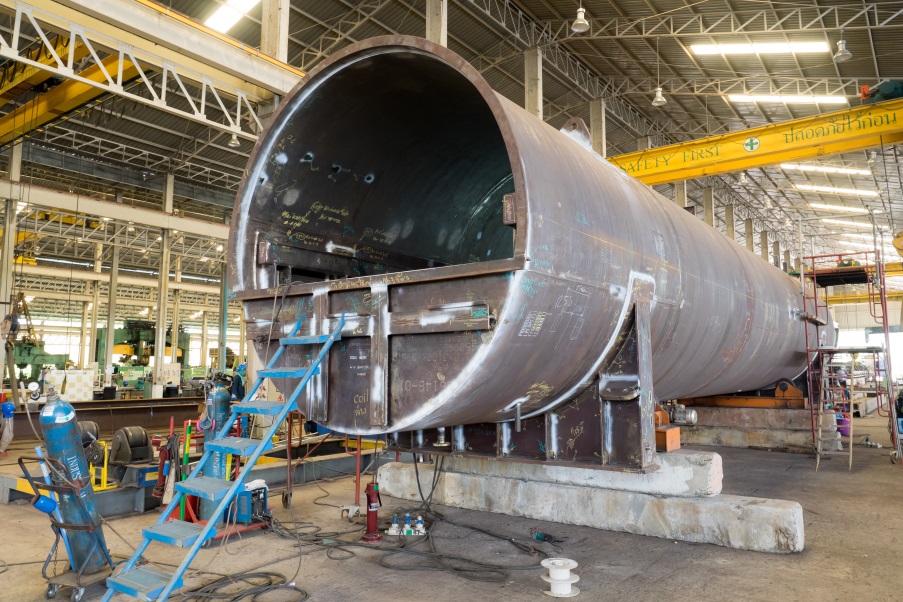
Pressure vessels are ubiquitous in our daily lives, from the propane tanks we use for our barbecues to the boilers that heat our homes. They are also critical components in a variety of industries, including oil and gas, chemical processing, and power generation. But what exactly are pressure vessels and how do they work? This blog post will delve into the fascinating world of the pressure vessel fabrication process, and how fabricators like ProProcess Fabrication, an ISO 3834 certified company, play a crucial role in their production.

What are Pressure Vessels?

Pressure vessels are containers designed to hold gases or liquids at a pressure substantially different from the ambient pressure. They have a variety of shapes such as spheres, cylinders or cones and are typically made from steel or composite materials. The design and manufacture of these vessels must adhere to strict regulations and standards due to the potential risks associated with their operation.

The Working Principle of Pressure Vessels

Pressure vessels work on a simple principle: they contain and control pressure differentials. If you’ve ever pumped air into a bicycle tire or used a pressure cooker, you’ve seen this principle in action. When gas or liquid is pumped into a vessel, it becomes pressurized. This means there’s more substance packed into the space inside the vessel than there would be under normal atmospheric conditions.

The walls of the pressure vessel provide the necessary containment to withstand this internal pressure. If designed correctly, these walls distribute the force exerted by the contained substance evenly throughout its structure. This allows it to safely contain high-pressure substances without rupturing.

Fabrication Process of Pressure Vessels

The fabrication process for pressure vessels involves several steps that must be executed with precision to ensure safety and efficiency. The first step is designing the vessel according to its intended use and applicable regulations. This includes selecting suitable materials and determining appropriate wall thicknesses.

Next comes cutting and shaping these materials into parts that will form the body of the vessel. These parts are then assembled using welding techniques that ensure strong bonds capable of withstanding high pressures.

Once assembled, each vessel undergoes rigorous testing to verify its integrity under operating conditions before it is finally painted or coated for corrosion resistance.

Role of Fabricators like ProProcess Fabrication

Fabricators like ProProcess Fabrication play an essential role in creating safe and efficient pressure vessels. As an ISO 3834 certified company, ProProcess Fabrication adheres to stringent quality requirements throughout their fabrication process.

This certification ensures that all welding processes used by ProProcess Fabrication meet international standards for quality assurance in fusion welding of metallic materials – a critical aspect in producing reliable pressure vessels.

ProProcess Fabrication’s team has extensive experience in designing and manufacturing custom-made pressure vessels for various industries – ensuring optimal performance under specific operating conditions while adhering strictly to safety standards.

Conclusion

Understanding how pressure vessels work provides insight into their importance across various industries – from domestic uses like heating water to industrial applications such as storing gases under high pressures. The fabrication process requires expertise not only in design but also material selection, assembly techniques, testing procedures – all areas where fabricators like ProProcess Fabrication excel due to their ISO 3834 certification.

In essence, every time we benefit from hot water at home or fuel up our cars at gas stations – we have well-designed and fabricated pressure vessels working behind-the-scenes – making our lives easier while keeping us safe.

We get to see how many individuals nowadays are becoming more and more concerned about sustainability. And, the same is the case with the corporate sphere as well, isn’t it? Of course, it is! Remember that our lives and the fate of all other creatures on the earth are still being impacted by climate change. And, to curb that, sustainable business practices are quickly becoming essential for company owners, managers, and executives.

When we talk about sustainability in business, recognizing the issue in question and how crucial it is to implement adjustments for the company and the world is the first step. Remember that the goal of this concept is to assist business owners, managers, and executives in increasing environmental awareness inside their firms.

Business Sustainability Plan: What Does It Mean?

As we are talking about business sustainability, let us first understand what a business sustainability plan means, shall we? Well, we can say that a company simply creates a business sustainability strategy to attain objectives that promote economic, social, and environmental sustainability.

It’s considered to be fruitful for business because taking these measures toward sustainability is for the mutual benefit of the ecosystem, the company owner, and the customer. And, we all are well aware of the fact that businesses have a huge influence on people and resources.

Thus, when businesses develop a sustainability plan, it inspires society and benefits the companies as well. Sustainability consultants can effectively help an organization create sustainable solutions and move towards their business goals.

Business Sustainability: What are the Ethics of a Sustainable Business?

Now that we are familiar with what a sustainable business plan means, let’s dig a bit deeper and understand what are the ethics of a sustainable business. Keep in mind that an ecologically aware company thinks about its influence on the community and the planet in addition to its financial performance.

Such a corporation is sustainable since it helps maintain the integrity of the building in which it works. And, at the same time, it creates a setting in which the company can flourish and be successful.

It won’t be wrong to say that a sustainable company follows the triple bottom line. It’s a concept that was first introduced in 1994 by John Elkington. You need to keep in mind that profits, people, and the environment are the triple bottom line’s three pillars.

Thus, we can say that a sustainable business makes money while using the earth’s resources rationally and being ecologically conscious.

Developing a Sustainability Plan: How Does It Benefit Small Businesses?

When you own a small business or launch a new one, your main aim is to make it successful, isn’t it? Well, of course, it is! So, why not make it successful while keeping the planet in mind? Let us guide you through some of the benefits that a sustainability plan provides small businesses with.

Helps You Leave the Competitors Behind

Remember that the best companies are those that can outcompete their rivals. But, only those that distinguish themselves can successfully build and extend their businesses when there are so many company owners vying for the same clientele.

And, in this environmentally conscious world, some clients will only visit your business or make purchases from you if you adhere to environmental ethics and regulations.

It Reduces the Costs

Every business wants to cut its costs and maximize profit, don’t they? Well, obviously yes! So, when you run a small organization and incorporate a small business sustainability plan, it’ll reduce your overall costs. For example, using five-star lights in your company will save energy and reduce your electricity bill.

Allows Your Business to Comply with Regulations

It’s a fact that most governments are moving in to fix the issues as a result of the ongoing uproar regarding environmental damage and the role that industries play in this deterioration. And, this has further resulted in the establishment of many environmental regulations intended to help industries and companies run properly without having a harmful impact on the environment.

It becomes simpler to comply with these regulations when your company concentrates on its sustainability and long-term performance.

Final Thoughts

It won’t be wrong to say that the concept of sustainability has gained the limelight. You’ll hardly find anyone nowadays who’s not familiar with it. So, when you incorporate a small business sustainability plan in your business strategy, it makes your company appear as an environmentally conscious one in the eyes of the customers.