
Author

Samuel Bonner

Browsing

Whether you’re eating them, making tea or using them medicinally, you almost certainly know what the fruit of a mushroom is. However, the science behind how mushrooms reproduce and grow is unknown to most. In this article, we’ll take a deeper dive into mushroom spores, the one-cell structure that is a vital part of reproduction for these often tasty and beneficial organisms.

The Science Behind Mushroom Spores: A Closer Look

Let’s start by defining what a fungus is: a yeast, mold or mushroom that can be single-celled (yeast) or multicellular (mushrooms). Though most of these organisms are microscopic, the fruiting bodies of mushrooms are often easily visible to the human eye. Fungi don’t produce their own food, as plants do, but break down food, like animals do. However, their reproduction can happen in multiple ways, as with plants. Mushrooms decompose dead cells of other organisms, typically wood or other plant life.

Now that we know what a fungus is, let’s look more specifically at mushrooms. A mushroom, as most people think of it, is the fruiting body of the organism. Like a fruit, it’s the part of the organism that is grown for reproductive purposes. Rather than creating fruit that bears seeds to produce more plants, however, mushroom fruiting bodies produce spores, a thing of mystery to most. They’re relatively simple, one-celled structures that allow the mushroom to reproduce.

On the most common types of fruiting bodies of mushrooms, you’ll often see gills on the underside of caps, which have microscopic structures called hyphae, which have spores growing from them. One gill will have many hyphae, and each of the hyphae has spores. Other types of mushrooms have structures other than gills, but the process is generally very similar. The hyphae themselves are too large to travel far from the parent mushroom, but spores are tiny and can travel vast distances on small breezes, in water and on or inside insects. This allows the spore to travel to its own food source, making it successful in growth.

A spore is so tiny that 1,000 would easily fit on the head of a pin. As they travel, some of the spores will remain dormant while others will land in areas with appropriate environmental conditions. These can include temperature, chemical compounds, food and sufficient moisture. Germination is a process that takes 20 minutes to 15 hours. These germinated spores will form mycelium into the food source and often exchange nutrients with plant roots nearby in a symbiotic relationship. The mycelium forms the body of the mushroom, which is typically hidden from view.

The spore grows hyphae, the reproductive organs of the mushroom, which are also under the surface of the food source, whether it’s plant matter underground or through the wood of a tree. Fruiting bodies can be formed from this structure, which is why you’ll often find many of the same type of mushroom within an area, but these are genetically identical and do not provide genetic diversity, releasing genetically identical spores unless a mutation has occurred.

Mushrooms can’t create a new life form with unique genetic traits without the hyphae of another mushroom. When two hyphae reach each other and are compatible, a mating point is formed between the two mushrooms. At this point, each mushroom forms a haploid cell. The two haploid cells, one from each parent mushroom, then fuse in a fashion similar to animal fertilization, and new spores are formed with unique genetic traits. Mushroom Spores Syringes can be used for mushroom cultivating as well.

Using Premium mushroom spores, plentiful mushrooms can be produced asexually and sexually and are released from fruiting bodies that are the most commonly recognized part of the organism. They have aspects in their nature that are common to plants and animals while providing decomposition in nature. In this way, mushrooms are truly unique organisms with aspects of both.

Environmental sustainability is becoming a critical issue in the modern world as the world strives to combat the effects of climate change, pollution and resource waste. Industries across the globe are recognizing the need to adopt eco-friendly practices to minimize their ecological footprint. One such innovative solution that contributes significantly to environmental sustainability is dosing systems.

Understanding Dosing Systems

Dosing systems are precision instruments designed to accurately dispense chemicals or substances in controlled amounts. While these systems find applications in various industries, from water treatment to agriculture, their role in environmental sustainability cannot be overstated. The efficiency and precision of dosing systems result in reduced waste, minimized resource consumption, and overall environmental impact.

Reducing Chemical Footprint

One of the primary ways dosing systems contribute to environmental sustainability is by minimizing the chemical footprint. Traditional crafts often use too many chemicals to achieve the desired effect. This not only causes unnecessary consumption of resources, but also increases the risk of pollution.

Dosing systems, on the other hand, allow for precise control over the amount of chemicals used. Whether in wastewater treatment plants, agriculture, or industrial processes, the ability to accurately dose chemicals means that only the necessary amount is applied. These purposeful methods can reduce waste, prevent excessive mining and minimize pollutant emissions into the environment.

Optimizing Resource Efficiency

Environmental sustainability is closely tied to the efficient use of resources. Dosing systems contribute to resource optimization by ensuring that only the required amount of substances is used in a given process. In agriculture, for example, precision farming techniques that involve dosing systems enable farmers to apply fertilizers and pesticides with pinpoint accuracy, reducing excess usage and preventing soil and water contamination.

Water treatment facilities benefit immensely from dosing systems as well. By precisely dosing water treatment chemicals, these systems improve the efficiency of the purification process, reducing the amount of chemicals needed and minimizing the environmental impact of water treatment operations.

Energy Efficiency and Cost Savings

Dosing systems also play a role in promoting energy efficiency and cost savings. Traditional methods of chemical application often require more energy-intensive processes and involve higher operational costs due to excess resource consumption. In contrast, dosing systems streamline processes, leading to reduced energy requirements and overall cost-effectiveness.

For instance, in wastewater treatment plants, dosing systems can be programmed to release chemicals at optimal times and in optimal amounts, leading to energy savings and decreased operational expenses. The rational use of resources is not only beneficial for the environment, but also helps to increase the economic viability of industries that use measurement systems.

Minimizing Environmental Impact in Water Treatment

Water is a precious resource, and its conservation is integral to environmental sustainability. Dosing systems are crucial in water treatment processes, where they contribute to minimizing the environmental impact associated with chemical treatments.

In the context of drinking water and wastewater treatment, dosing systems enable the precise addition of coagulants, flocculants, and disinfectants. This precision ensures that water is treated effectively without the need for excessive chemical usage. As a result, the environmental impact of residual chemicals in treated water is reduced, safeguarding aquatic ecosystems and supporting sustainable water management.

Challenges and Future Developments

While dosing systems offer significant benefits for environmental sustainability, challenges remain. The initial investment cost of installing a measurement system can be a barrier for certain industries, especially smaller ones.However, the long-term gains in resource efficiency, cost savings, and environmental impact reduction often outweigh the upfront costs.

Future developments in dosing systems are likely to focus on enhancing automation, connectivity, and adaptability. Smart dosing systems that can be integrated into larger process control networks are emerging, providing real-time monitoring and adjustment capabilities. These advancements will further improve the efficiency and sustainability of dosing processes.

Conclusion

Environmental sustainability is a global imperative that requires innovative solutions across industries. Dosing systems, with their ability to precisely control the application of chemicals, play a crucial role in reducing waste, optimizing resource usage, and minimizing environmental impact. As industries continue to prioritize sustainable practices, the adoption of dosing systems is likely to increase, contributing to a greener and more sustainable future.

Geotechnical surveys play a vital role in the field of civil engineering and construction. These surveys provide crucial information about the soil and rock properties at a site, enabling engineers to make informed decisions and design structures that can withstand the forces of nature. This article explores the usefulness of geotechnical surveys, highlighting their importance in ensuring the safety, stability, and longevity of construction projects.

Understanding the Subsurface Conditions

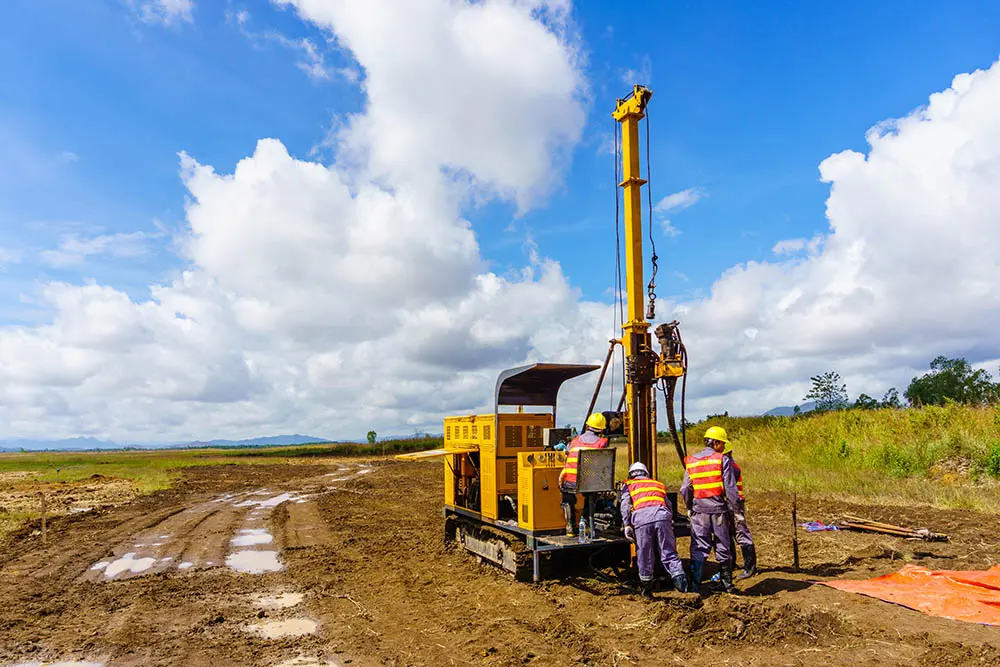
Geotechnical surveys involve comprehensive investigations of the subsurface conditions at a construction site. By drilling boreholes and extracting soil samples, geotechnical engineers gain insights into the physical and mechanical properties of the soil and rock layers.

These properties include bearing capacity, permeability, shear strength, and settlement characteristics. Understanding these subsurface conditions is crucial for determining the type and depth of foundations required for a project.

Foundation Design and Stability Assessment

One of the primary applications of geotechnical surveys is in foundation design. The information gathered from these surveys helps engineers select the appropriate foundation system that can adequately support the intended structure.

By analyzing soil samples and conducting laboratory tests, geotechnical engineers assess the load-bearing capacity of the soil, which directly influences the design of foundations. This information ensures that the foundations are strong and stable, preventing structural failures or excessive settlement.

Assessing Slope Stability and Earthworks

Geotechnical surveys are essential for evaluating slope stability, especially in hilly or mountainous regions. Through detailed investigations of soil and rock properties, engineers can identify potential slope failures or landslides.

By analyzing factors such as slope angles, soil composition, and groundwater conditions, geotechnical surveys provide valuable data to assess the stability of slopes. This information allows engineers to implement appropriate stabilization measures and design safe earthworks.

Identifying Geological Hazards

Another crucial aspect of geotechnical surveys is their ability to identify geological hazards that could affect construction projects. By examining the geological history and characteristics of a site, engineers can identify potential risks such as earthquakes, subsidence, or sinkholes. This information enables the implementation of appropriate mitigation strategies to ensure the safety of structures and the surrounding environment.

Supporting Infrastructure Planning

Geotechnical surveys also play a vital role in infrastructure planning and development. Before constructing highways, bridges, or tunnels, geotechnical investigations are conducted to assess the soil and rock conditions along the proposed route.

This helps engineers identify potential challenges and design appropriate foundations and earthworks. Geotechnical surveys contribute to the overall feasibility and cost-effectiveness of infrastructure projects by providing essential data for planning and design phases.

Conclusion

Geotechnical surveys are indispensable tools in the construction industry. By providing critical information about subsurface conditions, these surveys contribute to the safety, stability, and durability of structures. From foundation design to slope stability assessment, geotechnical surveys ensure that engineers make informed decisions based on reliable data.

By mitigating geological hazards and supporting infrastructure planning, these surveys play a pivotal role in the success of construction projects. Their value lies in their ability to uncover the hidden foundations beneath the ground, ensuring that our built environment stands strong for years to come.

Voters in Denver, Colorado will be voting on a ballot initiative in November 2022, an initiative designed to reduce municipal waste by requiring every business within city limits to recycle and compost. Known as ‘Waste No More’, its proponents are convinced that passing it will reduce municipal waste in the city.

There is no way to know whether it will until it passes. Between now and then, it is important that Denver residents look closely at the proposition and its language in order to fully understand what passing it would mean.

Unfortunately, there has long been a disconnect between what people believe about recycling and what actually happens on the ground. Even composting is not all it’s cracked up to be. It can achieve its intended purpose but composting certainly isn’t a panacea for dealing with organic waste.

Waste No More Basics

Waste No More would require owners of multi-unit apartment buildings to provide recycling bins for residents. Right now, they can get away with trash bins alone. Likewise, the proposition would also require all businesses within city limits to contract for compost and recycling alongside their waste disposal.

This would essentially mean that restaurants, hotels, and even manufacturing plants would have to require staff members to separate recyclable and compostable materials so trash haulers could take them away. The trash haulers would then do for the businesses what they do for residential households.

When residential recycling trucks collect tons of material they haul to the local recycling facility, what happens to those materials? How much actually gets recycled as opposed to being sent to landfills or incinerators?

How Recycling Programs Work

Residential recycling programs are very successful in terms of paper and glass. Both materials are easily recoverable and have a strong market for recycling. On the other hand, consumer plastics are a money-losing enterprise. Nearly all the plastic the world generates ends up being disposed of because recycling it is not economically viable.

That is as true in Denver as it is anywhere else in the world. So the Waste No More ballot initiative may very well result in more paper and glass being recycled. It will probably result in more organic waste being composted. But it will not do much, if anything, for plastic. At the end of the day, isn’t that what this is all about?

Paper quickly biodegrades in a landfill. Generally speaking, it doesn’t harm the environment either. The same with organic waste. Glass doesn’t easily biodegrade, but it is also not environmentally harmful. So this all boils down to plastic. And unfortunately, collecting more plastic and sending it to a recycling center will not actually reduce the volume of plastic going to incinerators and landfills.

Cheap Recycled Plastic Sells

Seraphim Plastics is a Tennessee company that buys and recycles industrial scrap plastic in seven states. Their business model works because they can produce cheap plastic regrind at a very reasonable price. The regrind is attractive to manufacturers because it is inexpensive. Furthermore, it cuts production costs by reducing the amount of virgin plastic manufacturers have to buy.

So why don’t residential recycling programs generate the same results? Because recycling programs that require manual sorting are too costly. The added costs have to be rolled into any resulting material sold to manufacturers. That makes it too expensive to buy. It is cheaper just to buy virgin plastic.

The chances of Waste No More passing this November 2022 are pretty good. Whether or not waste is actually reduced remains to be seen. We will have enough data a few years from now to make that call.

For companies across the globe, it is becoming increasingly important to operate in a sustainable and environmentally friendly way. One of the most efficient ways for a company to operate more sustainably is through a reduction of waste and through the use of environmentally friendly packaging materials. Especially the latter has become an important focus throughout the past years. This is no surprise, considering that a major part of the waste produced every year comes from disposable non-sustainable packaging materials.

When companies move towards using sustainable packaging materials that can be recycled or, in some cases, be reused, it can make a major difference. Luckily, more and more companies are making a move towards green packaging already. Instead of using the traditional packaging materials that were often made from harmful plastics, they choose a greener alternative such as glass or aluminum. By doing so, their ecological footprint reduces dramatically.

Throughout this article, we’ll have a look at what small cosmetic companies can do to operate more sustainably in terms of green packaging options. We have listed down three unique packaging materials that are worth considering for any type of cosmetic or beauty brand. Each of these three packagings comes with its own benefits, which we’ll have a closer look at below. Hopefully, this article will help you in selecting a suitable wrapping for your cosmetic goods.

Airless Bottles

Although the airless bottle has been around for a while, their popularity has only risen recently. Airless bottles are unique in the way that they no longer use the traditional dip-tube pump mechanism but, instead, feature a non-pressurized airless design. Every time you press the pump of an airless bottle, the a disc located at the bottom of the bottle slightly moves up. By doing so, the disc pushes up the product simultaneously, causing it to dispense through the pump. Due to its unique design, airless bottles feature a vacuum internal environment in which the product inside of the bottle never gets into contact with air. As a result, the shelf life of the product increases significantly. The vacuum design furthermore empties a bottle completely without leaving behind any leftover goods inside of the bottle, significantly reducing product waste compared to regular pump bottles.

Because airless pump bottles no longer require a bulky pump lid nor the internal dip tube mechanism, far less materials are used to produce them. They often feature a minimalistic yet durable design which is designed with reusage in mind. Unlike traditional lotion pumps, airless bottles can be easily cleaned after use. This makes them suitable to be refilled and reused over and over again. I think that we can all agree that, the best way to prevent packaging waste is by not creating any waste at all! Through the reusage of your airless bottles, you’ll be able to cut down your company’s packaging waste production significantly.

Aluminum Tins

Aluminum tin containers are another example of a sustainable packaging material whose popularity has increased significantly over the past couple of years. Aluminum packaging is considered to be one of the most environmentally friendly options available today. Because aluminum is a 100% natural material, this packaging can be produced in a very clean and natural way. The material is furthermore food-safe on itself, which means that aluminum packaging does not require any chemical coatings to make it suitable for the storage of cosmetics or food. Aluminum packaging is considered to be among the safest on the market, which is why it’s often used in the cosmetic, food, and medical industries.

A major benefit of aluminum for cosmetic brands is that the material is 100% corrosion resistant. Thanks to this, aluminum packaging never rusts, not even when it’s used in a humid environment such as the bathroom. Aluminum is furthermore one of the only materials that can be fully recycled time after time without losing any of its original quality. Because aluminum is a lightweight material, it is furthermore cheap and clean to transport. Thanks to the affordable price tag of aluminum packaging along with all the environmental benefits it has to offer, aluminum tins and bottles have become a popular choice of packaging among small and large companies alike.

Glass Cosmetic Jars

Glass packaging has been around for centuries and is still popular today. Glass jars and bottles have always been considered as an environmentally friendly packaging solution for cosmetics, food products, and medicine. Just like aluminum, glass is a natural material that is 100% recyclable. Glass is furthermore UV-resistant, which makes it suitable for storing light-sensitive products such as serums and essential oils. Because glass is a natural material, glass jars and bottles are free from harmful chemicals and, just like aluminum, glass hardly corrodes. All these benefits make glass jars a perfect packaging option for cosmetic lotions and creams.

When it comes to sustainability, glass packaging features all the benefits you expect a sustainable packaging to have. On top of that, glass brings along the added benefit of having a premium appearance. Afterall, it’s not without reason that many high-end brands use premium glass bottles and jars to store their best-selling goods. The only downside of glass packaging is that it’s relatively expensive, fragile and, compared to other packaging materials, very heavy. Especially its heavy weight brings along complications as it makes glass packaging less environmentally friendly and more expensive to transport. All-in-all, however, glass still offers a sustainable and premium packaging solution for anybody who wishes to add a high-end touch to their product line.

Pollution levels on Earth are at an all-time high! And surprisingly, it is still on a rise! So, in a decade or so, survival will be a huge question mark. It is truly time for mankind to take a step back, and start to think about what changes need to be made, to make Earth a better place in the future. The best news is that you can start from your home and office. Just make sure that you hire professional rubbish removal companies.

There are many companies and some, like A & A Skip Hire Ltd, also offer skip bin hire services. The skip bins provide an effective way to keep your property and the neighbourhood clean. If you have no idea about skip bins, then have a look through Wikipedia to get a clear idea. Other than the skip bins there are numerous other rubbish removal services. Just find a good company to help you.

  •  Why should you Consider Hiring Rubbish Collection Services?

It surprises many that how rubbish removal in proper way can improve Mother Nature’s deplorable condition! There are many unknown perks of appropriate rubbish removal that most have no idea about. So, we are going to enlighten you about the many ways proper rubbish removal can help nature, and improve chances of survival on earth! Here are some of those perks:

  1.       Recycle: Most of the waste is recycled by the companies that offer the skip bins and other rubbish removal services. Recycling metal and other material reduces the need for production of that material. This reduces emissions, pollution and energy consumption. When this happens, you will be contributing to reduced levels of greenhouse gas emissions as well. Just imagine a simple task of proper waste management can have so many perks.
  2.       Reduced Chance of Landfills filling up: Proper wastage disposal is imperative; otherwise the landfills will keep filling up! Did you know that the rubbish at landfills decompose slowly and ends up releasing methane and leachate? These are extremely dangerous for the environment. When the rubbish is disposed responsibly, it never ends up in the landfills, improving the chances of Mother Earth’s survival.
  3.       Green Waste Recycling: We are not only talking about the metal and plastics, your green waste is collected in separate skip bins and converted to compost. It is no secret that compost is an amazing fertilizer. So, the crops can grow healthier than before, because you will not be using the synthetic chemicals as fertilizer. Instead, you have compost, which is a greener option. Even if you do have some non-recyclable waste, it is burnt in a controlled environment. The waste gas is trapped from this process and used for electricity generation.
  4.       Reduced Fuel Consumption: If you hire the skip bins, you will find that there are various sizes. You choose a proper one and a truck will come to pick it up. This reduces the fuel consumption as the trucks have to visit fewer times. When fuel is conserved it has two fold benefit, emissions, due to fuel burning, are reduced and natural resource conservation.    


  1.       Natural Resource Conservation: The recycling efforts have an amazing effect on natural resources as well. It reduces the need for production of new metal. When this is reduced, there is a considerable reduction in need for raw materials and ores to create that metal. So natural resources, which are depleting at an alarming rate, are conserved.

Many people are still under the impression that proper rubbish removal takes a lot of effort! The truth in fact is that it is an effortless process for you. All you have to do is keep separate bins for your waste and ensure that the waste is disposed in the right bin. Once full, schedule a pickup and that reduces the chances of improper disposal of all the waste. Go green and save the beautiful planet that sustains all life!


The best feature about metal is that you can do scrap metal recycling services des plaines il as many times as it is possible without changing its properties. Recycling metal of your household is the best way to conserve natural resources. Sustainable development is the need of the hour. Using the resource keeping in mind the future needs is the true essence of responsible global citizen. World needs more recycling center like Pajurca metal group which is located in Romania, Oradea city. If you’re in Romania and want to scrap stuffs made up of copper, brass, aluminum and stainless steel then you can visit at the mentioned address-ROMANIA, Oradea city Street. Micsandrelor Nr. 36.  By doing so you’re extending your helping hand towards the protection of environment.

The reason for recycling metal

Metal is a valuable limited natural resource found on earth. It is advisable to recycle metal at the end of their useful life. Depending upon the type and quality metal are sorted and then processed and purified to make brand new product. By recycling metal we are preserving the natural resources and leading a movement towards sustainable development and decreasing the pressure of mining more metal to satiate our never ending desires of metal products. Another important reason to recycle metal is that recycling metal causes less CO2 and other harmful gases than mining metal. Moreover, it results low cost of production by the manufacturing units. Metal Recycling Romania also creates job in the economy.  

Challenges faced by the metal recycling companies

The most common problem faced by recycling company is that they are not getting enough metal from households and business premises to recycle. The people are still ignorant about the recyclability of the metal. Public awareness program regarding donating useless objects made up of metal is the need of hour. Another problem faced by the industries is impure metal. Companies produce metal objects using variety of elements which makes the metal extraction difficult.

The Singapore government, in conjunction with major construction companies and business organizations throughout Singapore, have committed to improving the nation’s dependency on solar power and solar power technology by installing solar ready rooftops on public housing structures from here on out – as well as retrofitting already existing public housing structures with solar power rooms as well.

This new plan, unveiled by the Singapore government in the beginning of 2017, is expected to add more than 5500 new solar roofs throughout Singapore by the end of 2020. By the time 2025 rolls around, all 10,000 public housing units in Singapore (those already constructed as well as those expected to be constructed in the future) are going to have solar ready rooftops installed and tied into the infrastructure of that building and the local community.

Image result for solar power technology

This is all being done in an effort to better capitalize on all that modern solar power has to offer, providing a dramatically lowered carbon footprint for the people of Singapore while at the same time lowering energy expenses across the board.

The Singapore government has always been considered to be one of the most forward thinking in the world, and because they command nearly 80% of the residential real estate market in Singapore right now (with public housing being such a huge part of the Singapore culture), they have a unique opportunity and ability to test the impact of solar energy on such a wide scale in a way that no other nation in the world really has an opportunity to.

Some of the most successful startups in Singapore have been working on solar power in green energy initiatives for more than a decade now, and a number of very successful startups and established organizations from around the world have committed to moving their base of operations to Singapore in an effort to be part of this major scale project.

Elon Musk himself has committed to providing a tremendous amount of resources (mostly in the form of intellectual property, but it’s rumored to also include some funding rounds in the later stages), making sure that the advancements he has been able to enjoy through the work of Solar City is shared with the rest of the world in an effort to push the global community towards a more carbon neutral existence.

At the end of the day, these new solar roofs are expected to be the most technologically advanced in the world and about as “future proof” as any hardware can be these days. Many of them are considerably smaller and more durable than solar cells of the past, all while improving and increasing efficiency. The battery technology being utilized to capitalize on the solar power generated is based off of the Tesla batteries (also pioneered by Musk and his team), including next-generation battery solutions that will have a longer lifespan, more effectively and efficiently transfer energy, and provide less of an environmental impact when it comes to their disposal when they have become exhausted and are no longer operable.

About the Author
Morris Edwards is a content writer at CompanyRegistrationinSingapore.com.sg, he writes different topics like Two major healthy living initiatives are expanded to improve life in Singapore and all topics related to Business, Economy and Setting up company in Singapore.

Contact:
Company: Singapore Company Incorporation Consultants Pte Ltd
Address: 10 Anson Road International Plaza #27-15, Singapore 079903
Telephone: +65 66531211
E-mail: info@companyregistrationinsingapore.com.sg
Website: https://www.companyregistrationinsingapore.com.sg

A break tank, also known as an air gap tank, is an unpressurized closed water tank which is used to supply a system with water from the mains when the water supply is insufficient for demand. In order to get the most out of break tanks they must be installed properly and maintained efficiently. The tank should be sized correctly for the demand required, with the principle of storing no more than a 24-hour supply. This article takes a look at some of the most effective uses of break tanks, explains their advantages and disadvantages, and reveals how you can use them within your existing water supply systems.

A number of factors need to be taken into consideration when installing break tank systems into buildings. You will need to think about the type of building that it is to be installed into and the amount of water usage that the building requires. For example, a multi-story hotel will require a larger system in comparison to a smaller residential building. Another thing to think about is the amount of storage space that is available to install the break tanks and allow enough room around and above the tank for maintenance, additional room may be required for AB Airgap tanks as these would usually incorporate a Raised Ball Valve Housing on top of the tanks with screened spill over weirs. Finally, you should calculate the expected peak flow rate of the property, a minimum recommended supply of 15 minutes’ available water storage within the water tank when the tank is feeding a booster set so that it can effectively provide water for enough time so the system does not run short.2

Break tanks and booster sets that are used in tall buildings must be installed in a special way to allow them to create manageable pressure zones. In skyscrapers, tanks can be used to supply both taps within the boosting zone and provide water for all the zones that sit above it.

There are several advantages to installing Airgap tanks. A water break tank system with AB Airgap may be a requirement of most Water Authorities and will provide high mains protection as it give a Category 5 Backflow protection system to the mains water supply should the system get contaminated. Cold water break tanks that are not maintained properly also have an increased risk of bacterial growth. So it’s essential that the closed water tanks are properly cared for to prevent contamination of the water system.

Drayton Tanks provide a huge selection of products and devices relating to break tank and airgap backflow prevention systems that are available to purchase. By taking into consideration the amount of water storage and the peak flow rate you will be able to find and choose the very best system for your needs. If you’re still unsure about what type or size of tank to purchase, you can contact Drayton Tanks on 0871 288 4213 or visit www.draytontank.co.uk

It’s no secret that timber is a great choice when you’re looking for a suitable material to use in your kitchen space. Sustainable, attractive and hard-wearing, there are a number of reasons why it’s the go-to material for many people.

With so many different types to choose from, it can be tricky to decide on one that is going to perfectly complement your cooking area. Before you make your choice, it pays to look around. For some inspiration, you could check out the wooden worktop and unit designs at your local showroom, or you could visit a specialist website such as deTerra Kitchens to get a feel for the styles available. In this blog, we take a look at a selection of striking timbers to help make your decision easier.

kitchen 2

Wenge

Deliciously dark and luxuriously rich, there’s no escaping the fact that wenge is a simply stunning choice when it comes to kitchen design. This timber is ideal if you’re keen to give your cooking space a distinctive charm. Notoriously strong, sturdy and robust, wenge is the perfect material if you want worktops and cabinets that are guaranteed to stand the test of time. The dense, solid composition means that you can enjoy a cooking space that’s built to last while looking super stylish at the same time.

Zebrano

For a timber that’s a little different, why not go for zebrano? With its exotic golden hues and irregular chocolate coloured grains, there’s no denying that this material is perfect if you’re looking to create a cooking space that exudes individuality. The unusual striped pattern gives this style of timber a truly beautiful finish. So whether you’re looking for worktops, unit or doors, your space is guaranteed to look superb if you decide to go for zebrano.

kitchen 3

Maple

If you’re keen to keep your decor strikingly bright, maple could be the ideal fit for you. This style of timber offers a combination of strength and beauty, providing a material that’s not only attractive, but one that can withstand the day-to-day wear and tear a kitchen typically endures. What’s more, the warm golden, honey tones can help you put together a space in your home that simply oozes elegance and class without even trying. For a truly natural finish in your kitchen space, you needn’t look any further than maple timber.

Walnut

To create a kitchen space that’s comforting and warm, walnut is your winner. With it’s unique wavy grain pattern, walnut could help you strike a balance between style and practicality in this area of your home. Whether you’re preparing food, eating a meal or entertaining guests, this material is fully adaptable for a whole host of different situations. From natural European to dark and decadent American walnut, you have the option to explore a range of styles with this timber.

By choosing one of these beautiful and unusual timbers, you’re guaranteed to make your kitchen stand out.