Author

Milton Ferrara

Browsing

As the concerns for the environment keeps growing, the demand for all parties, especially manufacturers, is to adopt cleaner production systems. One of the best methods for protecting the environment is reducing manufacturing waste. While it is the noble thing to do, you will realize that reducing wastes also helps you to cut down the cost of production. Here are some smart methods you can use:

Proper Inventory Management

One method of cutting the waste generated by your plant is controlling the raw materials. Take a closer look at your system and recalibrate it so that only the right materials for production are used. By cutting off the excess raw materials, it is possible to reduce the waste generated with a huge margin. Further, you should order only the right quantities of raw material for specific periods to avoid wastages.

Cut Packaging Materials

If you take a closer look at the waste generated in your facility, a significant part of it will be from packaging materials. By reducing the packaging waste, they will not take a lot of space, and you will not incur a lot of cost for disposal. Here are some strategies to cut packaging related wastes.

  • Go for reusable packaging content. These packaging materials can be used for cushioning the finished products or packaging your products.
  • Buy products in bulk. When you buy in bulk, the quantity of packaging materials will be less compared to buying multiple pieces of the same item.

Volume Reduction

One of the main concerns of environmentalists is that waste from manufacturing is harmful to species in different ecosystems. Volume reduction involves removing the hazardous portion of your waste. This method helps to reduce waste volume and cut the cost of waste disposal. Note that when the hazardous part of the waste is removed, some of it might become recyclable.

Recover and Reuse

Try to recover as much waste as possible, both onsite and offsite, by adopting advanced techniques. By using techniques like filtration, reverse osmosis, or electrolysis, it is possible to separate materials in wastes for easy recovery.

Another method that you should try is recycling. If your system uses materials such as plastic, paper and metal, it is possible to recycle them and extend their utility. Consider recycling directly or working with recycling facilities.

Adopt Preventative Maintenance Schedule

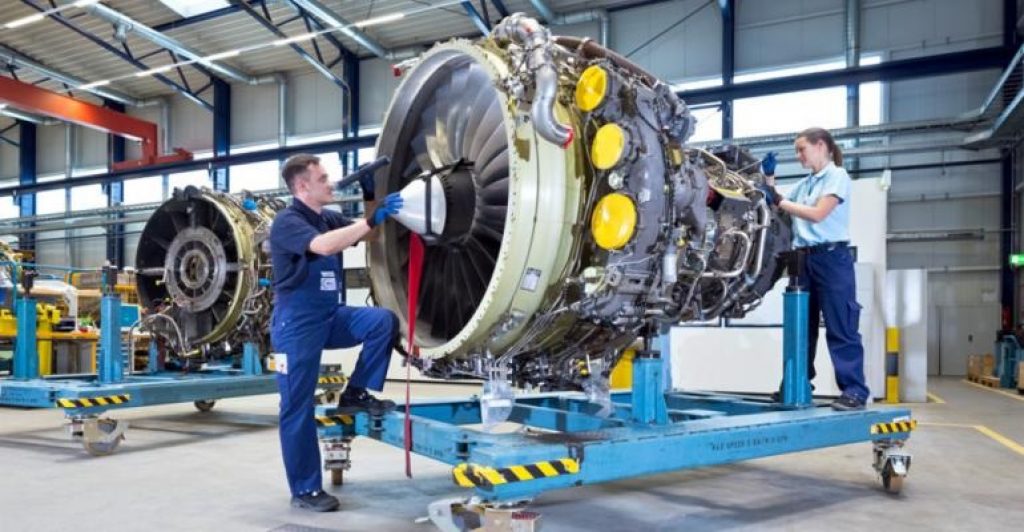
While it is true that wear and tear in manufacturing units is a normal occurrence, your unit could end up wasting a lot of materials, money, and time on the damaged machinery. But you can keep this cost low by using preventative maintenance. This entails preventing the breakdown as opposed to fixing them. Preventative maintenance can also help to extend the life of your machinery, increase productivity, and enhance product quality.

Whether you have a food processing plant or mining  industrial facility as showcased here, among others, cutting waste is one of the best practices. It not only helps to cut associated costs, but you can also use it to get a competitive advantage against your customers.

Renewable energy is an inexhaustible energy source. Available at will, these sources are diverse and varied, ranging from solar to wind through geothermal energy. Thanks to these low-polluting energies, we can envisage a prolific energy production system that is more respectful of nature. If renewable energies have many advantages, there are also some disadvantages to their exploitation.

Advantages Of Renewable Energy Sources

In general, renewable energies are cleaner than the fossil and fissile energies currently exploited worldwide. They are more ecological, available in mass around the globe, and are ” free ” once the production facilities are profitable.

To be more specific, we should look at the advantages and disadvantages of each renewable energy source. Here are a few examples:

The wind energy is clean energy par excellence. Without rejection or waste of any kind, it allows with a good coefficient of performance to ensure proper energy independence. On land or off-shore, wind turbines demonstrate excellent production capacities and are a viable alternative for the most remote areas where access to electricity is difficult.

Biomass Energy: Biomass energy is related to the combustion of wood. Wood is a widespread fuel, especially in some countries where it is widely established. If this energy still releases greenhouse gases, the emissions are less compared to the amount of CO2 that a tree will have absorbed during its life. A well-managed and renewed forest makes it possible not to exhaust the wood reserves. The biomass is, therefore, energy that participates in local development while being very cheap (the logs and wood pellets are the fuel most affordable on the market). You can visit Ecoforest for related products.

Solar energy is widely acclaimed in the energy sector and develops unbelievable speed production of electricity through the photovoltaic system. Also, heating through solar panels, solar power can be used widely in parks provided for this effect or on a small scale in individuals. Even if solar panels perform better in very sunny areas, they are ideally suited for homes.

Disadvantages Of Renewable Energy Sources

As with everything, renewable energies also have their little faults. As a priority, there will be a relatively large cost to purchase the installations, the profitability of which can be expected for years. Also, most of these green energies are subject to the whims of Mother Nature. Indeed, days without wind or great light can strongly thwart the production of wind and solar.

Commercial buildings face various difficulties by the pest’s infections because of common sharing working area, toilets, and food courts. Even a small pest problem may rapidly become a larger issue and cause major risks.

Pests present in the common work area arises crucial distribution to the workers and it causes headaches to the building owners and business owners.

The pests found in lobby and toilet area crawling into the working areas and cause damage to the building products and electrical wires.

Common Pest issues 

  • Rats and mice are the high rated issue facing in commercial buildings.  These pests enter your block depending on the location of other affected buildings. A property owner should take necessary control measures to decrease the problems created by the rodents.
  • The small cracks in the pipeline makes a way to the pest like spiders and ants. The spider creates spark of fear among the working people and sometimes your customer got disturbed.
  • Some infects cause due to waste food and ripped fruits thrown by the working employs or by the people from the other buildings.
  • Common flies that makes nuisance in commercial buildings and it makes bad impression about your business place among the customers or regular visitors.
  • Some pests cause dangerous viral infection to the working people and to customers, this ends with the loss of productivity in your business.
  • Even the working people also became the transmitter for pests to the commercial buildings. While coming for work from home , some pests flows unknowingly with their things or in a car and spread in the commercial blocks

CONTROL MEASURES

 Spot the entry location

  • No one prefer the pest entry to the commercial buildings, always keep your working area clean to get rid of pests
  • The most common spots are outdoor lighting. Pests are easily gets attracted to the lights. So, make sure to switch of the outdoor lights on night time to reduce the presence of pests.
  • Keep cleaning trashes in all cabins to keep way the pests from the commercial buildings. Even the decayed food smell in trash attracts the pests.
  • Regularly clean the dining area, commercial buildings mostly have common dining, make sure to clean the dining area after every meal to avoid small files problems.
  • Bathrooms, the most important place to consider in cleaning. Clear out all drains and debris and always keep your bathroom and toilet area clean to avoid the spreading of pests in bathroom area .

Outdoor maintenance

  • Keep cleaning fencing area to avoid the entry of reptiles and rodents.
  • Check the outdoor garbage area regularly
  • Trim your outdoor plants in a routine basis, because some pests make nest on the plants and leaves. Regular trimming keeps bugs away from your commercial blocks.
  • Change the outdoor lights colour to yellow to avoid some pests infect during the night hours
  • Keep lawns height to the basement area. Never allow it to overgrow, the you couldn’t able to inspect the presence of pests on lawn side. These pests make a entry easily in to the commercial building.

The best way to fight with pests is to do the inspection regularly and meet with other commercial building owners and get/ spread  the awareness about the pest control measures . Or you can get in touch with the best pest controllers in London like Pest Exterminators.

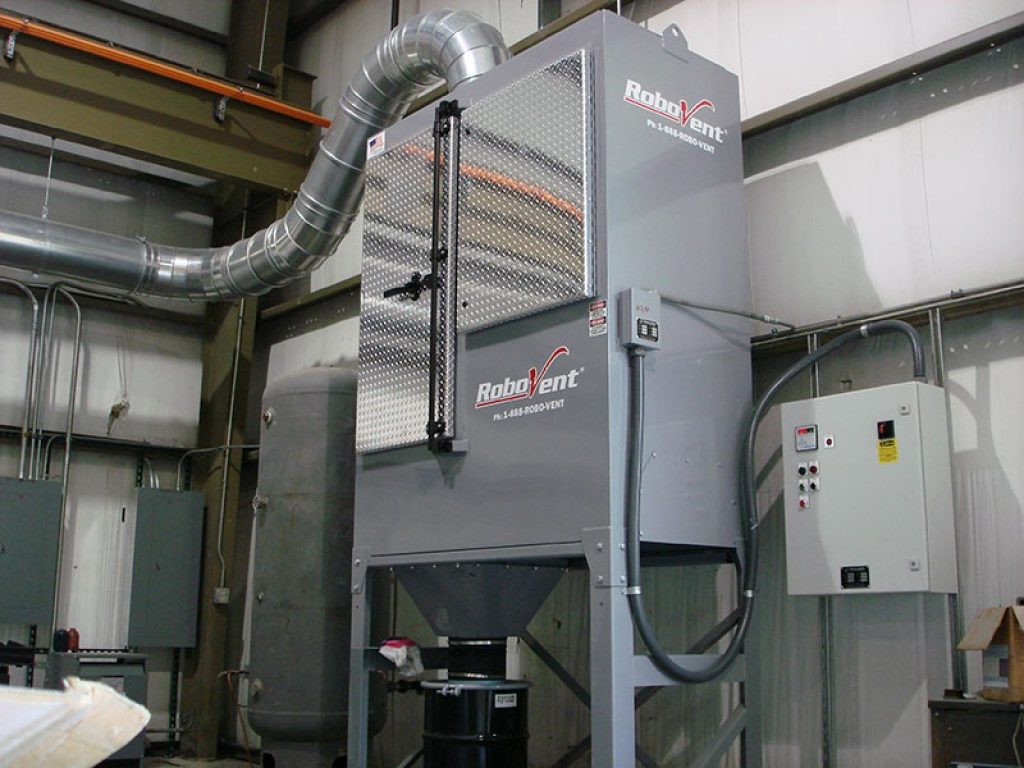
It is no surprise that quite a lot of industrial plant operations would have to put heavy reliance on their industrial dust collectors in order for them to allow employees to work on an environment that can be considered as safe as what the state policy enactors would want. This article presents everything you need to know about industrial dust collectors safety.

Safety in Dust Collector Operations

Industrial dust collectors, while absolutely helpful, requires quite a lot of effort to maintain. However, doing so is vital especially since the main function that industrial dust collectors do is to ensure the safety of the personnel working in the plants. Here are some of the safety tips that you can adopt to make sure that the plant’s industrial dust collectors will perform at a high rate for a long time.

Industrial Dust Collector Safety Tip #1: Ensure Protection from Deflagration

Should your operations demand that you work with combustible dust then you have to make sure that you have deflagration protection measures installed. In order to do this, industries usually employ a venting. Venting is passive meaning it does not need constant oversight from a plant staff. The way venting works is that when an explosion occurs, one of the vents will open. Afterwhich a premeasured pressure level will accumulate on the collector, which will then allow the overflow of pressure and fires towards front from the area in question out to an area away from where it can cause undue damage.

A vent that has no flames will be constituted with a casing that will have a set of panels that contains mesh that can work at high temperature levels. This allows the dust collector to work while fending off heat and fire balls. The way the vents are implemented in are by way of overlapping in with an existing vent that already follows industry standard. When an incident happens, the flame vents will open to release the extra pressures and the ensuing fireball towards the casing that is mentioned. The installed mesh layers should be able to absorb the excess heat and fires and then allow parts of the excess pressure waves to be able to pass through the environment where the plant workers are working safely. This would then allow a conventional venting to be done while indoors. Otherwise, a different setup could endanger the workers or create secondary explosions. It is worth to note that there are other forms of protection devices that can be employed to do the same function. It is a good idea to work with an expert in dust collector devices and its accessories so you could the setup that suits best the existing system that you already have in place.

Industrial Dust Collector Safety Tip #2: Study the Pressure Capabilities

When you are able to understand the way the pressure capabilities work on the industrial dust collector in your employ, you will be able to bring out the full potential of it. This knowledge is extremely crucial especially when trying to decide the vent sizes when selecting one. When you are going to compare deflagration strength to the strength of the venting vessel and then the burst pressure of the vent the important factor to consider is how to effectively perform deflagration protection given those parameters.

Industrial Dust Collector Safety Tip #3: Mind the Ductwork

The agencies charged with ensuring that policies are met will require a specific level of protection in the ductwork  system and with all the safety processes upwards of the industrial dust collector. Attach the ducting apparatus with a functioning valve designed as to perform flow-activated isolation. Valve protection downward towards the working areas and the processes from which the flame can propagate along with the pressures should be part of the protection of the ducting apparatus.

In a deflagration incident that could happen within an industrial dust collector, the ensuing pressurized air wave should allow the closing of the valves that will then be able to prevent the passing of fireballs, including smoke, upwards towards other areas from the valve. This valve latch will then close and have to be opened manually by an overseeing personnel. Should it be activated, some of the other components that constitutes the valve will have a big chance of being damaged. When this happens, only through a thorough inspection can the industrial dust collector be deemed safe and allowed to be operational once again.

Industrial Dust Collector Safety Tip #4: Keep Dust from the Hoppers

An industrial dust collector’s component called the hopper must never be used in storing the dust collected during operation. It should be noted that the hopper will be, and should only be used for the intended purpose of funneling the bulk of the dust from processing into a designated storage bin. Industrial dust that may have accumulated in a dust collector’s hopper can create a huge risk for fires or so-called deflagration risk. Industrial dust that could pile up in the hopper can also limit the level of the industrial dust collector’s performance. The reason for this is because the clogging of the system can prevent the pulse-cleaning function from doing its intended purpose. When hoppers that has the ability to self-dump are being employed, this can provide a quick and relatively easier way of disposing dust, all the while still being able to protect the industrial protector from untowards incidents like leaking of the valves between the hopper and the industrial dust collector’s main valves.

Industrial Dust Collector Safety Tip #5: Pulse Controls can Help You

An industrial dust collector’s system for cleaning is designed in a way that it should be able to work hand in hand with the design of the filters. Having a way to selective the type of cleaning can give you a boost by easing the way you control and maintain the filters.

The option to use continuous cleaning will be a good idea when dealing with porous dust, that includes substances like silica as well as other minerals. It can also be a good choice when dealing with certain high dust applications on loading like during thermal spraying or when plasma cutting. Finally, it can also be used on lightweight dusts like fumed silica, for instance, and, of course, paper fines.

The option of cleaning on demand is best used for the majority of the types of dust that industries encounter. When using this setting, the operations will be able to monitor the difference in compression from the different portions of the valves. This includes the area before the filter that has clean air and the one after it which has dirty air. Doing this will allow the worker to be able to set a certain range of pressures that he will have a firm control over. He can then choose to activate and halt the operation for cleaning the cartridges. The said setting is employing a limited amount of pressurized air and gives maximum filter cleaning capability, efficiency and could extend the life of the cleaner for a longer period.

Downtime cleaning happens when the operation is halted to enable workers to clear out the filters. This allows for a time-based form of pulsing that can be done after the end of shifts on plant work. It can also be done when batch process is completed, and also after a certain condition has caused an upset on the filter. It is especially important because mishandling can affect the performance of the filters. When the period meant for cleaning is done, the industrial dust collector can shut off completely without manual supervision. This feature is extremely important due to the possibility of extra cleaning of the cartridges that may be considered detrimental to further operation. When a cartridge is over-cleaned, it may cause emissions that are more difficult to handle, cartridges that may break down earlier than its usual life. And finally, when you over clean the cartridges you could waste energy because it can cost more because of the abuse of use of pressurized air.

Industrial Dust Collector Safety Tip #6: Work with the Policy Regulators

The state institutions that are concerned with environmental preservation and the health and safety of the workers would especially like to gain information regarding the types and levels of emissions that the industrial plants will be exhausting. The levels that are acceptable will be established by them and will be interested to know if you are complying to these policies. These levels can be used by your plant to ensure that you are still performing at acceptable levels. The said agencies have already done their work in ensuring that they have the values that are safe for performance. But, it should be noted that there are certain specific metrics that may be out of their concern that can include values such as the level of pressure drop, certain emissions when doing pulsing, the energy performance and some other parameters that could be better reflected on an industrial dust collector level of efficiency.

A good way to have a general measure on an industrial dust collector’s emission level and the effectiveness of its operation is to perform tests that would comply with the standards set by the industrial regulatory organizations. These tests would include several factors that would be of interest to the operators and the ones doing the maintenance of the industrial dust collectors.

Industrial Dust Collector Safety Tip #7: Safely do Change Outs

What is Ideally the better way that the workers will act regarding collector maintenance is to never enter industrial dust collectors when they do changing of filters. This is not only a safety hazard as the dust may have a terrible effect on the respiration of the workers, it can also cause damage to the industrial dust collector itself. The dust collectors which could require workers to enter when servicing the device will put the workers in danger and could require the company to ask for permits for confined space entry. Another issue that may be brought up is the continuous monitoring of gases that are inside the valves which could add additional expenses for monitoring and maintaining. For utmost safety, the filters have to be put in a position where the access will not be an issue and can be slid in and out of the valves as easily as possible.

A simple, quick and easy to open, weighty gauge doors will be able to provide the level of access needed to change cartridges as fast as possible. This will not put workers in a position where they will be required to enter the industrial dust collector. You may choose to pick out the types of gauge doors which will have a feature where one can exclusively lock out to be able to work with it in a safe manner.

Industrial Dust Collector Safety Tip #8: Schedule Change Outs

It is often overlooked but a quick but crucial requirement for safety to be able to change the filters even when the air flowing through the valves have reached a certain difference in pressure. This is the prescribed operation by most manufacturers. When the drop in pressure across the industrial dust collector has a negative effect on the capability of the industrial dust collector operation, this is when it becomes more difficult to maintain. It has to be remembered that the industrial dust collector system is used to capture the industrial dust, which will then allow it to go out of the facility ensuring that it does its function well. It is worth noting that some changers can help industrial dust collectors to work for longer if maintained properly. But, when performing applications that require heavy loading of dust, the filter replacement may have to be done in a more frequent manner than usual. Proper scheduling of change outs is the key to ensure that industrial dust collector performance is not compromised. Ask the experts who have more experience in working with the collectors.

Every year, industries lose billions of RUB because of unplanned downtime. Regular breakdown and downtime pull down productivity and profits. But your industry does not have to follow this route! You can optimize the productivity of your industrial facility by drawing and following a good maintenance plan. But how do you prepare a good maintenance plan? This post outlines the four main components of a robust industrial maintenance plan. 

Set the Goals for your Maintenance Plan

As an industry owner or leader, a clear maintenance plan is as important as an organization budgeting. Indeed, it is at the heart of every organization strategy because downtime can affect production, sales, and productivity. Therefore, it is prudent to have clear goals for the maintenance plan. 

The goals of the plan should be crafted with the organization’s vision. In the mining industry, a maintenance plan can set the goal of a high uptime of about 99%. In this industry, high uptime is considered crucial for optimizing productivity. Other goals of the maintenance plan should be specific to different parts of the plant such as inspection of belt drive tension, bearing, motors, and other parts. When monitoring becomes part of the main goals, all issues that can result in downtime will be easy to identify and address on time. 

Prioritizing Areas of Risk 

Your industrial maintenance program will only be effective if you prioritize the areas that are at a higher risk of breaking down. This implies that your industrial operations should work together with the maintenance team to identify failure mode, effects and criticality analysis of different parts. Here are the main components to prioritize: 

  • Machines and parts that are used regularly.
  • Equipment nearing the recommended servicing time.
  • Machines that breakdown regularly. 
  • Parts of your system with low productivity. 

Have the Right Team in Place

When an industrial plant halts because of a problem, you need to have the right people to diagnose, fix, and get the system back to operations. This is only possible if you have the right team in place. This should be a tech team monitoring different parts of the industrial plant all the time. It should also be properly equipped with the latest skills and technology to diagnose and rectify every problem. 

Adherence to the Best Practices in Maintenance 

An effective maintenance plan should be mainly be targeted at preventing the occurrence of damages as opposed to repairs. This means that the maintenance team should articulately understand the entire plant’s operations and areas of higher risk. The best practices in preventative maintenance include: 

  • Testing. 
  • Calibration.
  • Servicing. 
  • Inspection.
  • Alignment. 
  • And installation. 

The Final Take 

To optimize the operations of your facility, it is important to have a well-prepared maintenance plan and team that pro-actively identifies and fixes issues before they strike. Remember that the maintenance plan should be updated regularly to ensure that the team has the latest skills and technology. 


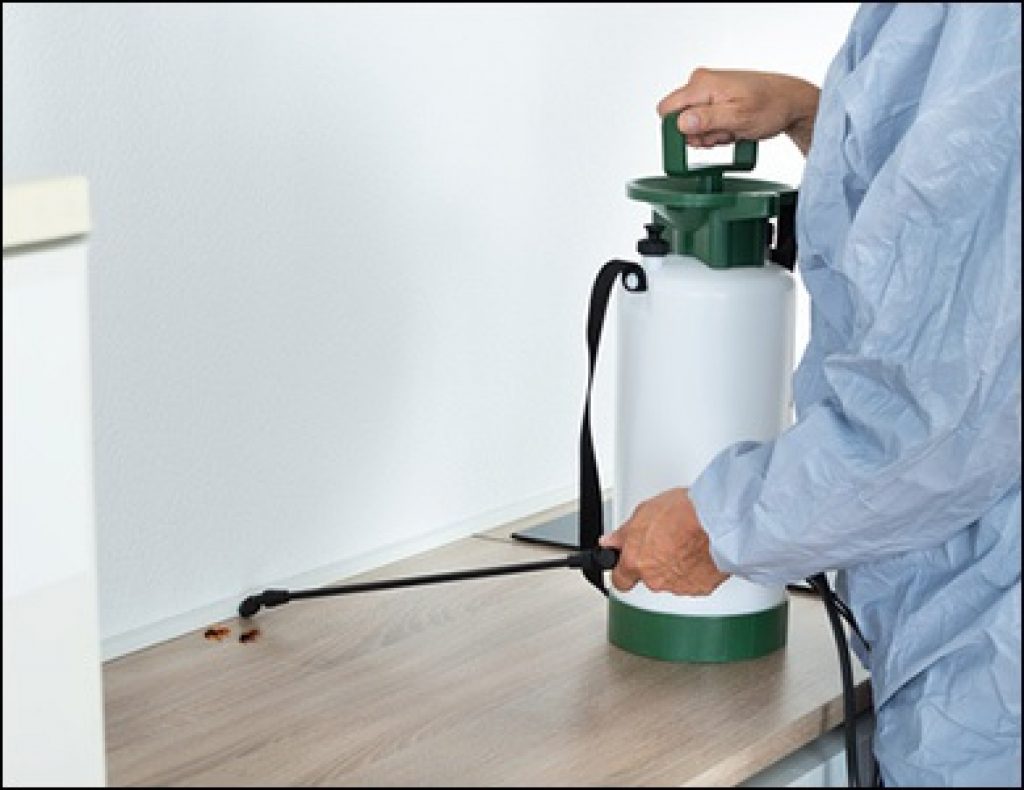
Many people with pest control problem try to handle it by themselves. They want to save money but end up spending much more than they would have by hiring a pest control professional. They are not just good at what they do, but they also do so using eco-friendly products that are safe for you, your family and your pets. Here are some of the top reasons why you should avoid using home remedies and hire a professional such as EcoArmor Pest Defense to help you get rid of pests from your home –

  • Cost Effective – Even though you might have to pay a few thousand dollars for the services of a pest control professional, you will still save money. When pest infestation goes unnoticed, they can not only destroy the structure of your house but can also spread diseases. Pest control knows the signs of pests and helps you get rid of them.
  • Trained and Licensed – Pest control professionals are trained and licensed to carry out pest control. They have special tools and equipment that help eradicate the pests without causing any harm to the family members.  
  • Use of Chemicals Safely – Pest control professionals such as EcoArmor Pest Defense use chemicals that are more effective than the over-the-counter chemicals you get from pharmacies. The chemicals they use are eco-friendly and are not available at retail stores.
  • Identification of Pests – Pest control professionals have the knowledge to identify the kind of pests infesting your home and use the correct strategy to get rid of them without trial and error.

While it is true that you can try to get rid of pest infestation from your home on your own, you will have to spend a lot of time, energy and money on it. Hiring a professional give you get peace of mind since they take care of everything from start to finish.

The bedroom is everyone’s favorite part of the home, or at least it should be. It’s a room where we can relax and recharge our energy levels after a busy day, and it’s also a room where we can feel closest to those we love, a room where we are free to dream. That’s why it’s so important to have a bedroom that you feel comfortable in, but it’s even more important to have one that is environmentally friendly as well. Here are three simple yet effective ways that you can make your bedroom greener, so that it’s better for you and better for our planet.

Royalty Free Photo

Install Double Glazing

Many homes, especially older ones, are energy inefficient, which means that heat readily escapes, typically through the roof and through windows. In fact, studies show that up to 40% of all heat produced by heating systems escapes through badly fitted windows. Double glazing installation can dramatically cut down this heat loss, and eventually it can pay for itself thanks to reductions in your heating costs; you’re also likely to notice that the interior of your home seems much quieter, as noise from outside is baffled. Even more importantly, it means that you’ll be able to turn down your thermostat and produce less heat, which will have a positive impact on your carbon footprint.

Use Eco Friendly Bedding

Nothing feels better than newly bought or laundered bedding, and high-quality sheets and bedding sets are an affordable luxury that makes life feel that little bit better. There’s a lot to consider when buying bedding: it has to look good, feel good to the touch and be durable, but you should also think about opting for a greener bedding solution such as those made by SOL Organics. The green bedding experts use only organic cotton and sateen, and they are a fair-trade manufacturer as well, which means that no child labor is used, and everyone involved in the manufacturing process is given a fair rate of pay.

Recycle Bedroom Furniture

Buying new bedroom furniture can significantly raise your carbon footprint, especially if the constituent parts were manufactured around the globe; even if manufactured locally, the likelihood is that trees and other vital resources will have paid the ultimate price for your cabinet, drawers or dresser. Pre-loved furniture is much more environmentally friendly, and it can also be very much on trend as well, whether you decide to use it as it is, or redecorate it in a shabby chic style. Buying second-hand bedroom furniture can also save you money, and there are few things that are more fun than looking round antique and second-hand furniture stores.

When it comes to fighting man-made climate change and other environmental issues facing our planet, every little helps. By using greener organic bedding, using pre-loved bedroom furniture, and installing double glazing to fight heat loss, you can create a bedroom that’s far greener than it was before. That means you can settle down to a peaceful sleep when your head hits the pillow, and dream about a better future for us, our children and generations to come.

Arboriculture is the practice that entails the management, cultivation, and study of individual vines, trees, shrubs, and other woody plants. Arborists are professionals who carry out pathogen control, shaping, pruning, and removing unwanted plantations. The warm season leaves behind an outgrowth of many trees and winter causes dead plantations, both of which can affect the value property and appeal of property. Outlined below are the benefits of hiring a professional for arboriculture services.

Saves on money

Arborists are incredibly affordable. Removing trees from your compound now may save you huge costs in the future. Remember that most insurance providers do not compensate buildings damaged by falling branches or fallen trees. In case of such incidences, you will have to meet the expenses of erecting up a new structure. Consider calling a reputable firm to remove old plantations now to save on the unseen expenses in the future.

Upholds cleanliness

Planting many trees on the land means more twigs, acorns, and leaves that need regular cleaning. Keeping such a landscape tidy every day is cumbersome and involving task. A bushy site means that short plants will not receive enough sun rays. The tree removing company comes in handy in eliminating unsightly growth to keep the place clean and expose the plants to adequate sunlight.

Saves time

As a property owner, you may not have the time to attend to your tress. Besides, the practice of tree maintenance and removal incurs some level of experience and specialized tools that may not be within your reach. Working with a professional tree removing firm saves you the struggle of removing the branches by hands. The experts have special tools and workers for the activity. They operate in teams to make sure you have time for other pressing activities on your list.

Avoid injuries

Unattended plantations pose a safety threat to people in the yard. Trunks can snap, and even branches might break and fall from the canopy and crash to the ground. These occurrences pose a serious concern to the inhabitants of the land. A removing expert makes certain that no such safety hazards are littering on the property and that everyone is safe

Property protection

Over the years, tree roots can continue to grow towards the building. Roots that penetrate underneath your property are quite detrimental to its foundation. The underneath growth will not only damage the house but also the sidewalk, driveway, and the plumbing. Arborists must check the direction of the roots to determine whether they will interfere with the stability of the structure.

Simply put, the benefits of using these services are numerous and diverse. It is important that you seek this expert help before incurring an emergency or unnecessary expenditure. The professionals will carry out an inspection of the structure and recommend steps to follow to keep the landscape safe. However, ensure that the service provider is adequately equipped and staffed to handle your distinct task before you commit to working with them.

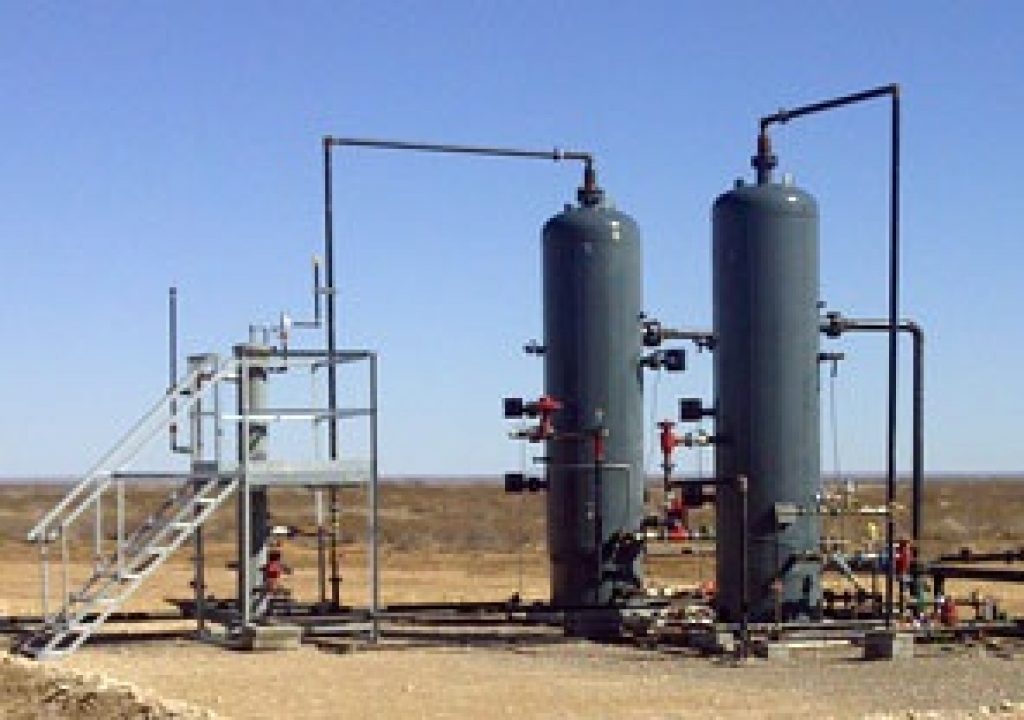
Natural gas in its raw form, when extracted from under earth’s crust, is full of contaminants.  It goes through a series of filtration stages to remove solid and liquid impurities. The filter separator plays a vital role in the natural gas filtration process. It is a complete system created to remove the impurities from liquid-free natural gas streams.

The filter separators may be available in single or double boot configurations, and they contain one-micron filter elements used to remove dust, rust, and traces of small particles. The separators are available in different sizes to handle varying gas capacities.

The highest quality filter separators are capable of filtering out the finest particles as small as 0.3 microns size. A typical natural gas filter separator will have the following features:

  •    Liquid level controller
  •    Lifting lugs
  •    Pressure relief valve
  •    Pressure indicator
  •    High or low pressure-regulator
  •    Instrument gas header
  •    Temperature indicator connection
  •    Instrument gas drip-pot
  •    Pressure safety valve

What are the different stages?

As the raw natural gas passes through the unit, the preliminary filter separator in the first section removes the solid particles and turns any liquid elements into large droplets. The flow of the stream should be distributed uniformly to enable higher separation efficiency.

In the second part of filtration, the vane mist extractor or wire mesh retains the liquid droplets. This helps in removing particles size 2 microns and larger from the resulting stream. It is recommended to use internal components made of stainless steel material so that they do not cause oxide contamination later on.

The main standard unit includes one or two liquid boots that accumulate the heavy and large liquid droplets separated from the natural gas stream. There needs to be an outlet at the bottom of the vessel for the liquid drops to escape.

How does it work?

When the impure wet gas enters the pipe, a large amount of liquid contaminants come out of the gas stream. The risers help in evenly distributing the gas through the first stage of filtration. The gas then passes through the cartridges where the finer contaminants are captured and removed. The cartridges serve to combine the fine liquid contaminants within the gas stream before the second level of filtration where the large droplets of liquid impurities are removed, and the purified dry gas exits the filtration unit.

Where to look for Natural Gas Filter Separator?

Advanz Industrial Canada offers high quality and reliable natural gas separators: https://advanz.ca/natural-gas-filtration/separators/. The stream of gas is forcefully passed through the separators using different physical mechanisms such as deflection plates, baffles, vane pack, and mesh pad, to remove droplets and aerosols.

When buying separators, some of the main factors that need to be taken into account are configurations, connections, and proper size. This results in optimal performance of the natural gas filter separator for different operating conditions depending upon your project requirements.

Advanz offers separator vessels in both horizontal and vertical design. It mainly depends on the area where the unit will be installed.

Statista estimates that more than 258 million metric tons of solid wastes were generated by Americans in 2014. Approximately 87 million tons of these materials are either recycled or composted, which is roughly equivalent to 34.4 percent recycling efficiency.

This means that an overwhelming 65.6 percent of garbage either end in landfills or pollute the environment such as the plastics that are accidentally dumped in the ocean and eaten by marine organisms like sharks and turtles.

Despite best efforts by the government and private entities, 100 percent recycling efficiency remains elusive. However, technology development in the area of sustainable waste management is making some significant progress.

EPA recommends three ways to solve the garbage problem: reducing source of waste, recycling and composting. The first strategy involves the creation of products that are sustainable in terms of possible reuse and recycling. Products that are biodegradable, long-lasting and non-toxic are preferred.

The second strategy is all about converting waste into other products. Many types of wastes such as paper, glass, plastic, and metals can be recycled. Recycling is actually a big business that it in 2017 alone, the global revenues of the recycling industry was estimated at $265 billion.

The third strategy of solid waste management is focused on biodegradable materials like food scraps and yard trimmings. The organic materials can be stored and allowed to decompose naturally and later used as fertilizer or as biofuel. Some commercially available biogas units can be used in homes and turn organic wastes into cooking gas.

These strategies can be made more effective and efficient with the aid of green technology. The applications can either be on a smaller scale such as in homes or on a larger scale such as in cities and industrial complexes.

Greenbelt Resources Corporation (OTCMKTS:GRCO), for instance, has developed a sustainable technology of converting organic waste products into bioethanol and high protein animal feed. The company recently signed a letter of intent with a New Mexico-based project development company, Biofuels & Energy, LLC (B&E), to allow it to use Greenbelt’s proprietary ECOsystem technology.

https://www.youtube.com/watch?v=mPN5WFWELDE

The system includes a patented membrane dehydration technology and it can convert agricultural wastes into biofuel. According to B&E officer Richard Mason, they have decided that Greenbelt’s technology is the best-suited system for their bioethanol projects. B&E can use the system to convert various types of organic waste without the need for modifying existing technologies.

Meanwhile, other companies like Arrow Electronics, Inc. (NYSE:ARW) are focused on reusing and recycling electronic products. The company is engaged in selling refurbished computers. It also formed two small technology recycling and recovery companies, Redemtech and TechTurn, for its tech refurbishing business.

Arrow has 15 processing facilities in eight countries that process electronic wastes, processing more than 7.2 million assets yearly. Its sustainable business practices earned it the e-Stewards global status awarded by Basel Action Network.

Sustainable waste management strategies can be realistically and efficiently implemented both in small-scale and large-scale levels. It is all about optimizing the available methods and technology.