Author

Rose Ruse

Browsing

Crime scene cleanup is a vital service that helps families recover from traumatic events. These professionals work tirelessly to restore homes and properties after crimes or accidents. Crime scene cleanup companies provide dedicated, compassionate services to families coping with the after-effects of tragedies.

The cleanup process goes beyond just cleaning. It involves removing biohazards, sanitizing affected areas, and ensuring the space is safe for occupants. This work allows families to focus on healing without worrying about the physical reminders of their loss.

Crime scene cleanup teams also offer emotional support to those affected. They understand the sensitive nature of their work and approach each job with care and respect. Their goal is to help families move forward by creating a clean, safe environment.

Key Takeaways

  • Crime scene cleanup professionals restore properties and support families after traumatic events
  • The cleanup process involves removing biohazards and ensuring spaces are safe for occupants
  • Compassionate care and emotional support are key aspects of crime scene cleanup services

Educate Yourself About Crime Scene Cleanup

Crime scene cleanup is a complex field that requires specialized knowledge and skills. Learning about the different aspects of this work helps families understand the process and its importance.

Look at top rated crime scene cleanup services like Huuso Bio for more information. 

The Essence of Crime Scene Cleanup

Crime scene cleanup involves removing biohazards and restoring affected areas to a safe condition. This work goes beyond regular cleaning. It focuses on eliminating dangerous substances like blood and bodily fluids.

Cleanup teams use special equipment and chemicals to sanitize spaces. They wear protective gear to guard against bloodborne pathogens. The goal is to make the area safe for future use.

Cleaners must be mentally prepared for challenging scenes. They often deal with the aftermath of violent crimes or unattended deaths. Compassion and discretion are key traits for workers in this field.

Types of Crime Scenes

Crime scene cleaners work in various settings. Each type of scene presents unique challenges.

Common crime scenes include:

  • Homicides
  • Suicides
  • Assaults
  • Accidents

Cleaners may work in homes, offices, vehicles, or outdoor areas. The nature of the crime affects the cleanup process and materials needed.

Some scenes require more extensive work due to the presence of dangerous substances. Others may involve larger areas or multiple rooms.

Types of Trauma Scenes They Clean

Trauma scenes cover a wide range of incidents. Crime scene cleanup businesses handle various situations, including:

  • Unattended deaths
  • Industrial accidents
  • Infectious disease outbreaks
  • Tear gas contamination
  • Meth lab cleanup

Each type of trauma scene requires specific cleaning methods. For example, meth lab cleanup involves dealing with hazardous chemicals. Infectious disease outbreaks need thorough disinfection.

Cleaners must adapt their techniques based on the scene. This ensures the effective removal of all biohazards and contaminants. Huuso Bio for example is a crime scene cleanup company in Naperville and provides assistance throughout the Midwest. They have trained their staff is the highest standards for unattended death cleanup and homicide cleanup.

Regulatory Standards and Compliance

Crime scene cleanup is heavily regulated. Companies must follow strict guidelines to ensure safety and compliance.

Key regulations include:

  • OSHA standards for bloodborne pathogens
  • EPA guidelines for proper waste disposal
  • State-specific licensing requirements

Companies must keep detailed records of their work. This includes documenting cleaning procedures and waste disposal. Regular audits help ensure ongoing compliance with all regulations.

The Role of Crime Scene Cleaners

Crime scene cleaners play a crucial part in restoring safety and order after traumatic events. They handle dangerous materials, follow strict protocols, and provide emotional support to families.

Day-to-Day Responsibilities

Crime scene cleaners deal with hazardous situations daily. They clean up blood, bodily fluids, and other biohazards after accidents, murders, and suicides.

These professionals use specialized equipment to safely remove and dispose of contaminated materials. They disinfect affected areas thoroughly to prevent disease spread.

Crime scene cleaners often work odd hours and respond to emergencies quickly. They may face disturbing scenes and must remain composed.

Their job goes beyond cleaning. They help families start the healing process by restoring spaces to their original state.

Required Qualifications and Training

Becoming a crime scene cleaner requires specific skills and training. A high school diploma is typically the minimum education requirement.

Key qualifications include:

  • Physical fitness
  • Strong stomach
  • Emotional stability
  • Attention to detail
  • Discretion

Training programs cover biohazard handling, bloodborne pathogen safety, and proper use of protective gear. Some cleaners become Certified Bio-Recovery Masters, showing advanced expertise.

Many states require licenses or certifications for biohazard cleanup. Ongoing training keeps cleaners up-to-date on safety regulations and cleaning methods.

Technical Expertise and Equipment

Crime scene cleaners rely on advanced tools and knowledge to do their job safely and effectively. They use personal protective equipment (PPE) like hazmat suits, respirators, and heavy-duty gloves.

Specialized cleaning products include:

  • Industrial-strength disinfectants
  • Enzyme solvents
  • Ozone machines for odor removal

Cleaners must know how to properly use and dispose of these materials. They also employ techniques like UV light detection to find hidden biohazards.

Understanding building materials helps cleaners decide what can be cleaned and what must be removed. They use moisture meters and thermal imaging to detect water damage or bodily fluid residue.

Safety Protocols and Health Risks

Crime scene cleanup involves serious health risks. Workers must follow strict safety rules to protect themselves and others. Proper handling of dangerous materials is key.

Protecting Workers and Clients

Crime scene cleanup workers need special gear to stay safe. This includes:

  • Protective
  • suits                                                                                                                             
  • Gloves                                                                                                                                             
  • Masks                                                                                                                           
  • Face shields                                                                                             
  • Boot covers

Workers must put on and take off this gear carefully. They also need training on how to use it right.

Cleanup teams seal off work areas. This keeps others away from danger. Air filters remove harmful particles.

Regular health checks are important for workers. They need vaccines against diseases like hepatitis B.

Bloodborne Pathogens Standard

The Bloodborne Pathogens Standard is a key safety rule. It helps protect workers from diseases in blood.

This standard requires:

  • A written exposure control plan                                                                                                     
  • Use of universal precautions                                                                                                         
  • Proper disposal of sharp objects                                                                                                  
  • Hand washing facilities                                                                                                                 
  • Worker training

Companies must follow these rules. They help keep workers safe from HIV, hepatitis, and other illnesses.

Regular safety audits check if teams are following the rules. Any problems found must be fixed fast.

Handling Biohazardous Materials

Biohazardous materials need special care. These include blood, body fluids, and tissue.

Workers use special chemicals to clean up these materials. They follow a step-by-step process:

  1. Contain the area
  2. Remove visible matter
  3. Apply disinfectant
  4. Let it sit for the right amount of time
  5. Clean up and dispose of waste properly

All waste goes into special containers. These are then taken to approved disposal sites.

Teams keep detailed records of what they clean up and how they do it. This helps track potential exposures. As this is a sample of what some companies may do, it is always important ask the crime scene cleanup company you contact what their protocols and scope of work are.

Compassionate Care for Families

Crime scene cleanup companies offer more than just cleaning services. They provide crucial emotional support to families during difficult times. Their compassionate approach helps ease the burden on those grieving.

Offering Emotional Support

Crime scene cleanup professionals understand the emotional toll of traumatic events. They approach each situation with empathy and sensitivity. These experts receive training in crisis communication and trauma support.

They listen carefully to family concerns and answer questions patiently. The cleanup team explains the process clearly, avoiding technical jargon. This helps reduce anxiety for those affected.

Many companies offer 24/7 emergency response. This quick action provides relief to families in shock. The presence of trained professionals can be comforting in chaotic situations.

Respecting the Grieving Process

Cleanup teams recognize that each family grieves differently. They adapt their approach to suit individual needs. Compassionate care includes giving families space when needed.

The cleanup process is handled discreetly to protect privacy. Teams work efficiently to minimize disruption to the household. They take care to preserve personal items that may hold sentimental value.

Professionals often provide resources for ongoing support. This may include contact information for counseling services or support groups. Some companies follow up with families to ensure their well-being after the cleanup is complete.

Professional Standards in Crime Scene Cleanup

Crime scene cleanup demands strict adherence to professional standards. These standards ensure safety, quality, and ethical practices in this sensitive field.

Certifications and Training

Crime scene cleaning requires specialized skills and knowledge. Many companies seek certification from the American Bio Recovery Association (ABRA). This group offers training programs and certifications for biohazard cleanup technicians.

ABRA certification covers topics like bloodborne pathogens, personal protective equipment, and proper cleaning techniques. Technicians learn to handle hazardous materials safely and effectively.

Some states require specific licenses for crime scene cleanup. Companies must ensure their staff meet these legal requirements.

Ongoing training is crucial in this field. New cleaning methods and safety protocols emerge regularly. Staying updated helps maintain high standards of service.

American National Standards Institute

The American National Standards Institute (ANSI) plays a key role in setting industry standards. They work with the Institute of Inspection, Cleaning and Restoration Certification (IICRC) to create guidelines.

The ANSI/IICRC S540 Standard outlines best practices for trauma and crime scene cleanup. This standard covers:

  • Safety procedures
  • Cleaning methods
  • Equipment usage
  • Waste disposal

Best Practices for Trauma Cleaning

Certified biohazard remediation firms follow strict protocols. These practices protect workers, clients, and the environment.

Key best practices include:

  • Using proper personal protective equipment
  • Securing the area to prevent contamination spread
  • Thorough cleaning and disinfection of all affected surfaces
  • Proper disposal of biohazardous waste
  • Detailed documentation of the cleanup process

Respect for the deceased and their families is paramount. Cleanup teams must work discreetly and professionally. They often work closely with law enforcement to preserve evidence when needed.

Firms must also comply with OSHA regulations on bloodborne pathogens. This includes proper handling and disposal of biohazardous materials.

Challenges in the Field

Crime scene cleanup companies face unique obstacles in their work. The job requires both physical and mental strength to handle difficult situations.

Emotional and Psychological Impact

Crime scene cleanup takes a toll on workers’ mental health. They often see disturbing scenes that can cause stress and trauma.

Cleaners may struggle with nightmares or anxiety after difficult jobs. Many companies offer counseling to help staff cope.

Training focuses on mental preparedness as well as cleaning skills. Workers learn techniques to stay focused and avoid emotional burnout.

Interacting with grieving families adds another layer of stress. Cleaners must be compassionate while maintaining professional boundaries.

Dealing with the Unexpected

No two crime scenes are the same. Cleaners must adapt quickly to new situations.

Hazards like blood-borne pathogens require careful safety protocols. Proper protective equipment is essential to avoid health risks.

Weather and building conditions can complicate cleanup efforts. Extreme temperatures or unstable structures pose additional challenges.

Cleaners often work odd hours and travel on short notice. This unpredictable schedule can be difficult to balance with personal life.

Coordinating with law enforcement and other first responders requires flexibility. Cleaners must wait for investigations to finish before starting work.

Technological and Methodological Advances

Recent years have seen major progress in crime scene cleanup tools and methods. These advances help cleanup teams work more safely and effectively.

Innovations in Biohazard Remediation

Biohazard remediation now uses specialized equipment for improved safety. Teams wear advanced personal protective gear with filtration systems. This reduces exposure risks.

New cleaning agents break down biological materials faster. Enzyme-based cleaners target specific substances like blood or tissue.

Ultraviolet light devices sanitize surfaces without chemicals. They destroy microorganisms at the DNA level.

3D mapping technology creates detailed site plans. This helps teams track contaminated areas and ensure thorough cleaning.

Odor Control and Sanitization

Odor removal has greatly improved with new tech. Advanced ozone generators neutralize smells at the molecular level. They leave no residue behind.

Thermal fogging systems disperse deodorizers into tiny particles. These reach hidden odor sources in porous materials.

Air scrubbers with HEPA and activated carbon filters clean contaminated air. They remove airborne pathogens and odor-causing molecules.

Antimicrobial coatings provide long-lasting protection. They prevent future bacterial growth on treated surfaces.

Impact on Public Health and Safety

Crime scene cleanup plays a crucial role in protecting communities from health hazards and promoting safety. Professional cleanup services address biohazards and prevent disease spread while supporting emotional healing for affected families.

Prevention of Disease Transmission

Crime scene cleanup is essential for preventing the spread of diseases. Trained technicians use specialized equipment and procedures to eliminate dangerous pathogens.

Key preventive measures include:

  • Thorough decontamination of affected areas                                                                     
  • Proper disposal of biohazardous materials                                                                 
  • Use of EPA-approved disinfectants

These steps help protect first responders, family members, and the wider community from exposure to bloodborne pathogens and other health risks. Without proper cleanup, dangerous bacteria and viruses can linger at crime scenes for extended periods.

Emergency cleanup teams work quickly to contain and remove potential sources of infection. This rapid response is critical for minimizing health risks in the aftermath of traumatic events.

Contribution to Community Well-Being

Professional crime scene cleanup services contribute to community healing and recovery. They restore affected areas to safe, livable conditions so residents can move forward.

National Crime Scene Cleanup companies provide more than just cleaning. Their work helps:

  • Reduce psychological trauma for families and neighbors
  • Prevent property damage and depreciation
  • Maintain community standards and quality of life

By handling difficult cleanup tasks, these services allow families to focus on emotional recovery. They also help preserve the safety and value of surrounding properties.

Crime scene cleanup supports public health officials and law enforcement. It ensures that affected areas are properly sanitized and restored, reducing risks to investigators and the community.

The Business Landscape

Crime scene cleanup is a growing industry that provides essential services to families and communities. It involves unique challenges and opportunities for service providers.

Market Dynamics and Growth

The crime scene cleanup business is expanding. More people are recognizing the need for professional remediation services after traumatic events. This has led to increased demand for specialized cleanup companies.

Bio recovery masters are in high demand. These experts have skills in handling hazardous materials and restoring affected areas. The market is seeing steady growth as awareness of these services increases.

Key factors driving growth include:

  • Rising crime rates in some areas
  • Greater public awareness of biohazard risks
  • Stricter regulations on handling biological waste

Challenges for Service Providers

Crime scene cleanup companies face unique hurdles. One major challenge is getting the right licenses and permits. Rules vary by state and city. Some areas require special licenses for biohazard cleanup.

Equipment and training costs are high. Cleanup teams need protective gear and specialized cleaning tools. Ongoing training is crucial to stay up-to-date on safety protocols.

Emotional stress is a significant factor. Workers often deal with tragic situations. This can take a toll on their mental health. Companies must provide support for their staff.

Marketing these services requires sensitivity. Businesses must balance promoting their services with respecting clients’ privacy and grief.


 

Leads. They’re the lifeblood of every HVAC business, yet so many companies are, quite frankly, dropping the ball. Here’s a question: How many potential HVAC leads have slipped right through your fingers because you weren’t looking where today’s customers are searching? Spoiler alert—it’s online. And if you’re still stuck with old-school methods, you’re probably missing out.

The digital landscape has shifted, and it’s fierce out there. Everyone’s jostling for attention, and if you think a few flyers or word-of-mouth referrals will keep your pipeline full, you’re in for a rude awakening. But here’s the good news: You don’t have to be. Let’s talk about getting those digital leads flowing before your competition leaves you gasping for air.

What Exactly Are HVAC Leads, and Why Should You Care?

HVAC leads? Simple: They’re your potential clients waving their hands, saying, “Hey, we need help with our AC system!” They might be filling out a form, calling your business, or dropping a message. But here’s the kicker—without HVAC leads, your business could be running on empty. Think about it: no leads, no customers. And no customers? Well, that’s game over.

What makes these leads golden? Timing. An HVAC system breaks down, someone’s sweating bullets in their living room, and they’re online right now looking for a solution. If you’re not there, someone else is. Boom. Sale lost.

Online Lead Generation—Get in the Game or Get Left Behind

The internet. It’s where your future clients are hanging out, and if your HVAC business isn’t visible, you’re invisible. Makes sense, right? But how do you get noticed? Here’s the playbook:

  • Local SEO: Want your HVAC business to pop up when someone nearby Googles “AC repair near me”? That’s local SEO magic. The key? Optimize your website for local searches so people can find you fast.
  • PPC Ads: Forget waiting around. With pay-per-click ads, your business shows up right now when someone’s searching for HVAC services. Instant visibility, but yeah, you’ll have to pay. Worth it? Absolutely.
  • Content Marketing: Don’t sleep on this. Writing blog posts or articles about HVAC tips or common issues? Smart. You’re not only educating your audience, but also pulling in curious visitors who might just convert. You build trust. You build authority.

Learn more about why digital marketing matters for HVAC leads generation, and make sure you’re not invisible to potential customers.

Lead Providers: Your Shortcut to Qualified HVAC Leads

Listen, you’re busy. Running an HVAC business means you’ve got a thousand things on your plate. Marketing might not be your thing. That’s where an HVAC leads provider comes into play. Forget about endlessly chasing down new customers. Instead, you’ve got someone handing you pre-qualified HVAC leads who are already interested in what you’re offering. Easy, right?

Think of it like this: Rather than casting a huge net and hoping for the best, you’re getting leads delivered straight to your inbox—hot and ready for action. That means more time to focus on the job itself and less time hunting for work.

Mistakes That Could Be Costing You Leads

It happens. Businesses make mistakes. But the problem? Some of these mistakes are costing you. Here are a few blunders HVAC businesses keep making when it comes to lead generation:

  • Slow Response Times: When a lead comes in, you can’t wait a week. You can’t even wait a day. If you’re not following up fast, you’re losing business—guaranteed. Time is money, and so is speed.
  • Targeting the Wrong People: If your marketing is too broad, you’re missing your mark. Focus your efforts where they’ll count—on people who actually need HVAC services in your area.
  • No Online Reviews: Reviews matter. People trust them more than ads, more than salespeople, more than anything else. If you’re not asking for reviews from satisfied customers, you’re losing out.

Converting HVAC Leads into Paying Customers

Getting leads is great, but turning them into actual customers? That’s where the magic happens. Here’s how to make sure you’re not wasting those precious leads:

  • Respond Quickly: This isn’t optional. If someone contacts you, they expect a fast answer. Don’t make them wait. Call, email, or message back as soon as possible, or your competitors will.
  • Build Trust, Not Just Sales Pitches: No one likes a hard sell. Listen to your lead’s problems. Offer a solution that works for them, not just what makes you the most money. Relationships matter.
  • Provide Clear Value: Why should someone choose your HVAC service over someone else’s? Is it your prices, your fast response times, or your expert team? Make sure your leads know what sets you apart.

The Bottom Line: Get Those Digital HVAC Leads Before It’s Too Late

The writing’s on the wall. If your HVAC business isn’t focusing on generating HVAC leads online, you’re going to fall behind. And fast. The good news? You don’t have to. By leveraging online strategies and possibly partnering with a lead provider, you can keep those leads—and new clients—coming in.

Ready to step up your game? Your next customer might be just one click away. Don’t miss out.

FAQs

  1. What are HVAC leads?
    HVAC leads are potential customers who need HVAC services and show interest through phone inquiries, online forms, or ads.
  2. How do I get more HVAC leads?
    Use strategies like local SEO, PPC advertising, and content marketing, or consider working with a lead provider for pre-qualified leads.
  3. Why use an HVAC leads provider?
    It simplifies the process, providing you with pre-screened, interested customers, saving you time and energy.
  4. How do I turn HVAC leads into paying customers?
    Quick responses, strong relationship-building, and clearly showcasing your value are key to converting leads.
  5. What’s the best online strategy for HVAC lead generation?
    Local SEO combined with targeted PPC ads works wonders for generating HVAC leads in your service area.

Why-Digital-Marketing-Matters-for-HVAC-Infographic

AI has impacted online slot gaming by improving graphics and animation. Modern slot games feature stunning visuals and immersive animations that engage and entertain players. AI-powered graphics engines render complex 3D models, creating vibrant and lifelike worlds within the game. For example, games with an ancient Egyptian theme, such as the famous “Book of Ra,” transport players to ancient pyramids with intricate hieroglyphics and animated symbols. Nature-themed slots might feature vibrant forests or underwater scenes with realistic creatures and fluid movements.

AI also enables developers to create more interactive and dynamic symbols and characters. Expanding wilds might transform into animated creatures that interact with the player, or bonus symbols could trigger mini-games with engaging storylines. These enhancements make the games visually appealing and increase player engagement and enjoyment.

Personalized gaming experiences

AI enables online slot providers to offer personalized gaming experiences tailored to individual players’ preferences and behaviours. Casinos can use machine learning algorithms to analyze player data such as game choices, betting patterns, and playing frequency. This data is then used to suggest games that align with the player’s interests and provide customized bonus offers and promotions.

If a player frequently chooses games with a specific theme, such as fantasy or sports, the casino might recommend similar games they have yet to try. AI-powered systems also adapt game features and mechanics based on player performance, ensuring a challenging yet enjoyable experience for all skill levels. Personalization extends beyond game recommendations. Casinos use AI to offer personalized loyalty programs, tailoring rewards to match each player’s preferences. This might include exclusive bonuses, VIP events, or customized merchandise based on their playing history.

Enhanced game recommendations

AI-powered recommendation engines have revolutionized how online slot games are suggested to players. These systems use complex algorithms to analyze data points, including game popularity, player demographics, and individual playing history. As a result, casinos offer targeted game suggestions that are more likely to appeal to specific players. For example, if a player frequently chooses high-volatility games with large jackpots, the casino might recommend similar games with progressive jackpots or unique bonus rounds. Players who prefer a particular theme or aesthetic are recommended new releases that align with their tastes.

Future innovations

The impact of AI on online slot gaming is expected to continue growing and evolving, shaping the industry’s future. Here are some potential future innovations:

  • Virtual and augmented reality – AI and virtual and augmented reality could create immersive slot gaming experiences. Players could interact with games in a virtual casino environment, or augmented reality could bring slot games into the player’s real-world environment.
  • Skill-based elements – AI introduces skill-based elements into slot games, blending chance with player ability. A bonus round could test players’ reflexes, problem-solving skills, or knowledge.
  • Social gaming – AI will likely play a role in developing social gaming platforms where players interact, collaborate, and compete in slot tournaments or cooperative gameplay.
  • Biometric integration – AI and biometric technology could enhance player security and provide personalized experiences. For example, facial recognition could be used for secure logins, and eye-tracking technology could detect player fatigue and offer tailored breaks.

The next time you spin the reels at your favourite online casino, remember the power of AI behind the scenes and look for new and exciting pentaslot games that push the boundaries of what’s possible.


Platelet-rich plasma (PRP) therapy has shown great promise for its healing and regenerative properties in cosmetic dermatology as well as non-surgical hair regrowth. This novel, low-risk procedure has been used for years to accelerate the healing from joint & sports injuries. Dermatologists are now utilizing platelet-rich plasma (PRP) therapy to repair photoaged skin as well as help patients regenerate lost hair. 

If you are looking for a non-invasive & natural alternative to encourage the body’s own healing process, call New You Medical Center in Houston, Texas, to schedule a consultation about platelet-rich plasma (PRP) therapy. Continue reading this guide for more information including what the treatment entails, its benefits, what procedure to anticipate, and some FAQs.

What is Platelet-Rich Plasma (PRP) therapy? 

PRP, or platelet-rich plasma, is a combination of the patient’s blood plasma with an elevated concentration of platelets. Platelets circulate naturally in the blood, aiding in the clotting process and releasing growth factors and proteins that foster healing. PRP injections are effective for repairing injuries and have been utilized in sports medicine for many years. PRP treatments are now utilized to treat a variety of conditions, including osteoarthritis, post-surgical recovery, hair regrowth, and skin care. 

What is a PRP Facial? 

A PRP facial treatment is a natural cosmetic procedure that includes injecting platelet-rich plasma (PRP) into the facial area. PRP promotes healing at the cellular level. When administered to the skin, PRP can enhance texture and tone, decrease wrinkles, and stimulate new collagen formation. 

Here are some of the benefits of PRP facials:

  1. Healthier skin.
  2. Tighter and toned skin.
  3. Improved collagen production.
  4. Reduced UV damage.
  5. Reduced wrinkles and fine lines.
  6. Reducing acne damage and scarring.
  7. Minimizing crow’s feet.

How Does Platelet-Rich Plasma (PRP) Therapy Work? 

Our blood consists of plasma, white blood cells, red blood cells, and platelets. Plasma is the liquid component of human blood that is composed of water and proteins. Plasma also aids in the movement of blood cells, white blood cells, and platelets throughout the body. Platelets aid in blood clotting and create growth factor proteins required for healing. PRP face rejuvenation works by concentrating platelets and plasma from your blood to help repair and regenerate your skin. Platelet growth factors are essential for maintaining firm, elastin-rich skin. 

What To Expect From a Platelet-Rich Plasma (PRP) Therapy Procedure

To begin this procedure, a medical practitioner will extract a tiny amount of blood from yourself. The vial will next be placed in a centrifuge to separate platelet-rich plasma (PRP) from red and white blood cells. This technique concentrates platelets and increases their count several times higher than normal, yielding astonishing results. It then proceeds to treat skin issues. Your practitioner may apply the PRP solution topically as a serum, combine it with microneedling for enhanced absorption, or introduce it into the face intravenously like other injectables such as Botox or filler. 

FAQs Regarding Platelet-Rich Plasma (PRP) Therapy

Am I a good candidate for a PRP facial?

One of the most appealing aspects of PRP facial is that practically any man or woman can be considered an excellent candidate for the treatment. This procedure is suitable for all ages and skin types. PRP face rejuvenation is a fantastic treatment choice for those who are just starting out with anti-aging and skin rejuvenation procedures. Additionally, PRP facials are ideal for those who want to maintain healthy skin or improve it before a major event. 

How can I prepare for a PRP procedure? 

Before starting your Vampire Facial or hair regrowth therapy, our board-certified dermatologists will take you through several assessments. Patients may be requested to stop taking certain drugs one day before their PRP injections, and they are advised to be hydrated and rested. 

How long does the PRP Therapy procedure take?

The length of therapy varies, but PRP injections normally last between 30 minutes and an hour. It typically requires no downtime and patients can resume their usual daily routines immediately. 

How long do the PRP results last? 

The natural-looking outcomes of a platelet-rich plasma facial can continue for 12-18 months. A proper skincare program and frequent sun protection are essential for preserving results. 

Are there any side effects of platelet-rich plasma (PRP) therapy? 

Patients can anticipate redness, swelling, and even bruising at the injection site, although these adverse effects should subside within 72 hours. 

Schedule An Appointment Now at The Best Medical Spa in Houston, Texas! 

PRP and other injectable therapies are still highly unregulated in the United States, allowing for vast differences in practitioner credentials and expertise, as well as the quality of care delivered to patients. At New You Medical Center, your therapies will always be conducted by a qualified doctor and an experienced team. Discover the difference at New You Medical Center.
Schedule your appointment today and begin your road to a healthier, happier, new you!


Journaling is more than just putting words on paper; it’s a powerful tool that can help you process your thoughts, reduce stress, and enhance your emotional well-being. Whether you’re dealing with anxiety, looking for clarity, or simply trying to make sense of your day, journaling offers a safe space to explore your feelings and ideas without judgment. The simple act of writing can have a profound impact on your mental health, offering benefits that go far beyond what you might expect.

Reflect and Gain Clarity

You can get clarity about your life’s events and reflect on your experiences by keeping a journal. By writing down your thoughts and feelings, you can identify patterns, recognize triggers, and better understand your emotions. This self-awareness can lead to more informed decisions and a clearer sense of direction in both your personal and professional life.

One aspect of self-reflection that many people overlook is monitoring their habits and behaviors. For example, if you’re concerned about your alcohol consumption, tools like Soberlink can help you track and manage your intake effectively. Feedback through Soberlink Reviews, shows that this tool is instrumental in helping individuals maintain accountability, which in turn supports their emotional and physical well-being. Just as journaling helps you track your emotional patterns, Soberlink can provide insights into your alcohol habits, leading to healthier choices.

Reduce Stress and Anxiety

Reducing stress and anxiety is one of journaling’s most well-known advantages. When you write about your worries and fears, you’re taking the first step in confronting them. This process of externalizing your concerns can make them feel less overwhelming and more manageable. Journaling also provides an outlet for pent-up emotions, helping you to release stress and avoid the buildup of tension. Over time, this practice can lead to a more relaxed and centered state of mind.

Boost Creativity and Problem-Solving

Journaling isn’t just about dealing with negative emotions; it’s also a fantastic way to boost your creativity and problem-solving abilities. When you journal, you give yourself the freedom to explore new ideas and think outside the box. This can lead to creative breakthroughs and innovative solutions to problems you might be facing. Whether you’re brainstorming for a project or working through a personal challenge, journaling can help you tap into your creative potential.

Track Your Progress

Another powerful aspect of journaling is its ability to track your personal growth and progress over time. By regularly documenting your thoughts, goals, and experiences, you create a written record that you can look back on. This enables you to observe your progress and accomplishments, which may be immensely motivating. Whether you’re working towards a specific goal or simply trying to improve your mental health, journaling provides tangible evidence of your progress.

Conclusion

The power of journaling lies in its ability to help you understand yourself better, reduce stress, and boost creativity. It’s a simple, yet incredibly effective, tool for improving your mental and emotional well-being. By combining journaling with other self-care practices, like monitoring your habits with tools such as Soberlink, you can create a holistic approach to maintaining your health. Start journaling today and discover how this powerful practice can help you feel better and live a more fulfilled life.


It has been recognized as a fundamental right in many countries. Freedom of speech allows people without fear of punishment to express their opinions and thoughts without fear of being reprimanded. But how can you make effective use of this right? Before exercising your right to free speech, knowing what it means is essential. However, it doesn’t mean you can say anything without consequences. Different countries and regions have different laws about speech. Learn about the specific rules in your area. It will also help you avoid getting into trouble unintentionally.

  • Choose your platform – You can speak publicly, write letters to newspapers, or use social media. Pick a platform that suits your message and reaches your intended audience. Remember, different platforms have different rules. Make sure you follow them.
  • Be clear and respectful – When expressing your views, try to be as straightforward as possible. Use simple language that everyone can understand. Avoid using confusing words or long sentences. Insulting or attacking others can weaken your message and cause people to ignore your points.
  • Back up your statements – If you’re making claims or sharing information, try to back them up with facts. This makes your speech more credible and convincing. Use reliable sources for your information.
  • Listen to others – Free speech is not just about talking. It’s also about listening. Try to understand their viewpoints. This can help you form stronger arguments and have more productive conversations.
    • Be open to debate – When you express your views, be ready for others to challenge them. This is a normal part of   Free Speech.
  • Use your real name when possible – Using your real name when expressing your views can add credibility to your speech. However, in some situations, you might need to protect your privacy. Use your judgment to decide when using your real name is safe.
    • Avoid hate speech – Speech doesn’t protect hate speech. Avoid saying things that attack people based on their race, religion, gender, or other personal characteristics. Use your speech to discuss things that matter to you and your community.
  • Join or form groups – You can amplify your voice by joining groups that share your views. These could be local clubs, online communities, or national organizations.
  • Write to your representatives – One powerful way to exercise free speech is to contact your elected officials. Write letters or emails to your local, state, or national representatives and share your thoughts on important issues and policies. This can influence their decisions and actions.
  • Participate in peaceful protests – Peaceful protests are a form of protection by law in many countries. Always make sure to follow local laws and regulations when participating in protests.

Social media platforms offer a broad reach for your ideas. However, use them wisely. Be aware of each platform’s rules and guidelines. Avoid spreading false information or engaging in harmful behaviour online. To exercise your free speech effectively, keep learning about different issues. Stay informed about current events and various viewpoints. Remember, with speech comes responsibility. Use your rights wisely and respectfully. You can make the most of this vital right by understanding the limits of free speech, choosing your platforms wisely, and expressing yourself clearly and respectfully.

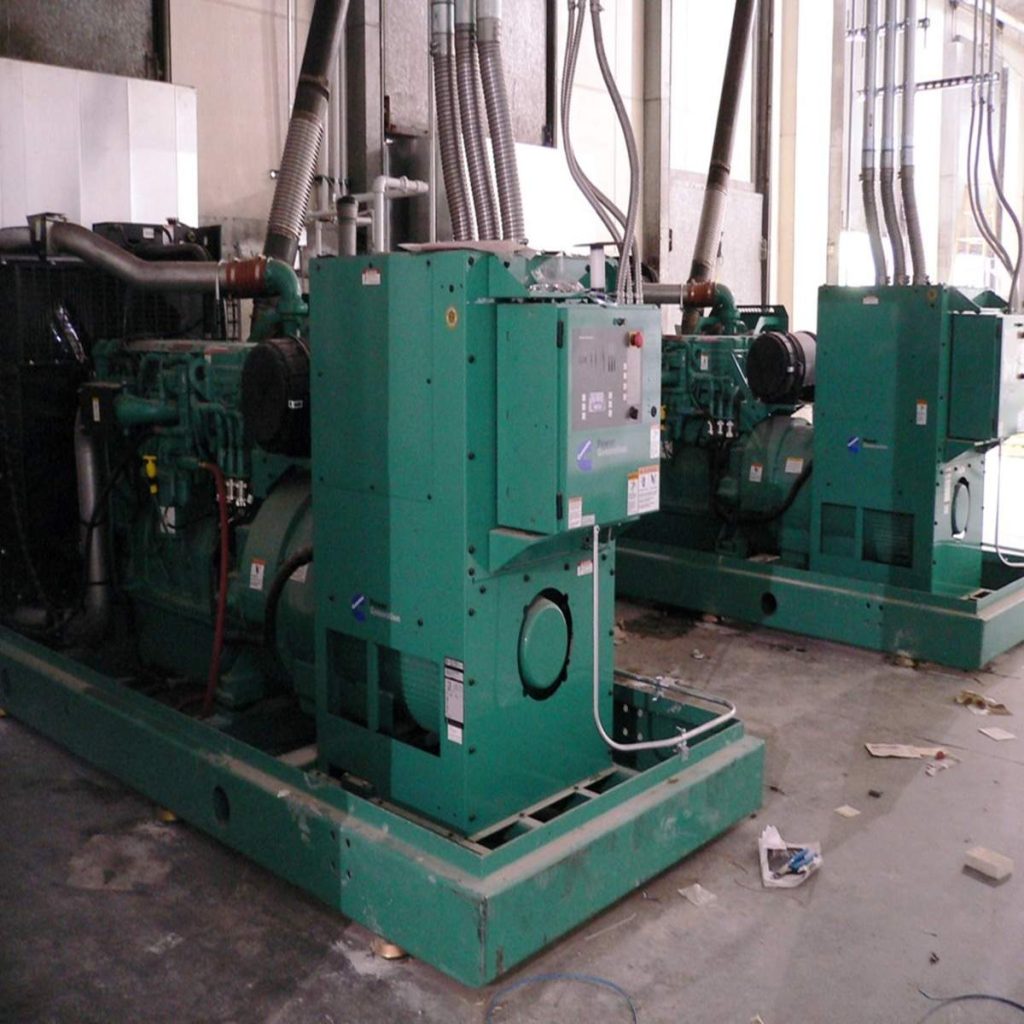
Diesel Generators are one of the most frequently required electronic equipment. It acts as a backup in case of an electricity cut. It is imperative to buy a branded and top-notch quality diesel generator to be sure of its performance and endurance. You must analyze a company on various parameters to ensure the decision is correct. Some companies do offer diesel generators for sale (จำหน่าย เครื่องปั่นไฟดีเซล, which is the term in Thai) and their discounts are also genuine. It is a must to check the reviews of the company view the product configuration in detail and then make a purchase decision.

Here are some of the advantages of buying a diesel generator at a low cost:

  • Worthy Association: 

Branded companies have diesel generators at a high cost. Their products are well-thought-out and made with lots of attention to detail. Some branded companies also provide a warranty on the major components of diesel generators. Buying a diesel generator in sale allows you to associate with a branded company which otherwise may prove to be a costly affair. 

  • Good After-Sales Service: 

When companies offer diesel generators for sale, they mention the after-sales service and installation guide. Checking the same in advance can enable you to make a thoughtful choice. It is recommended to opt for a company that offers after-sales service and on-call technical help. 

Diesel Generator - Electric Generator Latest Price, 3 Phase Generator Dealers in Governor Road, Ongole - डीजल जनरेटर डीलर्स, गवर्नर रोड , ओंगोले - Justdial

  • Cost-Effective: 

One of the greatest advantages of buying a diesel generator during the sale season is the amount of money that you can save. Diesel generators are highly priced and are a long-term investment. Thus, pouring out a huge sum at once can be difficult, especially for a small to medium business. Buying the diesel generator on sale can help the company save a good sum of money and utilize its funds wisely. 

  • Higher Configuration: 

The cost of a diesel generator depends upon a lot of factors including the size of the engine, the number of cylinders and much more. Buying a diesel generator during a sale allows you to purchase a higher configuration generator at a lower price. It is a good deal for a small to medium business looking for affordable and cost-effective diesel generators. 

The Key Takeaway

A diesel generator is a vital source of power backup. It keeps the business running and ensures that the work does not halt due to power failures. It reserves power supply for situations of power outage. Thus, investing in a diesel generator is a must for smooth and continuous business operations. 


Interactive data analysis is essential to modern data science, enabling data scientists to explore and understand their data efficiently. Two of the most popular tools for this purpose are Jupyter and Zeppelin notebooks. Both offer unique features and advantages. In this article, we will compare Jupyter and Zeppelin to help you decide which is better for your interactive data analysis needs. Moreover, if you want to learn more about Jupyter or Zeppelin Notebook, you can join a data science course in Mumbai and get all the necessary certifications.

Overview of Jupyter

The Jupyter Notebook is a popular software tool that has been around for a while. It has been employed by major corporations such as Google and NASA. It works best with data that fits in memory. It was created in 2012 as a development of the iPython Notebook, which simply used Python as a notebook engine.

Jupyter, a versatile tool, supports various programming languages, including Python, Scala, and R. Its open-source nature fosters a large community and a wealth of supplementary applications and integrations, empowering data scientists with flexibility in their data analysis tasks. 

Advantages of Jupyter

  1. Ease of Use: Jupyter notebooks are known for their user-friendly interface. Combining code and rich text elements makes documenting and sharing workflows easy.
  2. Wide Language Support: Jupyter supports over 40 programming languages, making it a versatile tool for various data analysis tasks.
  3. Rich Ecosystem: The Jupyter ecosystem includes many extensions and plugins, such as JupyterLab, which offers an enhanced interface for working with notebooks, code, and data.
  4. Strong Community Support: Jupyter has a large and active community that provides extensive documentation, tutorials, and third-party tools.

Disadvantages of Jupyter

  1. Scalability: Jupyter can be helped by very large datasets or highly intensive computations, as it is primarily designed for single-user environments.
  2. Collaboration: Jupyter’s real-time collaboration is limited compared to some other tools, which can be a drawback for team projects.
  3. Security: Running code from various sources in Jupyter Notebooks can pose security risks, especially when sharing notebooks.

Overview of Zeppelin

On the other hand, Apache Zeppelin was built by the Apache Foundation as an element of the Hadoop ecosystem in 2013. While it is similarly open-source, it has a far smaller community than Jupyter. It is better suited for data scattered over a Hadoop cluster. Zeppelin’s strength is creating dashboards and sharing them with many users.

Another benefit of Zeppelin is that it is associated with the Hadoop ecosystem and works nicely with other Hadoop applications like Spark, Pig, and Hive. 

Advantages of Zeppelin

  1. Multi-Language Support: Zeppelin supports multiple languages within the same notebook, allowing seamless switching between SQL, Python, Scala, and more.
  2. Big Data Integration: Zeppelin is designed with big data in mind and integrates well with Hadoop, Spark, and other big data tools, making it ideal for large-scale data analysis.
  3. Visualization and Dashboards: Zeppelin offers advanced visualization capabilities and can create dynamic dashboards, enhancing the presentation of data analysis results.
  4. Collaboration: Zeppelin provides better real-time collaboration features

Disadvantages of Zeppelin

  1. Complexity: Zeppelin can be more complex to set up and use, especially for those new to data science tools.
  2. Smaller Community: Zeppelin’s community is smaller than Jupiter’s, which means fewer resources, plugins, and third-party tools are available.
  3. Performance: While Zeppelin handles big data well, it can sometimes be slower for smaller, more straightforward tasks than Jupyter.

Key Comparisons

Usability

  • Jupyter: Jupyter is known for its simplicity and ease of use. Its intuitive interface lets the users create and share notebooks quickly without a steep learning curve.
  • Zeppelin: Zeppelin offers powerful features but can be more complex to set up and use. It is designed for more technical users comfortable with big data tools.

Collaboration

  • Jupyter: Collaboration in Jupyter is limited. While you can share notebooks, real-time collaboration features are less advanced than those of other tools.
  • Zeppelin excels at collaboration, offering real-time editing and notebook sharing. This robust feature set fosters connectivity and efficiency in team projects, making Zeppelin a better choice for such endeavors.

Language Support

  • Jupyter: Jupyter supports more than 40 programming languages, including popular ones like Python, R, and Julia. That makes it a versatile tool for various data analysis tasks.
  • Zeppelin: Zeppelin also supports multiple languages and allows switching between them within the same notebook. It is particularly strong in supporting languages used in big data environments.

Integration with Big Data Tools

  • Jupyter: While Jupyter can integrate with big data tools, it is not explicitly designed for this purpose. It is more suited for smaller-scale data analysis.
  • Zeppelin: Zeppelin is built for big data, offering seamless integration with tools like Hadoop, a distributed storage and processing system; Spark, a fast and general-purpose cluster computing system; and Flink, a high-performance runtime for distributed data processing. That makes it ideal for large-scale data processing and analysis.

Visualization

  • Jupyter: Jupyter offers robust visualization capabilities through libraries like Matplotlib, Seaborn, and Plotly. This allows users to confidently create detailed and interactive visualizations, enhancing the presentation of their data analysis results.
  • Zeppelin: Zeppelin also provides robust visualization features and allows the creation of dynamic dashboards. That can be particularly useful for presenting analysis results clearly and interactively.

Use Cases

When to Use Jupyter

  1. Small to Medium-Sized Data Analysis: Jupyter is perfect for smaller datasets and less intensive computational tasks. It allows for quick prototyping and analysis.
  2. Educational Purposes: Jupyter’s user-friendly interface and rich text capabilities make it an excellent tool for teaching and learning data science.
  3. Broad Language Support: Jupiter’s extensive language support can be beneficial if your project requires multiple programming languages.

When to Use Zeppelin

  1. Big Data Projects: Zeppelin is the better choice if you work with large datasets and require integration with big data tools.
  2. Team Collaboration: Zeppelin’s real-time collaboration features are advantageous for projects involving multiple team members.
  3. Dynamic Dashboards: Zeppelin’s visualization capabilities can be a significant asset if you need to create interactive and dynamic dashboards.

Conclusion

To summarize, Zeppelin is the superior tool for data scientists developing in the Hadoop realm. It integrates well with other Hadoop systems like Spark, Pig, and others, simplifying Spark application development. It improves team connectivity but is oriented toward business users, with strong LDAP connections and rights control, among other features.

Because of its stand-alone nature, Jupyter requires minimal overhead to set up and produce developed patterns. Because of the enormous number of extensions and integrations, particularly into Machine Learning and AI frameworks, it has become the preferred option among analytics users. 

For those looking to deepen their understanding and gain practical experience with these tools, enrolling in a data science course in Mumbai can provide valuable insights and hands-on training. 

Business Name: ExcelR- Data Science, Data Analytics, Business Analyst Course Training Mumbai

Address:  Unit no. 302, 03rd Floor, Ashok Premises, Old Nagardas Rd, Nicolas Wadi Rd, Mogra Village, Gundavali Gaothan, Andheri E, Mumbai, Maharashtra 400069, Phone: 09108238354, Email: enquiry@excelr.com.

Oak barrels have long been cherished in the world of winemaking for their unique ability to enhance and transform the flavor profile of wines during aging. Here’s a detailed exploration of what makes oak barrels so ideal for this crucial process.

1. Flavor Enhancement:

The oak barrels impart a range of complex flavors and aromas to the wine, making them highly desirable for winemakers aiming to create nuanced and balanced wines. The wood itself contains various compounds like vanillin, lactones, and tannins, which contribute flavors such as vanilla, spice, and a subtle sweetness. These compounds infuse into the wine slowly over time, adding layers of complexity.

2. Micro-Oxygenation:

Oak barrels are porous, allowing a controlled amount of oxygen to interact with the wine. This micro-oxygenation process facilitates gradual oxidation, which softens tannins and stabilizes color. It also helps integrate flavors and aromas, resulting in a smoother, more harmonious wine.

3. Texture and Mouthfeel:

Wines aged in oak barrels often exhibit enhanced texture and mouthfeel. The tannins from the oak contribute to a rounder, silkier mouthfeel, adding structure and depth to the wine. This characteristic is particularly beneficial for red wines, where tannins play a crucial role in aging potential and overall balance.

4. Aromatics and Complexity:

Oak aging enhances the aromatic profile of wine by adding notes of cedar, clove, nutmeg, and sometimes even hints of smoke or toastiness. These aromas complement and elevate the natural fruit characteristics of the wine, creating a more complex bouquet that delights the senses.

5. Natural Preservation:

Oak barrels provide a stable environment for wine aging. The wood’s natural antimicrobial properties help maintain wine quality by preventing spoilage organisms from proliferating. Additionally, the gradual release of oxygen through the wood pores helps protect against oxidation, ensuring the wine evolves gracefully over time.

6. Customization and Artistry:

Winemakers often have the opportunity to choose oak barrels from different forests (such as French, American, or Hungarian oak), each imparting distinct flavors and textures. This allows for a degree of customization in wine production, where barrel selection becomes a crucial decision in shaping the final flavor profile of the wine.

7. Tradition and Prestige:

The use of oak barrels in winemaking carries a rich tradition and symbolism of craftsmanship and quality. Many prestigious wine regions and estates continue to use oak aging as a hallmark of their winemaking philosophy, emphasizing the importance of time-honored methods in producing exceptional wines.


Energy modeling is a helpful tool for finding the right balance between saving money and protecting the environment. This article looks at the many ways energy modeling supports smarter building design, helping create spaces that are cost-effective and environmentally friendly. From saving money and improving building performance, to making occupants more comfortable and meeting code requirements, energy modeling gives clients useful data to make better decisions throughout the project.

What is Energy Modeling?

Energy modeling uses advanced software to create a virtual model of a building system that helps predict how it will use energy. This allows architects and engineers to simulate how the building will perform in real life, helping them understand energy use and improve design choices for better efficiency.

This process considers many factors, including the building’s shape, layout, and operations, offering a complete picture of how energy will be used over time. Energy modeling acts as a prediction tool that shows how the building will interact with its environment and manage energy throughout its lifespan.

For engineers who understand the details of design and construction, energy modeling adds an extra level of insight. It includes a careful look at factors like the building’s direction, materials, insulation, lighting, heating and cooling systems, and even how renewable energy sources are used. This detailed method helps professionals make better design decisions that improve the energy performance of the building from the start through its everyday use.

Saving Money Through Better Design

Energy modeling provides real savings. By simulating how a building will use energy, project teams can find areas where energy is being wasted and make changes that save money. Improving insulation, fine-tuning HVAC systems, adjusting lighting controls, and adding renewable energy sources can all lead to lower energy bills over the building’s life.

In addition to direct savings, energy modeling helps teams choose materials and building methods that support long-term savings. This approach not only protects the project’s budget over time but also strengthens its financial stability. As a result, energy modeling becomes an important tool for reaching both financial goals and environmental targets.

By comparing different design options, architects and engineers can adjust building plans to perform better. Simple changes like shifting a building’s position, placing windows in the right spots, or adding smart technologies can improve how well the building works. This ability to predict future performance helps ensure that the building works efficiently in different weather conditions and seasons. It also extends the life of building systems by reducing stress and improving performance.

Meeting Efficiency Goals and Building Codes

Keeping up with building codes and energy regulations can be difficult, especially as rules become stricter at local and national levels. Energy modeling plays a key role by helping designers make sure their plans follow the most recent rules for energy efficiency and environmental impact.

Using energy modeling early in the design process allows teams to spot and fix possible issues before construction begins. This prevents costly changes later and helps projects stay on track and within budget.

Still, energy modeling can be useful even when it’s introduced later in a project. Here are some examples of how it helps in those cases:

  • Finding retrofit opportunities: For existing buildings, energy modeling can identify old or inefficient systems, like HVAC units, that can be updated to improve performance.
  • Improving operations: In buildings already in use, modeling helps fine-tune systems to reduce energy use. This can involve changing lighting schedules, adjusting building controls, or switching to more efficient equipment.
  • Keeping up with new rules: As energy standards change, modeling helps assess whether a building still meets current rules and highlights areas that need updating.
  • Adapting to new needs: Buildings often go through changes in how they are used. Energy modeling helps adjust systems to fit those changes while staying energy-efficient.
  • Measuring the return on upgrades: When considering upgrades, modeling helps decision-makers see the long-term savings, upfront costs, and environmental benefits, making it easier to choose the right improvements.

Boosting Property Value Through Sustainability

Energy efficiency adds value. Buildings with strong energy performance are more attractive to buyers and tenants who care about sustainability. Energy modeling proves a building’s energy performance, giving it a competitive advantage in the marketplace.

Developers and investors also see the financial benefits of sustainable buildings. Good energy performance not only increases market appeal but also raises resale value. This makes energy-efficient buildings a smart long-term investment.

Energy modeling also helps prepare for the future. It can guide decisions about building upgrades, reducing emissions, and improving building systems. Whether it’s for green building certifications or understanding carbon impacts, energy modeling supports a range of forward-looking goals.

Improving Comfort for Occupants

Energy modeling is not just about saving money or meeting rules—it also helps make buildings more comfortable. Energy-efficient buildings create better living and working spaces by maintaining healthy air, proper temperatures, and good lighting.

Through simulations, designers can make sure buildings use natural light well, have proper airflow, and keep indoor temperatures steady. This leads to healthier and more enjoyable spaces, improving the well-being of the people who use them every day.

Putting Energy Modeling into Practice

A recent project at Princeton University shows how energy modeling can be applied in real life. The project included a full review of the university’s infrastructure and energy policies. Modeling was used to guide decisions about switching systems and expanding infrastructure to reduce greenhouse gas emissions.

The project involved big changes—building new facilities, replacing old steam systems with hot water, and increasing total square footage. The team used advanced software for detailed energy analysis. These steps will help the university get closer to its goal of reaching carbon neutrality by 2046, which matches its 300th anniversary.

Another example is a large 225,000-square-foot service center in Mesa, Arizona, for an aerospace client. The $100 million project expanded the company’s repair and maintenance capacity. In this case, energy modeling worked alongside commissioning to help the project meet green building certification goals.

These examples show the real value of energy modeling—but also its limits. Energy models are useful guides, but they are not perfect. They offer helpful predictions and direction, but their results should always be reviewed with care and combined with professional judgment.