
Author

Samuel Bonner

Browsing

What structural installations involve?

Timber used structurally has different demands than timber used for furniture or fitted joinery. It is used for roof structures, floor joists, stud wall framing, staircase carriages, and beam installations. The carpenter working on these applications must understand how forces move through members, where connections must be detailed to resist forces, and how the installation relates to adjacent elements. Tømrer Nordsjælland practitioners handling structural work operate within consequences which fit-out carpenters rarely face. A poorly fitted wardrobe looks wrong. A poorly executed structural installation affects how the building carries load, moves through settlement, and whether it passes the inspection that determines occupancy approval.

How does load transfer work?

Load transfer through structural timber depends on how members are sized, positioned, and connected relative to the forces they carry.

  • Roof structures move the combined weight of roofing materials, snow, and wind load through rafters and wall plates to supporting walls. Every member in that path needs to carry its share without exceeding acceptable limits.
  • Connection details at each junction govern whether the load passes cleanly between members or concentrates at points where timber is most likely to split or crush under sustained force.
  • An experienced carpenter reads how forces travel through a frame and details connections to match those forces. This is rather than repeating a standard sequence without reference to what the specific installation carries.

Getting member sizing and connection detailing right from the start prevents deficiencies that cannot be corrected once the frame is enclosed within finished surfaces.

Where skill becomes critical?

Structural timber work demands precision throughout because errors made early move through the frame. These errors produce consequences unrelated to where the original mistake occurred.

  • A wall plate set fractionally out of level changes how every rafter above it bears. This produces a roof plane that adjustment at the ridge cannot fix without reopening the work below.
  • Floor joists fitted without regard for grain direction relative to their span deflect more under occupancy load than correctly oriented members of identical size and species.
  • Staircase carriages cut from inaccurate tread and riser calculations produce a finished stair that fails building regulations. This is regardless of how carefully subsequent treads and handrails are fitted.
  • Setting out errors in stud wall framing, redirecting load through connections that are never detailed to carry it. This creates stress concentrations that worsen as the building settles over time.

Tracing those potential propagation paths and removing them before construction begins separates structural carpentry from general site work.

Why do materials matter structurally?

A cost-based approach to timber procurement introduces structural risks that become apparent after frame completion. The risk is hidden behind finished surfaces.

  • Structural timber must meet minimum strength classifications matched to the load and span conditions of the specific installation. This is not carried across from a previous job where different conditions applied.
  • Timber installed above the equilibrium moisture content shrinks as it dries within the building. This loosens mechanical connections and introduces movement that transfers directly into cracking in finishes above.
  • Member sizing must be calculated against the actual span and load of each application rather than estimated from prior experience with superficially similar installations.
  • Specifying timber to the correct grade and moisture content before ordering is a structural decision. Experienced carpenters treat it as one from the earliest stage of commission planning.

The most durable structural wood installations are designed using integrated material selection and connection detailing. When a carpenter uses an integrated approach, they deliver long-lasting results.

Apparel speaks long before words are exchanged. A well-chosen outfit can project confidence, discipline, and refined taste in a single glance. For men who value appearance and comfort, the place of purchase carries just as much importance as the garment itself.

Renowned apparel stores build their reputation on quality, service, and trust. Such establishments curate collections that reflect craftsmanship and thoughtful design rather than fleeting trends. Selecting menswear from a respected retailer can shape both personal style and long-term satisfaction. For example, one can visit Our Story at J.H. & Sons for more details.

Quality and Craftsmanship That Stand the Test of Time

Established stores maintain strict standards when selecting fabrics and tailoring techniques. Materials feel durable, stitching appears precise, and finishes reflect attention to detail. Garments purchased from these retailers tend to retain their structure and color after repeated wear and care.

Confidence in construction reduces the frustration of premature wear and tear. A well-tailored blazer or perfectly fitted pair of trousers enhances posture and presence. Careful workmanship translates into pieces that look refined for years rather than months.

Authentic Brands and Genuine Products

A reputable store protects its credibility through verified sourcing. Customers gain assurance that each item comes directly from authorized manufacturers or trusted designers. This transparency shields buyers from counterfeit products that compromise quality and value.

Authentic labels also reflect accurate sizing, reliable fabric composition, and true brand aesthetics. Consistency in these areas ensures that expectations align with reality. Trust in authenticity builds a dependable relationship between the shopper and the retailer.

Personalized Service and Expert Style Guidance

Renowned menswear stores invest in knowledgeable staff who understand fit, fabric, and coordination. Their guidance helps customers select attire suited to professional settings, formal occasions, or relaxed gatherings. Thoughtful recommendations transform a routine purchase into a tailored experience.

Key advantages of expert service include:

  • Accurate measurements that improve comfort and silhouette.
  • Suggestions that complement body type and complexion.
  • Advice on fabric suitability for climate and occasion.
  • Coordination tips for accessories, footwear, and layering.

Such attention elevates the shopping journey and refines personal presentation with confidence.

Wide Selection That Reflects Versatility and Taste

Respected retailers curate collections that balance classic staples with contemporary styles. Shoppers encounter options ranging from structured suits to relaxed casual wear, each crafted with intention. Variety allows men to build a cohesive wardrobe that adapts to diverse settings. For example, one can visit Our Story at J.H. & Sons for more details.

A thoughtfully assembled selection reduces the need to search across multiple stores. Coordinated color palettes and complementary designs simplify outfit planning. This convenience encourages smarter purchases that align with lifestyle and professional demands.

Highlights of a comprehensive collection may include:

  • Formal suits and tailored jackets.
  • Smart casual shirts and chinos.
  • Premium knitwear and seasonal outerwear.
  • Quality footwear and refined accessories.

Access to such a range supports a polished appearance in every context.

Reliable Return Policies and After-Sales Support

Customer satisfaction remains a cornerstone of established apparel stores. Clear return policies and exchange options provide reassurance when adjustments are necessary. This transparency reflects confidence in product quality and service standards.

After-sales support may include alteration services, garment care advice, and loyalty benefits. Tailoring adjustments ensure that each piece fits precisely, which enhances comfort and style. Continued engagement with the retailer fosters trust that extends beyond a single transaction.

So, choosing menswear from a respected store reflects more than a simple purchase decision. It demonstrates a commitment to quality, authenticity, and refined service. Thoughtful selection from the right retailer shapes a wardrobe that supports confidence and lasting style.

After a hard rain, a watershed makes the climate risk visible. Some landscapes absorb water and stay intact, while others shed it quickly, carving channels, carrying soil downstream, and leaving fields drier once the storm passes. Joe Kiani, Masimo and Willow Laboratories founder, highlights that responsibility includes preventing slow damage that becomes expensive and difficult to reverse. Soil and water management belong in climate strategy because they influence carbon storage, flood risk, and the resilience of communities tied to agriculture.

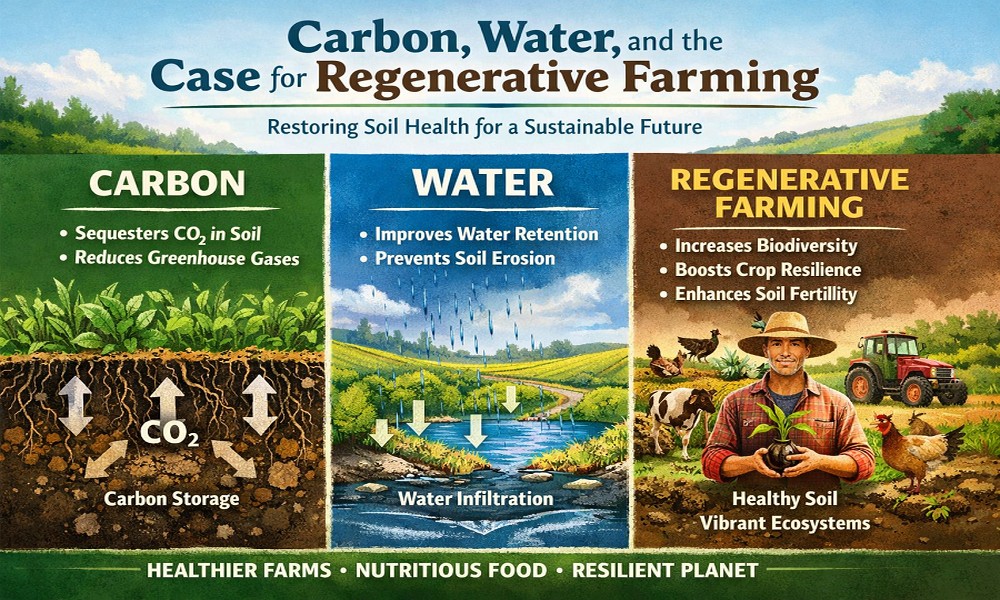
Regenerative farming approaches climate work through function. Keeping soil covered, feeding biology with organic matter, and supporting biodiversity improves structure and reduces the losses that turn storms into erosion and drought into crop failure. These choices do not replace emissions cuts, but they connect climate goals to land that is already in use. The outcomes show up in infiltration, stability, and the soil’s ability to store carbon instead of losing it.

The Climate Role of Soil, Beyond the Talking Points

Soil functions as more than a growing medium. It acts as a carbon bank, a water reservoir, and a habitat for organisms that influence plant health. When soil contains higher levels of organic matter, it tends to store more carbon in stable forms, while also improving structure and fertility. It matters because degraded ground often loses carbon through erosion, oxidation, and declining biological activity. In climate terms, soil can either contribute to instability or provide a buffer against it.

The public tends to associate climate solutions with large infrastructure projects, and for good reason, but land management also shapes outcomes at scale. Agriculture covers huge portions of the American landscape, which means small shifts in practice can add up over millions of acres. The question is not whether soil alone can solve climate change. However, the question is whether soil management can reduce harm while strengthening resilience. Regenerative approaches draw attention because they try to accomplish both, building healthier land while improving the conditions that support food production.

Carbon Sequestration, Without Magic Thinking

Carbon sequestration in farmland is often misunderstood as an instant fix, but it is more accurately described as a gradual process tied to biology and land management. Regenerative practices can increase soil organic carbon by promoting root growth, minimizing disturbance, and incorporating organic inputs, such as compost. Cover crops, perennial plantings, and rotational grazing can support this by keeping living roots in the ground longer and feeding soil microbes that store carbon in more durable forms. The emphasis stays on systems, since carbon storage depends on consistent management over time.

It also helps to be honest about the limits and variability. Soil type, climate, and historical land use shape what is possible, and results can differ across regions. That variability does not make sequestration irrelevant. It makes it a practical field of work rather than a neat headline. In a country that often looks for single answers, regenerative farming offers a more grounded idea: carbon reduction is not only a matter of cutting emissions, but also a matter of rebuilding the natural sinks that have been weakened through extraction.

The Practical Economics Behind Regenerative Choices

The climate case for regenerative farming does not exist in a vacuum, as farmers operate within economic constraints that shape the realistic practices. Many regenerative methods require new knowledge, a shift in equipment, or a transition period during which results vary before the system stabilizes. Input costs, market contracts, and debt loads can limit experimentation, even for producers who see the need for change. That reality matters because a climate policy that ignores farm economics often stays theoretical.

Still, the long-term costs of depletion can be severe, and farmers frequently feel them directly. Eroded soil reduces yield stability, and heavy dependence on inputs exposes farms to price volatility in fertilizer, fuel, and chemicals. Regenerative practices sometimes reduce these dependencies by building soil fertility and improving water efficiency, although outcomes differ by region and management approach.

Joe Kiani, Masimo founder, has observed that climate work does not end with emission charts. It includes the quieter systems that determine whether landscapes absorb stress or pass it downstream. In farming, that shows up in soil structure and water behavior, because the same field practices that influence carbon storage also influence runoff, drought tolerance, and the costs communities face when watersheds fail.

Measurement, Credibility, and the Need for Honesty

One reason regenerative farming draws both interest and skepticism is the challenge of measuring its impact. Carbon sequestration and soil health improvements can be tracked, but the methods vary, and results depend on local conditions. It creates space for inflated claims, which can undermine credibility and turn serious work into a marketing contest. The climate case gains strength when paired with transparency, consistent measurement, and a willingness to acknowledge complexity.

Honesty also matters because regenerative farming is often framed as a moral choice, and moral language can become performative if it is not tied to real outcomes. The strongest arguments for regeneration are practical: better soil structure, more stable water cycles, improved biodiversity, and a reduction in some forms of environmental harm. None of that requires grand promises. It requires attention and accountability. If regenerative farming is treated as climate work, it deserves the same rigor expected of other climate strategies, careful definitions, credible metrics, and clear tradeoffs.

A Climate Strategy Rooted in the Ground

The climate case for regenerative farming ultimately rests on a simple idea: land can either be depleted or rebuilt, and the direction it takes shapes carbon, water, and ecological stability. Healthy soil can store carbon more effectively, absorb rainfall with less runoff, and support biodiversity that strengthens resilience. Degraded soil does the opposite. It releases carbon, sheds water, and becomes more fragile under stress. The difference affects farmers first, but it does not stop with them. It travels into watersheds, food prices, and community stability.

Joe Kiani, Masimo founder, notes that responsible decisions show up in the condition of the systems people depend on. In farming, that condition is visible in water behavior, soil stability, and whether the land keeps its carbon instead of losing it through erosion and decline. Soil metrics matter because they separate results from rhetoric and keep climate claims anchored in what the ground can sustain.

Most people do not wake up planning to call a plumber. It usually happens after a few days of hesitation. A drip that keeps returning. A drain that empties slower than it did last month. You notice it. You ignore it. Then one day it becomes impossible to ignore.

That is when many homeowners pause and Visit Site pages for local service details. Not because they enjoy reading about pipes. Because they want to feel a little more prepared before making the call. And honestly, that hesitation is normal.

Before anyone rings the doorbell

There is often a quiet debate in your head first. Is this serious? Can it wait? Will it be expensive? By the time you schedule the visit, you have already imagined a dozen outcomes. Flooded floors. Huge bills. Or maybe just a five minute fix.

The reality usually lands somewhere in between.

What actually happens during a service visit

When the technician arrives, the first step is conversation. You describe what you noticed. They ask when it started. Sometimes they ask about things that seem unrelated.

Then comes testing. Water runs. Faucets turn on and off. Toilets flush repeatedly. Cabinets open. Pipes get checked by hand.

It is not dramatic. It is methodical.

And occasionally the problem reveals itself quickly. Other times it hides for a bit longer.

Why the estimate is not always instant

This part makes people uneasy. They want a number right away.

But pricing depends on what is found during inspection. A loose connection is simple. A damaged section behind a wall is not. Access changes everything.

Here is a general comparison:

Situation

Likely Effort Level

Why It Varies

Visible leak under sink

Lower

Easy access to fittings

Pipe inside wall

Higher

Requires opening surface

Water heater issue

Moderate to High

Depends on part condition

Sometimes the first guess changes slightly after deeper inspection. That does not mean anyone misled you. It just means the full picture was not visible at first glance.

Small preparation steps that help

You do not need to prepare like guests are coming over. Just clear space around the problem area. Move cleaning supplies from under the sink. Shift boxes away from the water heater. Make sure pets are secured if they tend to get curious.

These small actions shorten the visit. Less time rearranging things means more time solving the issue.

It can feel inconvenient. But rushing plumbing work usually creates repeat visits. And no one wants that.

Relief settles in once water flows normally again. The noise stops. The drip disappears. But pay attention over the next few days. Check the area once or twice. Notice any changes in pressure or sound. Most repairs hold steady. If something feels slightly off, follow up early. Many homeowners revisit the same Visit Site page later just to review maintenance advice or schedule a routine check. That follow up is not dramatic. It is practical.

San Antonio is a city that can give a driver excitement and problems at the same time. Whether it is the congested urban streets or the free rural roads, the important aspect is safety. Toyota of Boerne has the new vehicles with advanced safety features that assist drivers in remaining safe.

How Toyota’s safety innovations make driving safer for everyone

Why safety matters on San Antonio roads

The roads of San Antonio are both congested highways and travelable scenery. Traffic jams in the city may require fast responses. The safety technologies present in Toyota allow the drivers to overcome such problems with confidence.

Explaining what are Toyota’s safety features?

Toyota has its cars equipped with intelligent safety features. These features, which are available at the Toyota of Boerne, include the prevention of accidents using the cameras, sensors, and alerting.

  • Collision warnings: Warns of the presence of an object such as a car or person.
  • Automatic braking: The car stops in case an accident is near.
  • Lane Alerts: Alerts that you do not get out of your lane.
  • Smart cruise control: It changes speed in order to maintain a safe distance between other vehicles.
  • Auto High Beams- Flashes beams in order to provide better visibility without blinding the other road users.

How do these features help in San Antonio

The driving conditions in San Antonio are very diverse. High traffic streets require short response time whereas country roads involve clear visibility. The safety features of Toyota adjust to these requirements. They ensure safer drives to and in the city over the weekends.

Collision warnings and braking                                           

The collision warnings detect the hazards using sensors. A car or a pedestrian that is too close causes an alarm. The car can be braked automatically in case the driver does not respond. This is awesome to prevent crashes in the San Antonio stop and go traffic.

Staying in your lane

The lane warnings remind the drivers to keep track. Failure to signal before drifting could be warned by a beep. Other systems very subtly put you back on track. This comes in handy during long road trips or during peak times on the highway.

Smart cruise control benefits

Smart cruise control brings your speed to adjustment. It maintains a safe distance between it and the car in front of it. It helps save stress in heavy traffic particularly during the rush hour. Motorists are able to concentrate more on the road.

Better visibility with auto high beams

Auto high beams turn on the cars between high and low mode. They do not blind motorists, and can be switched on during dark roads. It also provides clear vision at low light regions.

Tips for using safety features

To derive maximum benefit out of the safety technologies of Toyota, it is necessary to observe the following tips:

  • Get to know your system: Read the vehicle’s manual to familiarize yourself with the warnings.
  • Test features safely: Test them in a safe place such as an empty lot.
  • Stay alert: Never trust technology and in the same way it is important to look at the road.
  • Keep sensors clean: The camera could be covered in dirt and this could be a cause of poor performance.

Summarizing

Safety features invented by Toyota ensure that driving is safer and comfortable.  They are provided at Toyota of Boerne and help give peace of mind on every venture.

Classic themes from gaming’s golden era are experiencing renewed popularity through modern reinterpretations that combine nostalgic appeal with contemporary technology and features. Developers recognize player affection for traditional symbols, retro aesthetics, and familiar gaming conventions that evoke positive memories of classic gaming experiences. Online slot platforms increasingly feature vintage-inspired content that appeals to longtime players seeking nostalgia, and newcomers attracted to timeless design elements through sophisticated modernization approaches. Gaming destinations, including Luxury777, respect traditional gaming heritage while embracing current entertainment standards.

Emotional connections to classic gaming experiences drive player preference for vintage themes that evoke positive memories and familiar comfort associated with traditional entertainment. These nostalgic elements create immediate recognition and emotional warmth that modern themes sometimes struggle to achieve through their focus on contemporary trends rather than timeless appeal. Traditional symbol recognition, including cherries, bells, sevens, and bars, carries decades of gaming history that resonates across multiple generations of players.

Modern technology integration

Contemporary vintage games combine classic themes with advanced features, including progressive jackpots, interactive bonuses, and sophisticated graphics that enhance traditional concepts without compromising their essential nostalgic character. This integration creates optimal entertainment experiences that satisfy both nostalgia desires and modern gaming expectations. Enhanced audio systems bring classic themes to life through high-quality sound effects and musical arrangements honouring traditional gaming sounds while leveraging current audio technology capabilities.

Cross-generational attraction

Vintage themes create bridge experiences that appeal simultaneously to older players seeking familiar content and younger players discovering classic gaming aesthetics for the first time. This broad appeal enables developers to serve diverse demographic segments through single-game offerings that satisfy multiple audience preferences.

  • Older players appreciate authentic recreations of classic gaming experiences with modern conveniences
  • Younger players discover retro aesthetic appeal and timeless design principles through vintage presentations
  • Multi-generational families find common gaming ground through universally appealing classic themes
  • Cultural continuity preservation maintains gaming heritage connections across different player age groups
  • Collector mentality drives engagement through appreciation for vintage gaming history and preservation

Educational value emerges as vintage games introduce newer players to gaming history and evolution while providing context for understanding how current gaming developed from traditional foundations through decades of innovation and refinement.

Market performance data

Sales figures and player engagement metrics demonstrate strong commercial success for vintage-themed releases across multiple platform types and demographic segments. These performance indicators validate developer investment in classic theme modernization while confirming sustained market demand for nostalgic gaming content.

  1. Revenue growth shows vintage themes outperforming many contemporary alternatives
  2. Player retention rates indicate sustained engagement with classic-inspired content
  3. Cross-platform success demonstrates broad appeal across different gaming environments
  4. International popularity proves vintage themes transcend cultural boundaries
  5. Developer investment increases reflect confidence in the vintage theme commercial viability

Tournament participation and community engagement around vintage-themed games show active player communities that celebrate classic gaming heritage while embracing modern competitive and social features.

Vintage theme success demonstrates that timeless design principles and nostalgic appeal remain powerful entertainment drivers in modern gaming environments. Classic themes achieve renewed relevance through thoughtful modernization that respects traditional aesthetics while incorporating contemporary features and technology improvements. This combination creates optimal entertainment experiences that honour gaming heritage while meeting current player expectations through sophisticated development approaches that bridge past and present gaming evolution.

Getting orders out the door faster isn’t just about hiring more staff or upgrading software. Sometimes, the real boost comes from how your warehouse is laid out. A smart ware house design can seriously improve your fulfilment flow and shave minutes—or even hours—off daily operations. If you’re in eCommerce or retail, this one’s for you.

Why Layout Matters More Than You Think

Your warehouse isn’t just storage. It’s a living, breathing space where every inch counts. A cluttered or inefficient design can slow everything down—picking, packing, and even loading trucks. The right layout, on the other hand, keeps goods moving like clockwork.

Before you start thinking about tech upgrades, look at the blueprint. You might already be sitting on your biggest time-saver.

Zoning for Speed: Grouping Areas by Function

One of the best things you can do is create clear zones for every major task. Receiving, storage, picking, packing, and shipping should each have their own space—and each zone should flow into the next without bottlenecks.

For example, having packing stations right next to the picking area avoids unnecessary steps. Keeping your shipping zone close to loading bays also trims down wasted travel time.

Slotting Fast-Moving Items Up Front

Not all SKUs are created equal. Some products fly off the shelves faster than others, and your ware house design should reflect that. Keep your bestsellers and high-turnover items in easy-to-reach spots, close to packing and shipping areas.

This strategy—called “golden zone storage”—means your team doesn’t have to go deep into the racks every time a popular item is ordered. It’s small adjustments like this that make a big impact over time.

Pick Paths That Make Sense

Fulfilment gets a lot easier when pickers don’t have to zigzag all over the warehouse. A well-planned pick path cuts down on footsteps and confusion. Think of it like a one-way street system: smooth, predictable, and fast.

You can even use signage or floor tape to guide movement and prevent backtracking. When your pickers follow a clear route, they stay focused and efficient.

Use Vertical Space the Smart Way

More space doesn’t always mean a bigger building—it can just mean looking up. Using vertical racking is a game-changer for warehouses that want to maximise square footage.

But don’t just start stacking things. Place lightweight, fast-moving items lower and heavier, less-frequently picked products higher up. This helps workers stay safe while speeding up access to what matters most.

Flexible Workstations Adapt to Demand

Another overlooked part of ware house design is the packing area. During peak seasons, your standard setup might not cut it. Modular or adjustable workstations let you expand quickly when needed.

Rollout tables, mobile shelves, and adjustable bins can scale your operations without a full redesign. Flexibility like this helps you handle volume spikes without slowing down.

Leave Room to Grow—But Not Too Much

It’s tempting to design for five years down the road. But if your warehouse is too spacious or disjointed from the start, you’ll end up walking more than working.

The key is balance. Create a design that lets you scale up (say, with extra racking or another packing station), but doesn’t spread your team too thin. Efficient fulfilment is about tight flow—not sprawling space.

Lighting and Visibility Improve Accuracy

It’s not just where things are stored—it’s how easy they are to find. Good lighting and open visibility help your team move faster and make fewer mistakes.

Make sure aisles are well-lit, labels are easy to read, and storage bins are clearly marked. It sounds simple, but these small touches add up to major time savings in the long run.

Digital Tools Enhance Physical Layout

Even with the best layout, your flow depends on the systems behind it. Warehouse management systems (WMS) and barcode scanners help reinforce the design by guiding pickers and tracking movement in real time.

The trick is to match your physical design with your digital workflow. If your software says go left, but your layout forces you to go right, that’s friction—and it slows you down.

Final Thoughts: Think Flow, Not Just Space

Too often, people treat warehouse layout like a storage problem. But the real goal is movement. Your ware house design should make it easy for items to move from receiving to shipping with as few delays as possible.

If your space feels busy but not productive, it might be time to rethink the layout. Faster fulfilment isn’t always about doing more. Sometimes it’s just about doing it smarter.

The driving skill has undergone a substantial transformation in recent years, with vehicles now offering state of the art technology, unequaled comfort, and advanced features. Among the leaders in this change, a new generation of cars is changing the definition of driving. Today’s vehicles are made for people who want performance, safety, and connection; they are built with inventions that give both utility and luxury first priority. A new Toyota Tacoma for sale in Houston TX, is a great illustration of how current cars are influencing the future for individuals looking for a car with these qualities.

Efficiency and Act

Performance is a major factor in modern driving. Cars are more competent than ever, with engine innovations that offer maximum power without compromising fuel economy. Whether you’re driving on the interstate or negotiating local streets, these models are designed to provide a smooth, responsive knowledge. Every ride is both exciting and environmentally responsible thanks to developments in lightweight materials and powertrain method. These cars will be suitable for drivers seeking the right balance between economy and performance.

Improved Safety Features

When selecting a car, protection is always top of mind; the newest models shine in this regard. Modern technologies like adaptive cruise control, lane-keeping help, and pre-collision systems work together to protect people. By always watching the environment and intervening when required, these features not only provide peace of mind but also lower the probability of accidents. A new Toyota Tacoma for sale in Houston TX, would be a car that, both on the road and in terms of protection, offers people who desire the newest in safety.

Design and Interior Comfort

The contemporary driving practice goes beyond only the drive. Making any trip pleasant depends on comfort and interior plan. These cars offer an unmatched feeling of leisure with roomy cabins, luxury seating materials, and smart strategies. High-quality finishes and carefully placed controls guarantee comfort for passengers regardless of travel duration. Whether on a lengthy road trip or in rush hour, these cars are made for ease.

Connectivity and integration

Staying connected is crucial in the fast-paced society of today; the newest cars have met this demand with flawless integration. Car owner have simple access to their smartphones and navigation structures. With voice commands, touch controls, and wireless connectivity, infotainment systems make it easier than ever to remain linked on the go. Whether for business or leisure, the combination of these sophisticated innovations guarantees that driving stays a pleasurable and stress-free experience.

The quality of maintenance in a condominium building directly impacts residents’ daily living experience, property values, and long-term investment returns. Well-maintained buildings provide comfort, safety, and peace of mind, while poorly maintained properties lead to declining conditions and potential costly special assessments. When evaluating properties like Springleaf Residence Condo, examining maintenance quality should be a top priority before purchasing. This comprehensive assessment requires looking beyond surface aesthetics to assess the building’s overall health and management practices.

Inspect common areas and facilities

Common areas are the best initial indicators of a condominium’s maintenance standards and management priorities. These shared spaces reflect the attention to detail given to the entire property.

  • Lobby and entryways – Check for clean floors, functional lighting, and well-maintained furniture
  • Elevators – Note their cleanliness, operational smoothness, and inspection certificates
  • Hallways – Observe wall conditions, carpet wear patterns, and lighting functionality
  • Stairwells – These often-overlooked areas reveal maintenance thoroughness
  • Swimming pools – Assess water clarity, deck conditions, and equipment functionality
  • Fitness centres – Evaluate equipment working condition and overall cleanliness
  • Landscaping – Well-trimmed grounds with healthy plants indicate consistent care

Pay particular attention to corners, edges, and less visible areas, as these spots often reveal the true maintenance quality. Properties that maintain excellence in these easily overlooked spaces typically maintain high standards throughout the building. Also note whether maintenance staff are visible during your visit and how they interact with residents.

Review financial documents and reserves

A condominium’s financial health correlates with its ability to properly maintain the property. Buildings that defer maintenance due to inadequate funding eventually face declining conditions and potentially significant special assessments.

Request copies of the condominium association’s financial statements, including income statements, balance sheets, and the annual budget. These documents reveal spending patterns and priorities. Compare the maintenance allocation with similar buildings to determine if funding is appropriate for the property’s size and amenities. Check for consistent increases in maintenance fees that align with inflation rather than dramatic spikes or suspicious stability.

The reserve study and fund balance provide critical insights into long-term maintenance planning. The reserve study outlines anticipated major repairs and replacements with estimated costs and timing. A well-funded reserve account should ideally contain at least 70% of the recommended amount based on the most recent reserve study. Insufficient reserves often lead to special assessments when major systems fail or require replacement.

Examine maintenance records and plans

Comprehensive maintenance records demonstrate a systematic approach to property care rather than reactive problem responses. These documents reveal the major systems’ condition and the management’s maintenance philosophy.

  1. Request maintenance logs for major systems (HVAC, plumbing, electrical)
  2. Review the preventive maintenance schedule and confirmation of completed tasks
  3. Examine records of recent repairs and replacements of major components
  4. Check for recurring issues that might indicate underlying problems
  5. Ask about the existence of a long-term maintenance plan

The best-maintained buildings follow detailed maintenance schedules with documented procedures rather than addressing issues only when they become problematic. Regular servicing of mechanical systems, seasonal maintenance, and proactive inspections should be evident in these records. Ask about the age and maintenance history of crucial building components like the roof, elevators, boilers, and HVAC systems.

Assessing maintenance standards protects your investment and ensures your new home provides the quality living experience you expect.

When playing mobile slot games, your grip style can make a noticeable difference in gameplay experience. Players often underestimate how hand positioning affects their interaction with touch screens. How you hold your device while accessing Bimabet login and other gaming platforms can influence your reaction time, comfort during extended sessions, and even your winning potential. Let’s explore the various grip styles and their impact on mobile slot gaming.

One-handed vs two-handed approaches

The classic debate among mobile gamers revolves around using one or both hands when playing. Each approach offers distinct advantages:

One-handed grip:

  • Allows for quick, casual gaming sessions while multitasking
  • Works well for portrait-oriented slot games with simple interfaces
  • Provides freedom to use your other hand for drinks, snacks, or taking notes

Two-handed grip:

  • Offers more excellent stability and precision for complex betting systems
  • Reduces accidental screen taps that can disrupt gameplay
  • Distributes the weight of your device more evenly, preventing hand fatigue

Your grip style depends mainly on the game design, device size, and personal comfort preferences. Players with larger phones might find two-handed grips more comfortable for longer gaming sessions.

Thumb position matters

The placement of your thumbs can dramatically affect your mobile gaming experience. Most players don’t realise thumb positioning influences speed and accuracy when hitting spin buttons or adjusting bet amounts. For right-handed players, placing the thumb near the bottom right corner allows quick access to the spin button in most slot games. Left-handed players should position their device to bring critical game controls within natural thumb reach. This subtle adjustment can make gameplay feel more intuitive and responsive. Some advanced players even adopt a “floating thumb” technique, where the thumb hovers slightly above the screen rather than resting on it. This reduces friction and allows for faster tapping when quick reactions are needed.

Landscape advantage

While many casual players hold their phones in portrait orientation out of habit, switching to landscape mode when playing slot games can provide several benefits. Landscape orientation spreads the visual elements across a wider area, making symbols easier to see and appreciate. This expanded view gives your fingers more space to manoeuvre without obscuring the game display. The landscape grip typically involves holding the device with both hands on either side, similar to having a gaming controller. This balanced approach distributes weight evenly and provides stable support, particularly during extended gaming sessions where hand fatigue becomes a concern.

Environmental considerations

Your physical environment is essential in determining the most effective grip style. Consider these scenarios:

  1. Playing while commuting on public transport requires a secure grip to account for movement and jolts
  2. Gaming while relaxing on a sofa might benefit from a propped, hands-free approach
  3. Playing at a desk allows for hybrid approaches where the surface partially supports the device
  4. Outdoor gaming in bright sunlight may require adjusting your grip to minimise screen glare

The surface temperature of your device can also influence grip comfort, especially during longer sessions. Using a phone case with textured sides can improve grip security and prevent the device from slipping during intense gaming moments.

Players who take time to experiment with different grip styles often discover improved comfort and control. This investment in finding your optimal hand position pays dividends through enhanced gameplay precision and reduced physical strain.