Author

Laverne Busby

Browsing

The sight of a burning candle, with its flame dancing gently, can be mesmerizing. It’s more than just a beautiful image; it has the power to stir something deep within you. If you’ve ever felt a connection with a candle’s glow, you might be ready to explore the world of candle magic. The warm, comforting light of a flame can do more than provide illumination; it can help you focus your thoughts, direct your intentions, and manifest your desires.

Fire has been a powerful symbol and tool in cultures worldwide, representing transformation, energy, and the power to create change. Candle magic taps into this ancient energy, allowing you to channel your intentions into the Universe and attract what you seek—whether it’s abundance, health, peace, love, or prosperity. To use candle magic and manifestation candles effectively, it’s crucial to have a clear and focused intention. Without clarity, the energy you send out may not align with your true desires, or you may manifest your wishes in ways that aren’t helpful. The candle serves as a medium, helping you direct your energy towards the Universe.

One fundamental rule of candle magic—and all forms of spiritual practice—is to never use it to harm others. The energy you put out into the world will return to you, so always focus on positive intentions.

Getting Started with Candle Magic

  1. Choosing the Right Candle: The first step in candle magic is selecting a candle that aligns with your intention. Different colors have specific meanings and energies, so it’s important to choose a candle that resonates with what you’re asking for. Ideally, use a new candle that hasn’t been used for any other purpose, as this ensures that the energy you’re working with is pure and undisturbed.
  2. Amplifying Your Intentions: You can enhance the power of your candle magic by incorporating other elements such as dried flowers, herbs, crystals, and essential oils. These additions can help strengthen your connection to your intention and amplify the energy you’re sending out. Place the candle in a clean, undisturbed area where you can focus without distractions.
  3. Meditation and Focus: Before lighting the candle, take a few minutes to clear your mind through meditation. This will help you relax and focus on your intention. It’s important to approach this practice with a clear mind and an open heart. If you’ve purchased a candle that is Reiki charged or made with specific spiritual practices like hoodoo, be sure to follow the instructions that come with it.
  4. Creating a Ritual: Candle magic is a personal and intimate practice. While there are basic steps to follow, how, when, and where you perform your ritual is entirely up to you. Make the process enjoyable and meaningful by creating your own rituals. This could include praying, chanting, or simply speaking your intentions aloud. After lighting the candle, take some time to visualize your desire manifesting. Picture how it will feel when your wish comes true and focus on that positive energy.

Candle Color Meanings and Their Uses

Understanding the meanings of different candle colors can help you choose the right one for your specific needs:

  • Orange: Represents stamina, success, prosperity, youthfulness, and independence. It’s also good for bringing about sudden changes.
  • Yellow: Symbolizes confidence, optimism, charm, and communication. It’s a great choice for attracting good luck and enhancing concentration.
  • Green: Associated with harmony, balance, money, growth, and healing. Green candles are perfect for new beginnings.
  • Blue: Ideal for meditation, loyalty, and spiritual protection. It can also help in overcoming addiction, finding inner peace, and healing from trauma.
  • Purple: Enhances psychic abilities, astral travel, wisdom, and ambition. It’s also used to combat insomnia and bad karma.
  • Red: Represents energy, courage, fertility, and passion. Red candles can help dispel negativity and provide strength.
  • White: Used for cleansing, purifying, and bringing truth. White candles are also associated with blessings, unity, and relieving tension.
  • Black: Offers protection and can reverse hexes or curses. Black candles absorb negative energy and can support loss, grief, and illness.
  • Brown: Brings balance, stability, and grounding. It’s also connected to travel, renewal, financial success, and enhancing telepathic abilities.
  • Pink: Associated with romance, friendship, spiritual healing, and self-love. Pink candles are also good for fostering faith and forgiveness.
  • Gray: Helps with imagination, visions, and wisdom. Gray candles provide psychic protection and patience, and they help overcome obstacles.
  • Gold: Represents abundance, happiness, and knowledge. Gold candles can enhance influence, divination, and personal power.
  • Silver: Connected to the astral realm, ambition, and fame. Silver candles can help with communication with ancestors and boosting creativity.

Final Thoughts on Candle Magic

Candle magic is a deeply personal practice that allows you to connect with your inner self and the Universe. By setting a clear intention, choosing the right tools, and creating a ritual that resonates with you, you can harness the power of fire to manifest your desires. Remember, the energy you put into the world will come back to you, so always focus on positive intentions. As you light your candle, pour your spiritual energy into it, and express gratitude for the blessings you are about to receive. With the right mindset and approach, candle magic can be a powerful tool for transforming your life.


Powering our world while preserving the health of our planet has become a paramount concern. In the face of climate change and the dwindling of finite resources, finding reliable energy solutions that prioritize renewable and sustainable sources has never been more important. Luckily, with the rise of green energy initiatives, we have the means to create a greener future for ourselves and future generations. In this article, we will dive into the realm of green energy solutions and explore how they can provide the reliability we need for a sustainable world.

Understanding the Green Energy Initiative

Before we delve into the world of reliable energy solutions, let’s take a moment to understand what clean energy initiatives are all about. Green energy, also known as renewable energy, comes from sources that are naturally replenished and do not deplete the Earth’s resources. These sources include sunlight, wind, water, geothermal heat, and biomass.

Providing Reliable Energy Solutions

When it comes to choosing reliable energy solutions, certain factors need to be considered. To ensure a sustainable and stable energy source, we need solutions that are consistent, scalable, and environmentally friendly.

Sustaining Consistency

A reliable energy solution should deliver a consistent supply without frequent disruptions or downtime. Traditional energy sources, like fossil fuels, often experience interruptions due to fluctuating prices and the potential for geopolitical conflicts. In contrast, green energy sources such as solar power, wind power, hydroelectric power, geothermal energy, and biomass energy deliver a stable and consistent flow of energy, making them more reliable options in the long run.

Scalability to Meet Increasing Demands

As our world develops and energy demands grow, it’s crucial to have energy solutions that can scale accordingly. Green energy sources can be expanded and customized to meet increasing energy demands. Solar power farms can have additional panels installed, wind farms can add more turbines, and hydropower plants can be expanded to harness greater amounts of energy. This scalability factor ensures that green energy can keep up with our evolving needs.

Sustainability without Harming the Environment

Traditional energy sources are notorious for their negative environmental impacts, releasing pollutants and greenhouse gases into the atmosphere. In contrast, green energy solutions offer a sustainable option that preserves the planet’s health. Solar power doesn’t emit harmful gases, wind power doesn’t produce pollution, and hydropower doesn’t generate waste. By choosing green energy, we can significantly reduce our carbon footprint and combat climate change.

Exploring Different Types of Green Energy Solutions

Now that we understand the significance of green energy solutions, let’s explore some of the most commonly adopted types:

Solar Energy

Solar energy harnesses sunlight to generate electricity using photovoltaic panels or concentrated solar power. Solar power is abundant, accessible, and has minimal impact on the environment once the initial infrastructure is in place. Countries like Germany have made significant strides in implementing solar energy initiatives, utilizing rooftops and solar farms to power homes and businesses.

Wind Energy

Wind energy captures the power of moving air using wind turbines. It is a rapidly growing industry with many countries investing in wind farms both onshore and offshore. Denmark is a leading example of leveraging wind energy to meet its electricity demands. The Danish government encourages wind energy development and has set ambitious goals to transition entirely to renewable energy by 2050.

Hydroelectric Power

Hydroelectric power harnesses the energy of moving water to generate electricity. Dams or tidal barrages are built to capture the potential energy of water and convert it into electrical energy. Countries such as Costa Rica have embraced hydroelectric power, utilizing their abundant water resources to achieve a high percentage of renewable energy in their national grid.

Geothermal Energy

Geothermal energy taps into the heat found beneath the Earth’s surface. By drilling deep into the ground, we can access steam and hot water that can be used to generate electricity or for heating purposes. Iceland is a prime example of a country successfully using geothermal energy to meet its heating and electricity needs. The country’s volcanic activity provides an abundant and sustainable heat source.

Biomass Energy

Biomass energy is derived from organic matter, such as plant materials and agricultural waste. This energy source can be used for electricity generation, heating, and cooking. Local communities and industries can employ biomass energy solutions, reducing reliance on fossil fuels and promoting sustainability.

Challenges and Future Outlook for Reliable Green Energy Solutions

While green energy solutions offer immense potential, several challenges need to be addressed to achieve widespread adoption and reliability.

One major challenge is the intermittency of some renewable energy sources. Solar power generation is dependent on sunlight, and wind power production relies on the speed and consistency of wind. Storage technologies, such as advanced batteries and grid management systems, are being developed to address this issue and improve the reliability of green energy.

Another challenge lies in the initial investment required for infrastructure development. Although green energy sources ultimately prove cost-effective in the long run, the initial costs can be barriers for countries and communities with limited resources. Encouraging government policies, subsidies, and private investments are vital to overcome this challenge.

The future outlook for reliable green energy solutions is highly promising. Technological advancements, research, and innovation continue to drive progress in renewable energy generation and storage. As more countries and communities prioritize sustainability, the economic viability and reliability of green energy solutions will only increase.

Conclusion

Powering a greener tomorrow requires reliable energy solutions that prioritize sustainability. Green energy initiatives offer a pathway to achieving this goal by providing consistent, scalable, and environmentally friendly energy sources. By embracing solar power, wind energy, hydroelectric power, geothermal energy, and biomass energy, we can transition to a more sustainable world.

Countries like Denmark, Germany, and Costa Rica have set inspiring examples, showcasing the potential of green energy in delivering reliable solutions. While challenges still exist, continuous advancements in technology and supportive policies will pave the way for a future powered by sustainable and reliable green energy solutions. By making conscious choices and supporting renewable energy initiatives, we can create a greener planet for ourselves and future generations.

Several species of trees are known for their fast growth rate, and paulownia is one of them. The tree is also widely known as the Empress Tree and the Princess Tree. The tree is native to China, Korea, and Japan. However, now considering its benefits, it is being cultivated in many regions around the globe.

Key features of the Empress Tree

Paulownia Tree has many unique features, and this is the reason why the market of plantation-grown Princess trees is expanding speedily. If you are looking forward to growing and selling this wonderful tree, it is best to seek some professional advice from Paulownia Energy. They offer individual approaches to every customer, as well as help in selecting the best tree species considering the customer’s climate zone. To develop a project in Europe, consider calling them.

Some of the characteristics of the Empress tree worth knowing are:

  • Speedy growth rate: The tree grows about 10 to 15 feet in a single season, and reaches its maturity in just a span of 5 to 7 years. This fast growth rate makes it a perfect option for timber production. Also, it is an ideal choice for reforestation projects.
  • Size and shape: Typically, the Princess tree will reach a height of 30 to 60 feet, and will spread about 20 to 30 feet. These trees have a straight cylindrical trunk and a broad spreading crown.
  • Leaves: Most species of empress trees have dark green leaves of heart shape. These leaves are soft to the touch and grow up to 12 inches.
  • Flowers: The tree produces attractive large fragrant clusters of lavender flowers in Spring.
  • Timber: The timber of the Empress tree is very lightweight yet strong and durable. It is perfect for making furniture. Also, it is used for veneer, pulp, and other industrial applications.
  • Medicinal properties: the tree is known to have anti-inflammatory and antimicrobial properties.

There are even such species of the Empress tree that are specifically cultivated for their ornamental beauty. Paulownia Elongate is one of them. You will find this beautiful tree with purple flowers and big leaves in many gardens and parks.

Paulownia Wood

Just like any other tree, the Empress tree is mainly cultivated for its timber. If you plan to grow paulownia for its timber, you will be happy to know that it can be used in a variety of applications like furniture making, construction, musical instruments, etc. Some of the characteristics that make this timber unique are:

  • Lightweight: It is easy to handle, transport, and work with it.
  • Sturdiness: It exhibits surprising strength, and thus can be used in the field of construction.
  • Straight grain: Its appealing straight grain makes it ideal for use in furniture and cabinetry, as well as in high-end woodworking projects.
  • Stability: The Paulownia wood is resistant to bending, cracking, and splitting. This makes it suitable for both indoor and outdoor applications.
  • Versatile: The timber is easy to paint and stain. This means it is possible to achieve any look and style.

There you go. Now you know enough about the Empress trees. Nevertheless, if you wish to know more, do check out the Official Facebook Profile of Paulownia Energy. They regularly post educational videos that are worth watching.

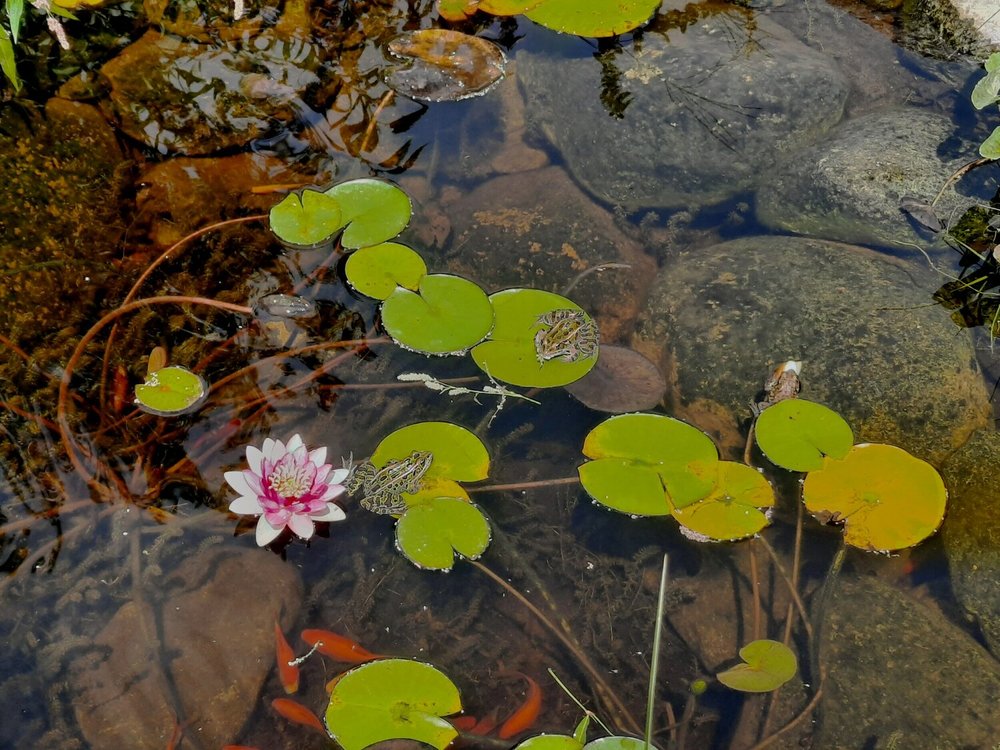
Maintaining a healthy and thriving pond requires year-round attention and care. Whether it’s the summer heat, falling leaves in autumn, or freezing temperatures in winter, each season brings unique challenges for pond owners. To keep your pond in optimal condition, it’s essential to understand the best practices for pond maintenance throughout the year. 

Spring Pond Maintenance

  • Check The Water – Add water treatments that contain beneficial bacteria to your pond. This will help control the growth of unwanted plants. 
  • Clean The Pond – To prepare your pond for the upcoming season, begin by clearing out any leaves and debris. If you choose to drain your pond, a pressure washer can effectively remove debris and scum from rocks and gravel. Alternatively, a clean-out pump can be used to eliminate dirty water, but it’s important to remove any fish or other creatures first if they remain in the pond during winter.
  • Add Fish – To ensure a successful introduction of new or returning fish to your pond, it is crucial to acclimate them. After cleaning out your pond, add pond detoxifiers and allow the fish to adjust to the water temperature by placing them in a bucket or bag within the pond for approximately 15 minutes.

Summer Pond Maintenance

  • Check On The Pond Water – Add a pond aerator or bubbler to improve oxygen levels and prevent a hazardous environment for fish. Maintain optimal water levels by adding small amounts of water as needed to prevent evaporation.
  • Check On Plants – Provide partial shade with plants or an umbrella to shelter fish from the sun.
  • Check On Fish – Refrain from overfeeding fish to avoid leftover food and decaying debris that can lead to a harmful environment. Regularly monitor fish and plants for signs of distress or unusual behavior, such as sores or wilting.

Fall Pond Maintenance

  • Get Rid Of Leaves – During this time of year, it’s important to be vigilant about the accumulation of leaves and debris around your pond. If you have a significant number of deciduous trees in close proximity to your pond, it may be beneficial to consider using a pond net to cover it throughout the season, making your maintenance tasks simpler.
  • Remove Fish – If you have fish and plants that cannot tolerate the winter season, it is necessary to remove them and keep them indoors throughout the winter if you intend to reintroduce them to your pond in the spring.

Winter Pond Maintenance 

  • Treat The Water – To minimize maintenance in the spring and maintain water quality in your pond, you can add a bacteria treatment specifically designed for cold water that can keep debris from building a harmful environment.
  • Remove Your Pond Pump – To shut down your pond for the winter, remove the pump and filters, drain, and store them indoors in a warm area such as a garage or basement. To prevent damage from freezing, drain water lines and remove water from fountains.

View products for pond maintenance and keep your pond in good condition all year long!

Sometimes it happens that the holidays or the weekend you have planned get ruined because of unexpected rainfall. This can be the cause of your disappointment as you have already checked the weather forecast, and then you blame the meteorologist. However, after the advent of the latest technology, people rely too much on weather forecasts without ruining their events. Further, with the help of historic temperature, rainfall, and other data, the authorities plan many events by understanding their importance. Meteorologists are proficient in assisting forecast models and historical weather data. In this article, we will confine our discussion to how meteorologists use historical weather data to predict the weather.

Things You Need to Know about Historical Weather Data

Historical weather data is a database that carries information about weather conditions in the past few hours, days, or weeks. Further, certain variables or parameters include temperature, rainfall, wind direction, speed, barometric pressure, etc. Generally, experts keep a record of weather data for the past few days in their historical weather database. However, you can also collect the data of years, decades, and even centuries of weather information. This is because meteorologists maintain long, well-detailed records that are safe and well-protected records. 

Typically, Meteorologists use historical weather data to understand the climate conditions and predict future events and climate conditions. Personal weather stations also grab this kind of data. However, language is also essential in understanding the weather forecast for specific regions. The actual value of historical weather data is typically utilized in understanding how meteorologists reckon and predict the different types of climate conditions.

How Meteorologists make Weather Predictions

Data Gathering – Meteorologists use different tools and equipment to collect weather data. For example – sensors on the ground, beneath the ocean, and even in the air. These devices help professionals calculate and predict the exact weather forecasts.

Through Supercomputers – Weather data is collected every day, and each region of the country is covered. However, to record such massive data, experts require supercomputers. A supercomputer weighs more than 50 metric tons and has several air-conditioned hallways. These consume a lot of energy in predicting upcoming forecasts.

Through Weather Forecasting Models – Different forecasting models gather information and provide accurate weather predictions. As a result, they are used by various meteorologists and climatologists. The two most opted are ECMWF and the GFS.

Summing Up

Hence, these are the things that you need to know about historical weather data and how meteorologists use this data to predict the weather. However, if you require professional assistance regarding weather predictions or anything relevant to the historical weather report in Auburn, you can consult AWIS Weather Services. You can contact them if you need accurate weather data, unique weather forecasts, and custom-packaged weather solutions. To know more about the firm, you can visit – www.awis.com.

How to Make Coco Peat  at Home?

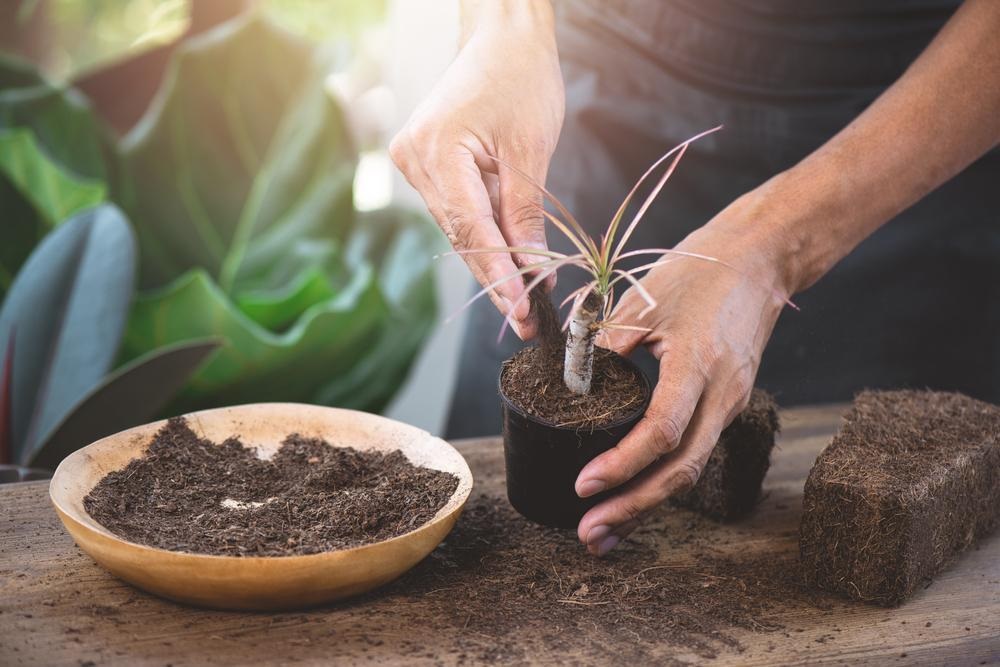
We can make coca peat at  home like Coco peat manufacturer’s do.The process of producing coco peat using coconut husks obtained from local sources and using basic equipment. It involves chopping the husks, soaking them in water to soften them, separating the fibers from the coco peat, straining the water, squeezing out the excess water, and allowing the coco peat to dry. The dried coco peat can then be stored for use as a soil amendment or growing medium.

Here are the Steps to Make Coco Peat at Home

Coco peat is a versatile and eco-friendly growing medium that can be used for a variety of plants, including vegetables, flowers, and ornamental plants. It is lightweight, easy to handle, and retains moisture well, making it a great option for both indoor and outdoor gardening.

It is made by processing coconut husks and removing the fibers, leaving behind a spongy, peat-like material.

The cost-effective coco peat block price at the local gardening store made it more affordable for me to make my own coco peat blocks at home rather than buying them from a professional manufacture.

Obtain coconut husks: The first step in making coco peat is to obtain coconut husks. You can buy them from a local coconut seller or farmer, or you can collect them yourself if you live in an area where coconuts are grown. Look for husks that are fresh and free from mold or rot.

Chop the husks: Once you have obtained the coconut husks, the next step is to chop them into small pieces using a sharp knife or machete. This will make it easier to separate the fibers from the coco peat.

Soak the husks: Place the chopped husks in a large container or trough and cover them with water. Allow the husks to soak for several days to soften them. The soaking time will depend on the type of husks you are using and the humidity of the area. For best results, soak the husks for around 5-7 days.

 Separate the fibers: After the husks have soaked for a few days, use your hands or a machine called Coir pith Composter to separate the fibers from the coco peat. The fibers can be used for other purposes such as making rope or mats.

Strain the water: Once you have separated the fibers from the coco peat, strain the water through a sieve or strainer to remove any debris. Collect the coco peat in a bucket or container.

Squeeze out the water: Squeeze out as much water as possible from the coco peat. This will make it easier to dry and will also remove any impurities that may be present.

Allow the coco peat to dry: Once you have squeezed out the water, allow the coco peat to dry in the sun or in a well-ventilated area. You can spread it out on a tarp or in a tray to dry. The drying time will depend on the humidity of the area and the thickness of the coco peat. To ensure the coco peat is completely dry before storage, you can also dry it in an oven or microwave.

Store the coco peat: Once the coco peat is dry, store it in a dry, airtight container. It can be used as a soil amendment or growing medium for hydroponics and gardening.

Here are Some Common Ways to Use Coco Peat at Home

As a soil amendment: Coco peat can be mixed with soil to improve its water-holding capacity and aeration properties. This makes it an ideal growing medium for plants in dry or drought-prone areas.

In container gardening: Coco peat can be used as a growing medium in container gardening, particularly for plants that require consistent moisture.

As a mulch: Coco peat can also be used as a mulch to retain moisture and suppress weeds in gardens and landscaping.

In hydroponics: Coco peat is an ideal growing medium for hydroponics, as it can hold a large amount of water and provide good drainage and aeration for plants.

As a seed starting medium: Coco peat can be used as a seed starting medium, as it is pH-neutral, lightweight, and easy to work with.

As a soil conditioner: Coco peat can also be used to condition soil in indoor and outdoor gardens, it can improve the quality of the soil and provide the necessary NPK values for plants.

Uses of Coco Peat at Various Industries

Agriculture: Coco peat is commonly used as a soil amendment and growing medium in agriculture, particularly in hydroponics and gardening. It is known for its ability to retain water, providing a consistent level of moisture for plants, and its good drainage and aeration properties, which help to prevent waterlogging and promote root growth.

Horticulture: Coco peat is also used as a growing medium in horticulture, particularly for ornamental plants, fruits, and vegetables. It is a suitable growing medium for a wide variety of plants and can be used in both indoor and outdoor cultivation.

Landscaping: Coco peat is used in landscaping as a soil conditioner and mulch.

Livestock bedding: Coco peat is also used as bedding for livestock, as it is absorbent, comfortable, and easy to clean.

Industrial applications : Coco peat is used in industrial applications such as oil and chemical spill cleanup, and as a filter medium in water treatment.

Cosmetics and Personal care: Coco peat is also used in cosmetics and personal care products, as it is rich in antioxidants, minerals, and other beneficial compounds.

In summary, coco peat has a wide range of uses across several industries due to its unique properties.

There is no secret: to pay less, you have to consume less. As a consumer, you can’t fight the rising taxes and network costs that fit your bill. On the other hand, it’s up to you to take small steps that will save you money in the long term.

Consume Less Electricity:

The consumption peak is between 5 p.m. and 8 p.m. on weekdays. Average, at this hour, stores and offices have not yet closed their doors, public transport and trains are running in large numbers, and people have already returned home.

This large consumption of electricity, which takes place simultaneously, entails the risk of load shedding. These sudden interruptions of current are not very restrictive when they are brief. However, they deprive you of everyday items and cause many unwanted situations.

For example, your landline phone will be damaged just like your mobile phone, not to mention all the electrical devices that will no longer work. Fridges, freezers, televisions, computers… None of them will be turned on, so it is impossible to use them. The same is true if you want to charge your electrical devices, you will have to wait for the power to return. Not to mention that the boilers will be cut and that the elevators and automatic garage doors will no longer operate. As for the pumping installations to avoid flooding, they too will be shut down. Finally, another consequence, water pressure will decrease.

In Ontario, the concept of Global Adjustment is gaining recognition. It is used to fill the gap between the market wholesale price and the fixed-price. It assessed the residential, commercial, and industrial consumers that vary each month depending upon what’s happening in the real-time energy market.

To prevent a load shedding from occurring, there is only one solution: reduce your electricity consumption during this time. But how do you realize your desire for savings while respecting the general interest? It is by changing your bad habits that it becomes possible to prevent an electrical shortage. This prospect does not seem encouraging, and yet making an effort should not affect your comfort. Electricity is not an inexhaustible source. These are good reasons to use it responsibly!

Practical Steps to Save:

Approved by the Federal Public Service (SPF) Economy, they should quickly allow you to see the difference.

Lighting:

Reduce the number of lights on in the room where you are and adjust the necessary brightness according to the task to be accomplished;

Remove your old bulbs and replace them with energy-saving bulbs: the latter consumes less electricity than an incandescent bulb and provide at least four times greater brightness;

Reduce your use of energy-consuming appliances such as halogen lamps, irons, ovens, microwaves, dishwashers, washing machines, dryers, vacuum cleaners…;

Do not overuse decorative lighting;

  • Make the most of natural light;
  • Clean your bulbs from time to time to remove dust.
  • Prefer your laptop to your stationary PC;
  • Unplug the appliances that you do not often need because some can consume electricity at the level of the transformer, the accumulator;
  • If you buy a new electrical appliance, pay attention to its energy class: A, A +, A ++, or even A +++ for the less energy-intensive.
  • Defrost your fridge or freezer as soon as 3 cm of frost appear because they double your consumption. However, do not use the “Automatic defrost” option, which consumes 30% more electricity.

Standby Devices:

  • Switch off all your devices (computer, television, decoder, DVD player, etc.) instead of leaving them on standby;
  • Remove the charger of your mobile or your laptop from the socket when they are not charging;
  • Connect devices without a built-in switch to a power strip with switch and switch it off when the devices are not in use.

Compare suppliers to pay less:

Do you pay attention to your energy consumption? Are you trying to apply practical gestures daily? Then all you have to do is look at the price per kWh set by the electricity suppliers. This is the last point on which you have an influence.

Take the opportunity to learn about all the existing companies, new ones appearing regularly in the energy landscape. Then come the two crucial steps to save money:

Take an interest in the offers from each supplier: take your consumption habits and your type of electricity meter into account. These are essential criteria so that the chosen offer best meets your needs. Ask yourself if you prefer green electricity or not, if you want a variable or fixed energy prices… Many formulas are available to you;

Compare the prices per kWh of each company. It is by opting for the cheapest rate that you will be able to reduce your electricity bill. Also, pay attention to the amount of the annual fee determined by each supplier.

For a bathtub, whether it is acrylic, steel, or cast iron, to serve for many years, it must be assembled appropriately. And the installation of plumbing is a matter that is best entrusted to an experienced specialist. After all, any mistake can lead to sad consequences: lost money, wasted time, and damaged nerves.

What to avoid

The most common mistakes when installing a bath include:

  • The incorrect slope of the sewer pipe. As a result, when draining, the outflow of water will be weak (it will leave very slowly or will not remove at all). Dust and foam will settle on the bath walls, and the pipes will require regular cleaning from clogging.
  • Illiterate mount. The bathtub will wobble and may collapse later because individual frames and stands are applied to each type of tank.
  • Lack of sealing or improper processing of the places of contact between the edges of the tank and the wall. In both cases, the result is the appearance of dampness and mildew.
  • Exposing the top surface of the bathtub not level. This will increase the risk of slipping.
  • Poor connection of the siphon with the sewer. When installing a siphon with corrugated pipes, the drain will quickly become clogged and difficult to clean.
  • The use of gaskets not specified by the design. In this case, leaks are formed through which water will flow.

Why is it better to call a specialist to install a bath

When installing a bathtub, at first glance, it may seem that everything is simple. However, this is a delusion. There are many details that only a master can figure out. Also, our experienced specialist’s call ensures that the plumbing work will be done correctly, and you will not need to worry about it anymore.

It is better not to install the bathtub and its connection to the water supply and sewerage system on your own, because then there will be a high probability of wrong actions that can lead to leaks or cause injury in the future. After all, even a mistake that seems forgivable and trivial can trigger the “butterfly effect.” This is why we advise you hire one of the charlotte plumbers.


 If you enjoy planting trees then you are fully aware that sometimes trees need some intervention in order to remain healthy. There are several activities that professionals carry out regularly to ensure that trees remain robust. These include tree trimming, soil analysis as well as the assessment of the bark and the area around the roots.  If a tree is very weak and diseased then the last resort is usually tree removal.

 The following are some ways in which you can ensure that your trees remain in a state of good health

  • Ensure that the roots are healthy

 Focus carefully on the roots of the tree. If the roots are healthy then you will have a healthy tree. Ensure that the roots are protected and not disturbed as they grow deep into the soil which should also be good, nutritious soil.

  • Protect the trunk of the tree

 In order to keep a tree healthy, the trunk of the tree should be protected from both decayed and entwined branches. If the trunk is damaged, then the whole tree may also get damaged and this could lead to tree removal.  Therefore it is important to fully protect the trunk of the tree so as to keep it healthy.

  • Give sufficient water

 Most trees tend to remain healthy when there is enough rainfall, however during times of drought it is necessary to give the tree sufficient water so as to prevent it from drying up completely.  The best way to water the tree is to give plenty of water occasionally rather than giving small amounts often. This will keep the tree healthy even during seasons of drought.

  • Regular trimming and pruning 

 Tree trimming and pruning is one important aspect of keeping a tree healthy.  If there are any branches on the tree that have not grown properly or that are infested with pests then these should be pruned away professionally so that the tree remains healthy. 

  • Have healthy soil

 The type of soil where the tree is planted will also contribute to the health of the tree. Ensure that the soil has enough nutrients and that it is a good texture. Once the tree has been planted, it is also advisable to put some mulch around the tree.  This mulch can be made up of fallen leaves or decayed plant material. It will help the soil to remain healthy, which will in turn give you a healthy tree.

 If you consistently implement the above tips, you will enjoy the benefit of having healthy trees over a long period of time.


The abbreviation HVAC stands for heating, ventilation and air conditioning. The HVAC equipments stand for supplying all the air and temperature related functions. HVAC system helps you in forming a regulatory system that will help you get rid of different controllers you require to maintain or regulate the temperature within your house or company. There are many HVAC service providers such as blackhawk supply that help in the efficient functioning of this system with the help of their trained and skilled technicians or professionals.

The following are the 3 main components of the HVAC system:

  1. Heating Process

Heating is done with the help of a boiler or furnace in residential properties. This system includes piping work that delivers heat with the help of some fluid and/or duct work for forced air pressure. This heating process is connected to the water of the house and the warm water derived out of it for bathing purposes can be supplied from the same equipment supplying fluid for radiators. The whole process is efficiently managed by HVAC system controls. There are professionals who set up programmable device such as thermostat in your house or company that helps to regulate the heat within your room.

  1. Ventilation Process

Ventilation is normally natural or forced, depending on the requirement. Forced ventilation processes are used to clean the air that is supplied to your house or company naturally. Natural ventilation has a limited application particularly in warm and humid environment. HVAC professionals from many service providers such as the blackhawk supply set up this process in a very professional way so you can make the best use of the ventilation systems.

  1. Air-Conditioning Process

The last component of the HVAC system is the air-conditioning. This process is the reciprocation of the heating process. In this process, heat is removed from your house or company. Furnace is not of good use here definitely for obvious reasons. Yes, you can definitely combine the functions of the air-conditioner with the furnace. Heat pumps can carry out both the processes, heating and cooling. If your calibration is right, you don’t actually need a back-up system to make this function work effectively.