Author

Clare Louise

Browsing

Dealing with itchy eyebrows after threading is a common concern, but with the right care, you can quickly soothe your skin. At Raw Beauty Lounge in Tempe, AZ, we emphasize the importance of gentle post-threading care to ensure your comfort and skin health. Here’s an expanded guide to help you find relief and understand the best practices for post-threading care.

Understanding the Cause of Itchiness

Itchy eyebrows post-threading are typically due to the removal of hair follicles, which can leave the skin sensitive and prone to irritation. The threading process at Raw Beauty Lounge is precise, pulling hair from the root and ensuring minimal impact on the surrounding skin, but some sensitivity can still occur.

Steps to Alleviate Itchiness After Eyebrow Threading

– Gentle Cleansing: Start by cleaning the area with a mild, fragrance-free cleanser. This helps to remove any potential irritants without further aggravating your skin. After cleansing, gently pat your eyebrows dry with a clean towel.

– Apply a Cold Compress: Use a cold compress to reduce inflammation and soothe the skin. A clean cloth soaked in cold water or an ice pack wrapped in a cloth works well. Apply it to your eyebrows for a few minutes to relieve discomfort.

– Resist Scratching: While it may be tempting, scratching itchy eyebrows can increase irritation and lead to potential infections. Try tapping or gently pressing the area instead to help alleviate the itch.

– Moisturize with Soothing Ingredients: Choose a gentle, fragrance-free moisturizer enriched with soothing ingredients like aloe vera, cucumber extract, or chamomile. These natural ingredients are known for their calming effects on irritated skin.

– Aloe Vera Gel: For a natural remedy, apply pure aloe vera gel to the affected area. Its anti-inflammatory properties can help reduce redness and promote healing. Ensure the gel is free from added fragrances or alcohol.

– Consider Hydrocortisone Cream: For severe itching, a small amount of over-the-counter hydrocortisone cream may be effective. Use this sparingly and according to package directions to avoid any potential side effects.

– Avoid Makeup and Harsh Products: Until the irritation subsides, avoid applying makeup or products containing alcohol or harsh chemicals to the eyebrows. These can exacerbate irritation and slow down the healing process.

– Protect from Sun Exposure: Protecting your skin from the sun is crucial as UV rays can intensify irritation. Wear a wide-brimmed hat or apply a gentle sunscreen formulated for sensitive skin when outdoors.

– Antihistamines for Allergic Reactions: If you experience swelling or significant redness, you may be having an allergic reaction. Over-the-counter antihistamines can reduce these symptoms, but it’s best to consult with a healthcare provider for appropriate advice.

– Patience is Key: Remember, the discomfort is temporary. Allow your skin time to heal naturally, which usually occurs within a few days.

– Consult a Professional: If symptoms persist or you notice signs of infection, such as increased redness or pus, visit a dermatologist or return to Raw Beauty Lounge for further assessment.

Conclusion

Follow these tips after your eyebrow threading in Tempe AZ to manage and alleviate any itchiness effectively. Our team is dedicated to ensuring your experience is as comfortable as possible, with beautiful results that enhance your natural beauty.

Wind turbine blade repair is a critical aspect of maintaining the efficiency and longevity of wind farms. Like most things, it comes with its set of challenges — commonly referred to as pain points — that operators and maintenance teams must navigate to deliver optimal performance. These pain points highlight various obstacles encountered during the repair process and underscore the importance of implementing effective solutions.

One significant challenge in wind turbine blade repair is the limitation of warranties. With warranties often expiring sooner than the expected lifespan of the blades, operators are under pressure to maximize uptime and manage costs efficiently. The impact of downtime can be substantial, with potential losses reaching up to $1,600 per day. These factors combine to form a strong emphasis on the need for swift and effective repairs.

Material complexity adds another layer of difficulty to blade repair efforts. Proprietary materials used in turbine blades can hinder accessibility for repairs, leading to elevated complexities and resource-intensive repair processes. Additionally, the diverse range of damage sources — including erosion, lightning strikes and structural fatigue — further complicates repair planning and necessitates significant resources for damage identification.

Logistical challenges also pose significant obstacles, particularly in remote locations where wind farms are often situated. Limited access to these sites can impede repair operations, resulting in delays which amplify downtime and associated costs. Moreover, enhancing worker safety in such environments adds complexity to repair efforts, extending repair times and increasing operational risks.

As wind energy continues to expand rapidly, the demand for maintenance and repair services escalates accordingly. Aging turbines require extensive repairs, driving the need for efficient maintenance strategies to keep up with growing repair needs and protect the longevity of turbine operation. The economic impact of downtime cannot be overstated, with blade failures potentially costing operators up to $30,000 per blade. Balancing these costs is critical for operators to maintain profitability.

Effective cost management becomes essential in mitigating the financial implications of blade repair and downtime. High costs can strain budgets, making it vital for operators to implement strategies for cost optimization and resource allocation efficiency. Understanding the complexity of failure modes and structural vulnerabilities is crucial for implementing effective repair solutions, emphasizing the importance of accurate diagnosis and proactive maintenance measures.

Addressing these pain points requires innovative solutions as well as continual research and development efforts. Specialized repair services utilizing advanced techniques play a significant role in thorough assessment and timely repair of turbine blades. Additionally, proactive measures such as periodic inspections enable early damage detection, minimizing disruptions and maximizing energy production.

Looking ahead, prioritizing sustainable practices and future considerations will be key in promoting the long-term sustainability of the wind energy sector. By investing in technology and embracing innovation, operators could help ensure the effective management of wind turbine blade repair and maintenance, ultimately driving the continued growth and success of the industry.

For more information, please reference the accompanying infographic.

Infographic created by Aerovac, offering high-quality sealant tape

In today’s eco-conscious society, many companies, notably IT organizations, are adopting sustainable practices. Company swag, branded products provided as staff gifts or at conferences and events is gaining notice. Swag is a fantastic notion, but conventional items might harm the earth. IT companies must overcome specific challenges when adopting sustainable swag.

The Environmental Cost of Traditional Swag

Tradition swag is often made from cotton, plastic, and electronics. These substances harm the ecosystem in many ways:

  • These materials often require large amounts of water and fossil fuels.
  • Production chemicals can pollute the air and water.
  • Both conventional swag and its packaging contribute to landfill garbage.
  • Many conventional gifts are hard to recycle or compost, adding to environmental stress.

Sustainable Swag Adoption Challenges

IT companies should adopt sustainable swag for numerous reasons, yet there are several barriers:

Higher Initial Costs

Sustainable materials may cost more than conventional ones. Businesses with limited funds may be deterred. The long-term benefits, such as brand awareness and environmental impact reduction may justify the higher cost.

Finding Reliable Suppliers

Finding sustainable items requires careful research. Businesses should watch out for “green-washing,” when a product is marketed as sustainable yet doesn’t fulfil standards. Trustworthy providers who follow green business standards are vital.

Limited Product Diversity

Sustainable options may have less customization and diversity than typical swag. It can be tough for firms to offer unique items while maintaining brand identification. Demand for eco-friendly products is growing, therefore the industry is continually evolving and diversifying.

Lack of Awareness

Not all employees are aware of the benefits of sustainable alternatives or the environmental impact of traditional gifts. Awareness through internal communications and education can help win support for the change.

Employee Perception

Regular freebies may seem more appealing or better than sustainable choices. Businesses can tackle this by choosing high-quality, well-planned sustainable solutions and highlighting their environmental benefits.

Techniques for Overcoming Obstacles

Despite these challenges, IT companies can develop sustainable good practices using these methods:

Conduct a Cost-Benefit Analysis

Although upfront costs may be higher, consider long-term benefits including enhanced employee morale, brand reputation, and possible garbage disposal cost reductions.

Cooperate with Green Vendors

Collaborate with trusted vendors who use eco-friendly materials and transparent production methods.

Allow Creativity

Consider innovative environmental alternatives like recycled-material goods, reusable water bottles, and seed packs.

Inform and Involve

Teach staff about sustainable alternatives and the environmental impact of traditional freebies.

Prioritize Quality and Design

Premium, well-made sustainable products can remove the impression that it’s ugly.

Conclusion

IT firms may struggle to adopt sustainable swag, but it has environmental and marketing benefits. IT firms may contribute to a greener future while retaining brand identity and employee engagement by acknowledging difficulties, investigating solutions, and applying strategic initiatives. IT firms may demonstrate their environmental responsibility and improve the planet by pursuing sustainability in all elements of their operations, including swag.

If you’re embarking on a home renovation project or dealing with a major clean-up, you might find yourself in need of a residential dumpster rental service. The key to a hassle-free experience is selecting the right dumpster size for your specific needs. In this article, we’ll guide you through the process with our top 10 tips to ensure you make the perfect choice.

Understanding Your Project

Before diving into the selection process, it’s crucial to have a clear understanding of your project’s scope. Are you renovating a single room, decluttering your entire home, or tackling a landscaping project? Knowing the extent of your project will help you estimate the amount of debris you’ll generate.

Estimating the Volume

To choose the right dumpster size, you need to estimate the volume of waste you’ll be disposing of. This can be a bit challenging, but it’s essential. Start by categorizing your waste into broad categories like household items, construction debris, or yard waste. Then, measure or estimate the amount in cubic yards.

Real-life example: When I renovated my kitchen, I underestimated the debris, and I ended up needing a larger dumpster than I initially thought. Don’t make the same mistake!

Dumpster Size Options

Residential dumpster rental services typically offer a range of sizes, with common options like 10, 20, and 30-yard dumpsters. Here’s a quick breakdown of their capacities:

  • 10-Yard: Suitable for small clean-up projects or a small room renovation.
  • 20-Yard: Ideal for larger clean-ups or mid-sized renovation projects.
  • 30-Yard: Best for significant renovations, construction, or landscaping.

Consider Weight Restrictions

Apart from the volume, you should also consider weight restrictions imposed by the rental company. Different materials have varying densities, and exceeding weight limits can result in additional fees. It’s essential to communicate your specific waste types with the rental service to ensure compliance.

Space Availability

Assess the space available at your property for the dumpster. Ensure that there’s enough room to place the dumpster without obstructing driveways, walkways, or other essential areas. Additionally, check local regulations and permits required for dumpster placement on the street or public property.

Duration of Rental

Determine how long you’ll need the dumpster. Residential dumpster rental services often offer flexible rental periods, but it’s essential to have a clear timeline in mind. Extended rentals may incur additional charges, so plan accordingly.

Waste Disposal Regulations

Understanding your local waste disposal regulations is crucial. Some materials may be prohibited or require special handling. Make sure to discuss this with the rental service to ensure compliance.

Recycling and Donation

Consider recycling or donating items that are still in good condition. This can significantly reduce the amount of waste going into the dumpster, allowing you to choose a smaller size and save money.

Get Multiple Quotes

Don’t settle for the first residential dumpster rental service you come across. It’s a good practice to obtain multiple quotes from different providers. Compare pricing, terms, and services to make an informed decision.

Customer Reviews and Recommendations

Lastly, seek out customer reviews and recommendations. First-hand experiences from others who have used the same rental service can provide valuable insights into the quality of their service and equipment.

Conclusion

Renting a residential dumpster can make your home improvement or clean-up project much more manageable. By following these top 10 tips, you’ll be well-equipped to choose the right dumpster size for your specific needs. Remember to estimate your waste volume, consider weight restrictions, check space availability, and be aware of local regulations. With the perfect dumpster in place, you can focus on your project without worrying about waste disposal. Happy renovating!

Choosing the right pump for your needs is crucial, especially when it comes to water management or industrial applications. One name that stands out in this domain is Franklin Pumps. In this article, we’ll guide you through the process of selecting the ideal Franklin Pump for your specific requirements.

Why Franklin Pumps?

Franklin Pumps have earned their reputation as industry favorites for good reasons. They are known for their efficiency, reliability, and durability. Whether you need a pump for residential, commercial, or industrial use, Franklin Pumps have got you covered. Now, let’s delve into the five easy steps to help you make an informed decision.

1. Determine Your Pumping Needs

The first step in choosing the right Franklin Pump is to identify your specific requirements. Are you looking to pump water from a well for household use, or do you need a pump for an industrial application? Understanding your pumping needs is crucial as it will dictate the type and capacity of the pump you require.

For example, John, a farmer in rural Texas, needed a Franklin Pump to draw water from a deep well for irrigation purposes. His requirement was a high-capacity submersible pump.

2. Consider the Pump Type

Franklin Electric offers a wide range of pump types to cater to various applications. Common types include submersible pumps, centrifugal pumps, and jet pumps. Each type serves a different purpose, so it’s essential to choose one that suits your needs.

In the case of John, a submersible pump was the perfect choice as it could efficiently draw water from the deep well and provide consistent irrigation for his crops.

3. Evaluate the Pump Size and Capacity

Once you’ve determined the type of pump you need, it’s time to consider its size and capacity. Franklin Pumps come in various sizes, and the right size will depend on factors such as the depth of your well, the volume of water required, and the distance it needs to be pumped.

John’s deep well required a submersible pump with a large capacity to ensure a steady supply of water for his extensive fields.

4. Assess Energy Efficiency

Energy efficiency is a critical factor to consider, especially for long-term cost savings and sustainability. Franklin Electric pumps are known for their energy-efficient designs, helping you save on electricity bills while reducing your environmental footprint.

John was pleased to find that Franklin Pumps offered energy-efficient solutions, which not only saved him money but also aligned with his commitment to sustainable farming practices.

5. Consult with Experts and Read Reviews

Before finalizing your choice, it’s always a good idea to consult with experts in the field and read customer reviews. These real-life experiences and expert insights can provide valuable information and help you make an informed decision.

John sought advice from a local pump specialist who recommended Franklin Pumps based on their reputation for reliability and performance. He also read reviews from other farmers who had achieved great results with Franklin Pumps.

In conclusion, choosing the right Franklin Pump involves a careful evaluation of your needs, considering the pump type, size, capacity, energy efficiency, and seeking expert advice. By following these five easy steps, you can confidently select the ideal Franklin Pump for your specific application.

So, whether you’re a farmer like John or have different water management needs, Franklin Pumps have the solutions you require.

By making an informed choice, you can ensure efficient and reliable water pumping solutions for your home, business, or industry, ultimately saving you time, money, and resources.


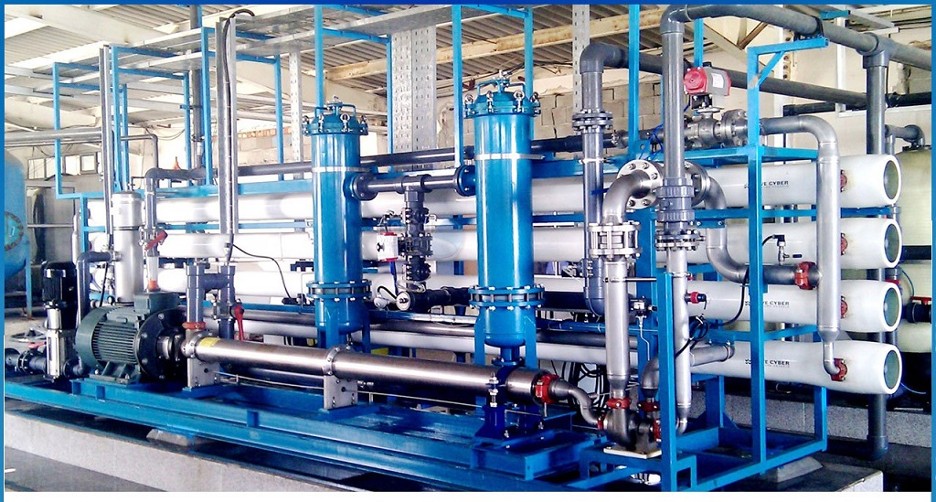
As the world grapples with the mounting challenges of environmental sustainability and water scarcity, innovative solutions are required to address these pressing issues. One such solution that holds great promise is the industrial reverse osmosis (RO) system. Industrial reverse osmosis systems have proven to be a game-changer in the realm of environmental conservation, water purification, and resource efficiency.

In this article, we will explore how industrial reverse osmosis systems are good for the environment and contribute to a greener, more sustainable future.

1. Water Conservation

One of the most significant environmental benefits of the industrial reverse osmosis system is water conservation. These systems are highly efficient at purifying water, removing impurities, contaminants, and salt from brackish or saline sources. In various industrial processes, water often becomes contaminated or unfit for use, and without proper treatment, it can lead to environmental pollution.

Industrial reverse osmosis systems, through their advanced filtration processes, enable the recycling and reusing of wastewater. By doing so, they significantly reduce the demand for freshwater sources, mitigating the stress on local ecosystems and natural water bodies. This practice not only conserves water but also protects aquatic life and maintains the delicate balance of aquatic ecosystems.

2. Reduction of Harmful Discharge

Industries often discharge wastewater into rivers and oceans without proper treatment, leading to pollution and ecological damage. Industrial reverse osmosis systems are equipped to treat wastewater to a high standard, ensuring that harmful pollutants and contaminants are removed before any discharge. This reduces the environmental footprint of industrial operations and contributes to cleaner water bodies.

By reducing the pollution of aquatic environments, industrial reverse osmosis systems help protect aquatic flora and fauna and prevent waterborne diseases, ultimately promoting a healthier and more sustainable environment.

3. Lower Energy Consumption

The energy efficiency of industrial reverse osmosis systems plays a crucial role in their environmental benefits. Compared to conventional water treatment methods, such as distillation, reverse osmosis consumes less energy. It is driven by hydraulic pressure, and advancements in technology have made these systems more energy-efficient over time. This reduction in energy consumption results in a smaller carbon footprint, contributing to lower greenhouse gas emissions.

Moreover, the use of renewable energy sources to power reverse osmosis systems can make them even more environmentally friendly. When powered by solar, wind, or other clean energy sources, the environmental impact of these systems is further reduced, making them a sustainable choice for water treatment.

4. Reduced Chemical Usage

Traditional water treatment systems often rely on the use of various chemicals to purify water. These chemicals, such as chlorine and coagulants, can be harmful to the environment when not properly managed. The use of industrial reverse osmosis systems minimizes the need for these chemicals, as the RO process primarily relies on physical filtration and separation.

The reduction in chemical usage not only lessens the environmental impact but also lowers the risk of chemical spills and contamination. As a result, ecosystems remain healthier, and the quality of water in nearby natural bodies is preserved.

5. Sustainable Resource Management

Industrial reverse osmosis systems offer a sustainable approach to resource management. By recycling and purifying water within industrial processes, these systems reduce the demand for freshwater resources, which is crucial in water-scarce regions. They help protect local aquifers and ensure a steady supply of clean water for communities and ecosystems.

Additionally, the recovery of valuable minerals and materials from the brine generated during the reverse osmosis process can be an eco-friendly and economically beneficial aspect of these systems. This reduces waste and further promotes resource conservation.

6. Adaptability and Scalability

Industrial reverse osmosis systems are adaptable and scalable, making them suitable for a wide range of industries and applications. Whether it’s treating water for agriculture, manufacturing, food and beverage production, or any other industrial process, these systems can be customized to meet specific needs. Their versatility means that they can be integrated into existing infrastructure, reducing the need for new construction and minimizing the environmental disruption associated with large-scale projects.

Conclusion

As the world faces mounting challenges related to water scarcity and environmental pollution, industrial reverse osmosis systems offer a practical and eco-friendly solution for industries and communities alike. With continuous advancements in technology, these systems are expected to play an increasingly vital role in safeguarding our planet’s most precious resource: water.

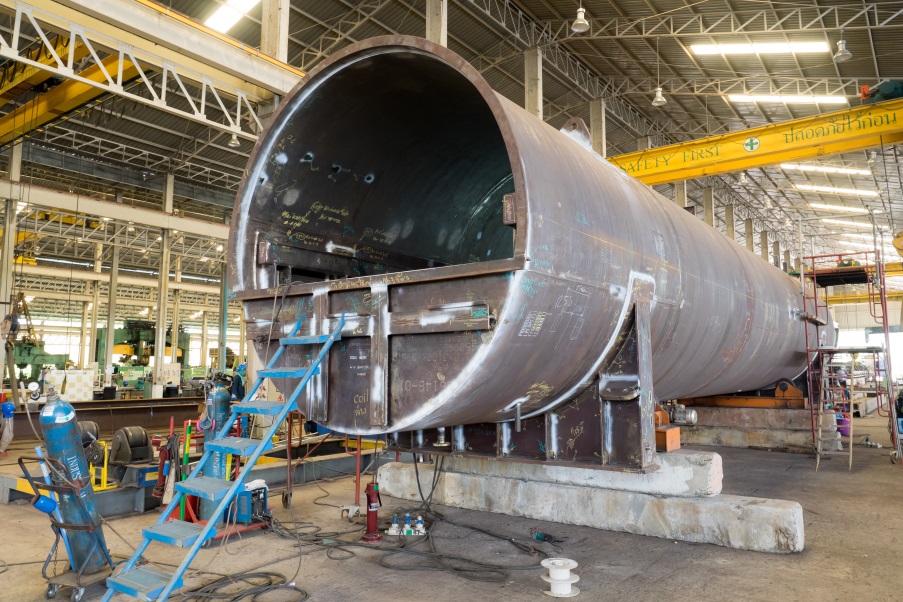
Pressure vessels are ubiquitous in our daily lives, from the propane tanks we use for our barbecues to the boilers that heat our homes. They are also critical components in a variety of industries, including oil and gas, chemical processing, and power generation. But what exactly are pressure vessels and how do they work? This blog post will delve into the fascinating world of the pressure vessel fabrication process, and how fabricators like ProProcess Fabrication, an ISO 3834 certified company, play a crucial role in their production.

What are Pressure Vessels?

Pressure vessels are containers designed to hold gases or liquids at a pressure substantially different from the ambient pressure. They have a variety of shapes such as spheres, cylinders or cones and are typically made from steel or composite materials. The design and manufacture of these vessels must adhere to strict regulations and standards due to the potential risks associated with their operation.

The Working Principle of Pressure Vessels

Pressure vessels work on a simple principle: they contain and control pressure differentials. If you’ve ever pumped air into a bicycle tire or used a pressure cooker, you’ve seen this principle in action. When gas or liquid is pumped into a vessel, it becomes pressurized. This means there’s more substance packed into the space inside the vessel than there would be under normal atmospheric conditions.

The walls of the pressure vessel provide the necessary containment to withstand this internal pressure. If designed correctly, these walls distribute the force exerted by the contained substance evenly throughout its structure. This allows it to safely contain high-pressure substances without rupturing.

Fabrication Process of Pressure Vessels

The fabrication process for pressure vessels involves several steps that must be executed with precision to ensure safety and efficiency. The first step is designing the vessel according to its intended use and applicable regulations. This includes selecting suitable materials and determining appropriate wall thicknesses.

Next comes cutting and shaping these materials into parts that will form the body of the vessel. These parts are then assembled using welding techniques that ensure strong bonds capable of withstanding high pressures.

Once assembled, each vessel undergoes rigorous testing to verify its integrity under operating conditions before it is finally painted or coated for corrosion resistance.

Role of Fabricators like ProProcess Fabrication

Fabricators like ProProcess Fabrication play an essential role in creating safe and efficient pressure vessels. As an ISO 3834 certified company, ProProcess Fabrication adheres to stringent quality requirements throughout their fabrication process.

This certification ensures that all welding processes used by ProProcess Fabrication meet international standards for quality assurance in fusion welding of metallic materials – a critical aspect in producing reliable pressure vessels.

ProProcess Fabrication’s team has extensive experience in designing and manufacturing custom-made pressure vessels for various industries – ensuring optimal performance under specific operating conditions while adhering strictly to safety standards.

Conclusion

Understanding how pressure vessels work provides insight into their importance across various industries – from domestic uses like heating water to industrial applications such as storing gases under high pressures. The fabrication process requires expertise not only in design but also material selection, assembly techniques, testing procedures – all areas where fabricators like ProProcess Fabrication excel due to their ISO 3834 certification.

In essence, every time we benefit from hot water at home or fuel up our cars at gas stations – we have well-designed and fabricated pressure vessels working behind-the-scenes – making our lives easier while keeping us safe.

Mushrooms are one of the most fascinating and mysterious organisms in nature. They grow in various habitats, including on trees. While many people associate mushrooms with damp and dark environments, there are several types of mushrooms that grow on trees and play an important role in the ecosystem. 

In this article, we’ll explore some of the most fascinating types of tree-growing mushrooms and their unique characteristics.

The Beauty of Shelf Mushrooms

Shelf mushrooms, also known as bracket fungi, are a type of polypore mushrooms that grow on dead or dying trees. They are called shelf mushrooms because they grow in shelves, and they often resemble a series of overlapping plates or fans. Shelf mushrooms come in a variety of colors and shapes, and they can range in size from small to large. Some species of shelf mushrooms are edible, while others are poisonous.

One of the most well-known species of shelf mushrooms is the artist’s conk, also known as ganoderma applanatum. This species of mushroom is prized for its beautiful and unique patterns, which can range from light to dark brown and have a velvety texture. Artist’s conk is also known for its medicinal properties, as it has been used for centuries to treat various ailments.

The Charm of Jelly Mushrooms

Jelly mushrooms, also known as jelly fungi, are a type of cup fungi that grow on dead or decaying wood. They are called jelly mushrooms because of their gelatinous texture, which is due to the presence of excess water in the fruiting body. Jelly mushrooms come in a variety of colors, including yellow, orange, red, and purple.

One of the most interesting species of jelly mushrooms is the witch’s butter, also known as tremella mesenterica. This species of mushroom is prized for its bright yellow color and unique jelly-like texture. Witch’s butter is also known for its medicinal properties, as it has been used in traditional Chinese medicine for centuries to boost immunity and improve skin health.

The Wonder of Puffball Mushrooms

Puffball mushrooms are a type of gasteromycetes that grow on the ground or on dead or decaying wood. They are called puffball mushrooms because of their round shape and tendency to release clouds of spores when they mature. Puffball mushrooms come in a variety of colors, including white, yellow, and brown.

One of the most well-known species of puffball mushrooms is the giant puffball, also known as calvatia gigantea. This species of mushroom is prized for its large size and meaty texture, and it is often used as a substitute for meat in vegetarian dishes. Giant puffball is also known for its medicinal properties, as it has been used to treat various ailments and boost immunity.

Mushrooms are an incredibly diverse and fascinating group of organisms, and there are many types of mushrooms that grow on trees. From the beauty of shelf mushrooms to the charm of jelly mushrooms and the wonder of puffball mushrooms, there is something for everyone when it comes to tree-growing mushrooms. Whether you are a seasoned mushroom hunter or just starting to explore the world of fungi, be sure to take the time to appreciate the unique and wonderful characteristics of these amazing organisms.

Publisher’s Details

Green Leaf Zone
208 W 59th St, Los Angeles, CA 90003
(866) 696-2762
greenleafzone.com

Speaking of maintaining safety and the well-being of our environment, Green Leaf Zone offers top-quality tree services in Inglewood, CA to keep your trees healthy and reduce potential fire risks. While we often admire the beauty of nature, it’s essential to be aware of the potential dangers it can present. One such danger is wildfires, which can have devastating effects on the environment and communities. In fact, our recent blog post on Green Leaf Zone outlines “The Three Most Common Causes of Wildfires” to help you stay informed and take precautions.

Elk hunting is not just a thrilling outdoor activity; it’s also a sustainable approach to sourcing high-quality, nutritious wild game meat. With a deep-rooted connection to nature and a focus on conservation, elk hunting provides an opportunity to engage in ethical hunting practices while supporting the principles of sustainable food sourcing.

In this blog post, we will explore the benefits of elk hunting, the importance of conservation, and the advancements in thermal hunting technology that have revolutionized the hunting experience.

The Significance of Elk Hunting

Elk hunting holds a special place in the hearts of hunters and outdoor enthusiasts. Elk, majestic creatures known for their impressive antlers and robust physique, inhabit diverse ecosystems across North America. Hunting elk not only offers a thrilling adventure but also provides an opportunity to engage in sustainable hunting practices.


Conservation and Wildlife Management

Conservation plays a vital role in elk hunting. Through responsible hunting practices, wildlife management agencies ensure the preservation of elk populations and their habitats. Strict regulations, such as bag limits and hunting seasons, help maintain sustainable population levels, prevent overhunting, and protect the delicate balance of ecosystems.

Benefits of Sourcing Wild Game Meat

Sourcing wild game meat through elk hunting offers several benefits. First and foremost, wild game meat is a lean, nutritious protein source that is free from hormones and antibiotics commonly found in commercially raised livestock. Elk meat is rich in essential nutrients, including protein, iron, and omega-3 fatty acids, making it an excellent choice for health-conscious individuals.

Furthermore, harvesting wild game meat contributes to food security and self-reliance. By hunting elk with best Elk hunting gear and responsibly utilizing the meat, hunters can reduce their reliance on industrial agriculture and support a more sustainable and localized food system.

Thermal Hunting Technology: Enhancing the Hunting Experience

Advancements in hunting technology, particularly thermal hunting technology, have revolutionized the hunting experience. Thermal scopes and imaging devices have become invaluable tools for hunters, enabling them to detect and track game animals more effectively, especially during low-light conditions. This technology enhances both safety and accuracy, ensuring a more efficient and humane hunting process.

Ethical Hunting Practices

Ethical hunting practices are at the core of elk hunting. Hunters are committed to harvesting animals humanely, minimizing suffering, and utilizing all parts of the animal. The respect for the animal and its environment is paramount, with ethical hunters adhering to principles of fair chase, responsible shot placement, and effective field dressing techniques.

Final Thoughts

Elk hunting offers a sustainable approach to sourcing wild game meat while fostering a deep appreciation for nature and wildlife conservation. By engaging in ethical hunting practices and embracing advancements in hunting technology, hunters can enjoy thrilling experiences while promoting the principles of sustainability and self-reliance.

As society becomes more conscious of the origin and quality of the food we consume, elk hunting stands out as a responsible and rewarding way to connect with nature, support local ecosystems, and nourish ourselves with nutritious, ethically sourced wild game meat.

So, if you’re seeking an adventure that combines the thrill of the hunt with a commitment to sustainability, consider elk hunting. Immerse yourself in the great outdoors, learn about wildlife conservation, and savor the rewards of sourcing your own wild game meat.

Numerical modeling is a widely applied technique to simulate geological scenarios. It helps in studying rock mechanics, the thermal history of rocks, tectonic plate movements, and the Earth’s mantle. However, it is challenging to make numerical models considering all the factors affecting a system. This is because complex systems are impossible to model using a single set of equations.

Improved Decision-Making

Numerical modeling can be a powerful tool in helping decision-makers to understand and mitigate risk. It allows them to forecast the effects of specific decisions on a system at a fraction of the time and expense it would take to develop a physical model. For example, the simulation of a dam’s potential failure during a flood can be used to assess whether it is likely to breach before it does. This can save dam owners time and money while ensuring they meet regulatory requirements. However, it is essential to note that predicting the future accurately is challenging due to the complexities and conceptualization errors present in a typical physical problem. To improve this process, we have developed a workflow incorporating uncertainty quantification early before undertaking history matching. This enables modeling teams to make more informed model design and deployment decisions that will improve their models’ performance.

Reduced Errors

Engineers and scientists use numerical modeling to solve various engineering problems and check slope stability. They may be exploring new conditions or trying to validate the design of a system. A numerical model generally breaks down a problem into a discrete number of easily calculated values using robust assumptions, which are then solved by a computer. Methods include the Taylor series, Newton’s strategy, and function convergence or divergence. Errors in modeling can arise from several sources, including rounding errors and data uncertainty. This is why it is essential to minimize these errors when performing a numerical model. This allows engineers to solve many equations quickly and accurately, which is especially useful for solving initial value or long-term forecasting problems.

Reduced Costs

Whether for engineering analysis, a product, or a process, numerical modeling can help reduce costs in the long run. It can provide information that would otherwise require expensive experiments, and often, this is the only way to gain the necessary knowledge. The first step is to determine the objective of the modeling process and develop a scope that aligns with it. This first step helps ensure the project is on track and meets all stakeholder expectations. Another critical step is to create a calibrated numerical model that can be used for prediction and verification purposes. This can be done using machine learning techniques.

Increased Efficiency

Engineering has long relied on theory and experiments to obtain needed information, but the rise of computer technology has made it possible to create engaging tools to analyze problems. Numerical modeling adds another approach to the mix that can provide information not possible through other methods. There are two basic approaches to mathematical modeling. The first involves a physical model based on the fundamental physics of the system. When a model is constructed, it must be able to represent the physics of the system at the level of detail that is required by the problem. For example, this can include network flow models or heat exchanger heat transfer correlations. The second approach is a numerical model requiring high-powered computers to solve complex mathematical equations. This can consist of various formulations, but the key is finding an algorithm that will provide a reliable approximation of the exact solution.