
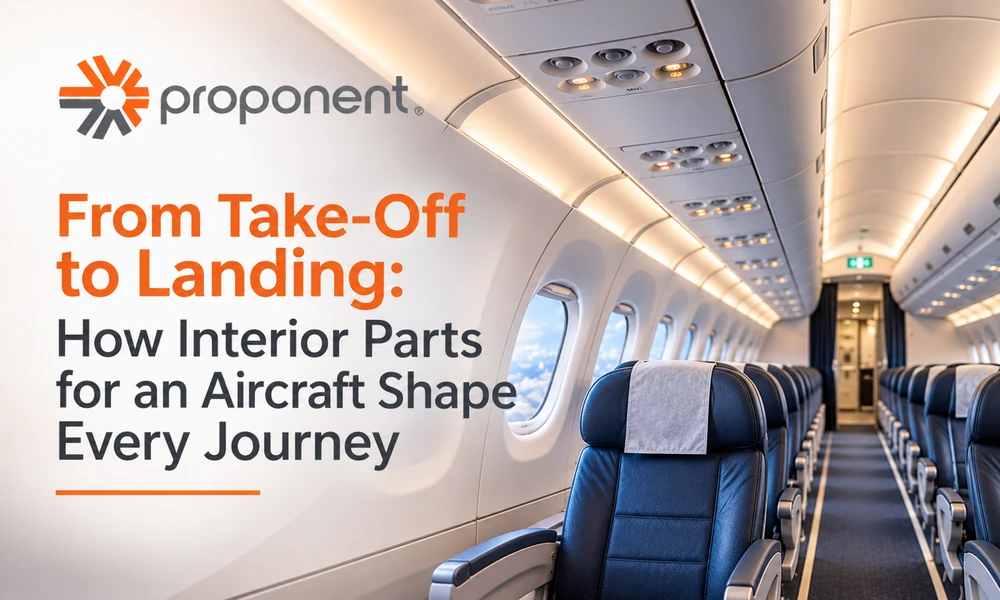
A smooth ride for passengers does not depend on only the engines and the pilot’s skills. The cabin of the airplane is also important for the passenger’s comfort, the crew’s productivity, and the safety of everyone on board. As soon as the passengers step onto the plane, they are interacting with the aircraft interior parts which will help them have a better and more enjoyable experience.
Although these items appear minor, each contributes to the total flight experience.
Before Boarding: Preparing the Cabin
Passengers will be made to feel at home by a clean, organized cabin. The ground crew and maintenance team have multiple things that they do prior to each flight.
Seats need to be securely attached. Seat belts need to be functional. Overhead storage compartments must easily open and close. Cabin floor panels and fittings must not have any damage.
These tests will make certain that all aircraft interior parts have been prepared for each day of flight. Additionally, these tests can provide early warning to the flight crew regarding potential wear and tear which could lead to more serious issues.
During the Flight: Comfort Meets Function
Once people get comfortable in the airplane, the things inside the airplane are going to be a big part of what they do every day.
Seating That Supports Passengers
The seating should provide support for the entire duration of the flight, regardless of whether it is a short or a long one. Adjustable features (headrests, armrests, seat belts) will improve the passenger’s experience in terms of both comfort and safety.
Storage That Keeps the Cabin Clear
The overhead bins offer space to store your carry-on items. The secure latches on these bins will help ensure that your luggage remains in its designated area throughout the duration of your flight. In addition to being able to hold your carry-on luggage securely, well-designed overhead bins can also assist you with getting on and off of the airplane more easily.
Lighting That Sets the Mood
The light in the cabin allows people on the plane to read, relax and navigate safely. In addition to supporting various parts of a trip (e.g., when you board your aircraft and during an overnight flight), modern lighting systems allow for flexibility in the type of light provided throughout the day.
Surfaces Built for Daily Use
Wall panels, floor, and tray tables are continuously being touched. Therefore, the use of durable material is helpful to protect them against scratches, stains, and daily cleaning.
The Maintenance Challenge: Keeping Every Part Ready
Airlines want to use aircraft interior parts multiple times without adding a lot of weight. They also want to be able to easily examine and swap out parts of the interior when needed.
When you select the aircraft interior parts, your maintenance teams need to concentrate on:
- Compatibility with the aircraft model plus cabin layout.
- Approved materials as well as required safety documents.
- Resistance to wear and frequent cleaning.
- Reliable supply with clear part traceability.
Repair time can get reduced with the right choice and also it helps keep aircraft in service.
Small Components, Lasting Value
How comfortable your seat is, how much space you have to store your bags and other items, and how clean the surfaces are around you affect your overall experience on an airline. These elements help determine whether or not you will find your flight enjoyable.
The reliability of aircraft interior parts allows airlines to achieve high levels of service and safety in their flight operations. When all parts are functioning properly, the whole aircraft will be able to operate better.
