
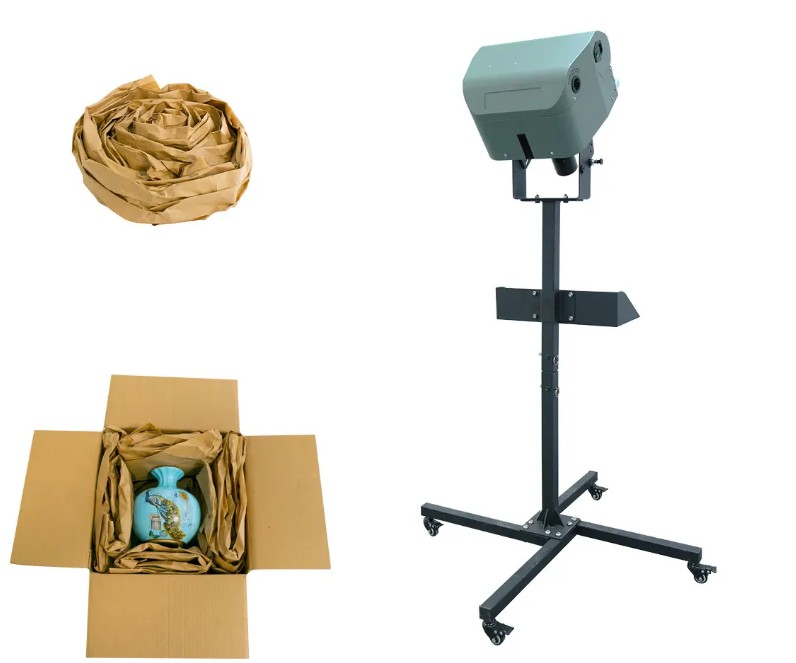
Cardboard used to arrive at warehouses as plain sheets, destined to become boxes or filler. Today, that same material is quietly transforming the way businesses pack and ship products. A Paper cushion machine sits beside packing tables in warehouses around the world, turning simple paper rolls into protective cushioning in seconds. What used to be piles of plastic bubble wrap or foam peanuts is now replaced with structured paper padding. Companies searching for smarter packaging solutions are discovering that a Paper cushion machine doesn’t just protect items during shipping-it also plays a key role in reducing packaging waste and improving operational efficiency.
Shipping damage and excessive packaging waste have long been major concerns for e-commerce retailers, manufacturers, and logistics providers. A Paper cushion machine offers a surprisingly simple answer to both problems. Instead of relying on pre-formed packaging materials that take up storage space and generate unnecessary waste, businesses can produce cushioning material exactly when it’s needed. This shift toward on-demand packaging changes the entire workflow of a packing station. Workers feed paper into a Paper cushion machine, and the machine converts it into durable, crumpled paper pads designed to absorb shocks during transportation.
Smarter Packaging with Paper Cushion Systems
Packaging operations used to revolve around stocking large volumes of plastic fillers. Warehouses often stored huge bags of air pillows or foam materials that consumed valuable floor space. A Paper cushion machine introduces a more efficient approach by generating packaging material directly at the workstation. Instead of storing bulky supplies, businesses simply keep paper rolls that feed into the Paper cushion machine, dramatically reducing storage requirements.
Another advantage of the Paper cushion machine lies in the customization of cushioning. Every product has different protection requirements, and standardized packaging materials often fail to provide the right balance between protection and efficiency. With a Paper cushion machine, packers can create different lengths and densities of cushioning paper depending on the fragility and shape of the product. This flexibility improves protection while minimizing unnecessary material usage.
Speed also plays an important role in modern fulfillment centers. A Paper cushion machine is designed for continuous operation, allowing packers to quickly produce protective padding without interrupting the workflow. As e-commerce continues to accelerate, the ability of a Paper cushion machine to support high-volume packing lines becomes increasingly valuable.
How Paper Cushion Machines Reduce Packaging Waste
Environmental awareness is reshaping packaging decisions across many industries. Businesses are under pressure from customers, regulators, and sustainability goals to reduce plastic usage. A Paper cushion machine helps address this challenge by replacing plastic fillers with recyclable paper cushioning.
Traditional packaging materials such as foam peanuts or plastic air pillows are rarely reused and often end up in landfills. By contrast, cushioning produced by a Paper cushion machine is typically made from recyclable kraft paper. After delivery, customers can simply place the paper material into recycling streams. This simple change significantly reduces the environmental footprint of shipping operations.
Another factor contributing to waste reduction is precision. A Paper cushion machine generates only the amount of cushioning required for each package. Instead of overfilling boxes with excess materials, packers produce just enough padding to secure the item. Over time, this efficiency results in lower material consumption and less waste overall.
Even the logistics side benefits from this shift. Paper rolls used by a Paper cushion machine are compact and easier to transport compared to bulky plastic packaging supplies. Fewer shipments of packaging materials mean lower transportation emissions and reduced operational costs.
Protecting Products During Shipping
Product damage during transit remains one of the most expensive problems in shipping operations. Returns, replacements, and customer dissatisfaction can quickly erode profits. A Paper cushion machine addresses this issue by creating cushioning structures specifically designed to absorb shocks and vibrations.
Unlike loose fillers that shift during transportation, paper cushions produced by a Paper cushion machine can be shaped to hold items firmly in place. The paper pads form protective barriers around products, preventing movement inside the box. This stabilization is particularly valuable for fragile items such as electronics, glassware, cosmetics, and specialty goods.
Durability also matters. High-quality paper padding produced by a Paper cushion machine has impressive compression strength. Even after long shipping journeys involving multiple handling points, the cushioning maintains its protective properties. This resilience significantly reduces the risk of damage.
Many fulfillment centers report measurable improvements in shipping performance after introducing a Paper cushion machine. Lower return rates and fewer damaged goods translate directly into improved customer satisfaction and reduced operational costs.
Improving Warehouse Efficiency
Efficiency inside packing stations often determines how quickly orders can be processed. A Paper cushion machine streamlines packaging operations by eliminating several traditional steps in the packing workflow. Workers no longer need to search for the right packaging material or struggle with oversized plastic fillers. Instead, the Paper cushion machine produces cushioning instantly at the point of use.
Modern packaging machines are also designed with ergonomic considerations in mind. A Paper cushion machine typically includes foot pedals, programmable cutting lengths, and adjustable speeds. These features allow workers to operate the equipment easily while maintaining a consistent packing rhythm.
Training requirements are minimal as well. Once installed, a Paper cushion machine becomes a straightforward part of the packaging process. Workers quickly learn to feed paper rolls, adjust settings, and produce protective padding. The simplicity of the system contributes to faster onboarding and smoother daily operations.
Over time, the efficiency gains from using a Paper cushion machine accumulate across thousands of shipments. Faster packing speeds, reduced material handling, and improved workflow organization can significantly boost overall warehouse productivity.
Cost Savings Through On-Demand Packaging
Packaging expenses often account for a large portion of shipping costs. While traditional packaging materials may appear inexpensive individually, their cumulative cost can become substantial. A Paper cushion machine helps businesses manage these costs more effectively.
Because cushioning is produced on demand, companies can optimize material usage. A Paper cushion machine ensures that packaging material is used only when necessary, preventing waste caused by excessive filler. This precision alone can generate noticeable savings over time.
Storage costs also decrease. Paper rolls used in a Paper cushion machine occupy far less space than bulky plastic fillers. Reduced storage requirements allow warehouses to allocate more space to inventory or operational activities, increasing the overall efficiency of the facility.
Another often overlooked advantage is supply chain simplification. With a Paper cushion machine, businesses rely primarily on paper rolls rather than multiple types of packaging materials. Fewer suppliers, fewer inventory items, and simplified procurement processes contribute to smoother operations and lower administrative overhead.
The Growing Role of Sustainable Packaging Technology
Consumer expectations continue to evolve, especially in the age of e-commerce. Buyers increasingly prefer brands that demonstrate environmental responsibility. A Paper cushion machine helps companies align with these expectations by offering a packaging solution that is both protective and eco-friendly.
Sustainable packaging technologies are no longer optional for many businesses. Retailers, logistics providers, and manufacturers are integrating tools like the Paper cushion machine into their sustainability strategies. By reducing plastic waste and promoting recyclable materials, companies can strengthen their brand image while meeting environmental goals.
Innovation in packaging equipment is also advancing rapidly. Modern versions of the Paper cushion machine feature improved speed, energy efficiency, and digital controls. Some systems integrate with automated packing lines, further enhancing productivity in high-volume fulfillment centers.
As shipping volumes continue to rise globally, the importance of efficient and sustainable packaging will only grow. A Paper cushion machine represents a practical step toward that future, helping businesses protect products, reduce waste, and streamline operations at the same time.
Packaging once revolved around convenience alone. Today it balances protection, efficiency, and environmental responsibility. The Paper cushion machine sits at the intersection of these priorities, quietly reshaping the way goods move through supply chains. For businesses seeking smarter packaging strategies, adopting a Paper cushion machine is less about replacing one filler material with another and more about rethinking the entire packing process.

Comments are closed.