
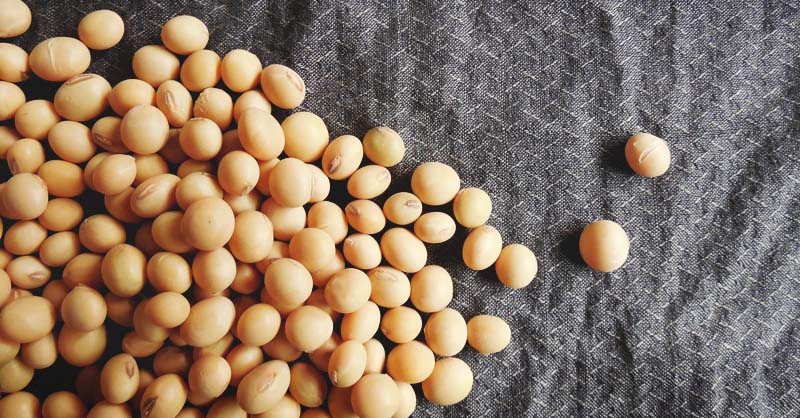
Soybeans are versatile and nutritious legumes that can be a rewarding crop to grow in your home garden. There are two main types of soybeans: grain varieties and edamame varieties. Grain varieties are typically harvested when the pods are dry and brown, while edamame varieties are harvested when the pods are still green and the beans are tender. Some popular soybean varieties for home gardens include:
- Butterbeans
- Envy
- Midori Giant
- Tohya
Research which varieties perform well in your area and consider factors such as disease resistance and maturity time when making your selection.
Planting soybeans
Timing is crucial when planting soybeans. Wait until the soil temperature reaches at least 60°F (15.5°C) and all danger of frost has passed. Here are some planting guidelines:
- Sow seeds 1-2 inches deep
- Space seeds 2-4 inches apart in rows
- Leave 24-30 inches between rows
- Plant in full sun for optimal growth
Just ensure they receive adequate sunlight and have enough room to grow.
Caring for your soybean plants
- Watering – Soybeans require consistent moisture throughout their growing season. Water deeply and regularly, providing about 1 inch of water per week. Be careful not to overwater, as soggy soil can lead to root rot and other issues.
- Fertilizing – Soybeans are nitrogen-fixing plants, which means they can convert atmospheric nitrogen into a form usable by plants. As a result, they generally don’t require heavy fertilization. However, a light application of balanced, all-purpose fertilizer at planting time can give your plants a good start.
- Weed control – Keep the area around your soybean plants free of weeds, which compete for nutrients and water. Mulching can help suppress weed growth and retain soil moisture.
Harvesting soybeans
The timing of your soybean harvest depends on whether you’re growing them for fresh consumption (edamame) or dry beans. For edamame, harvest when the pods are bright green and plump, typically 45-60 days after flowering. The beans should be fully developed but still tender. For dry soybeans, wait until the pods have turned brown and the leaves have yellowed and fallen off. This usually occurs 100-150 days after planting, depending on the variety. To check if they’re ready, have a peek here at a few pods – the beans inside should be dry and hard.
To harvest, simply pull the entire plant from the ground and hang it upside down in a dry,well-ventilated area to complete the drying process. Once fully dry, remove the beans from the pods by hand or by gently threshing.
Storing and using your homegrown soybeans
Fresh edamame can be stored in the refrigerator for up to a week or blanched and frozen for longer-term storage. Dry soybeans can be stored in an airtight container in a cool, dry place for up to a year. Your homegrown soybeans can be used in a variety of delicious and nutritious ways:
- Boil fresh edamame pods in salted water for a healthy snack
- Use dry soybeans to make homemade tofu or soymilk
- Incorporate cooked soybeans into salads, soups, and stir-fries
- Roast dry soybeans for a crunchy, protein-rich snack
Growing soybeans at home can be a rewarding experience that provides you with a versatile and nutritious crop. With proper care and attention, you’ll be enjoying the fruits of your labor in no time. Remember to have a peek here at your plants regularly, monitoring their progress and addressing any issues promptly. Happy gardening!

Comments are closed.